Aarons Beard Plant: Easy Care Tips for a Thriving Garden
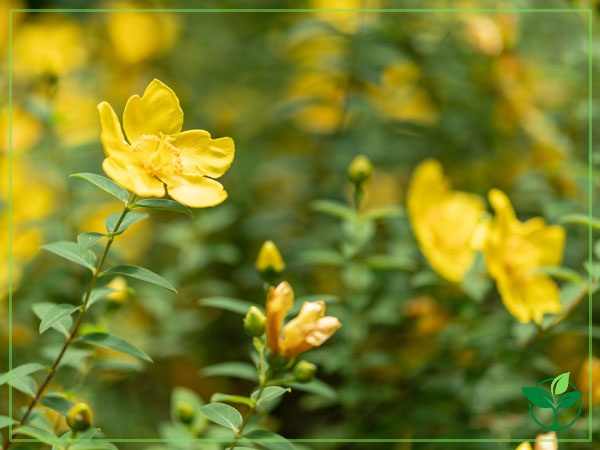
Aaron’s Beard (Cymbalaria muralis) might not be the flashiest plant you’ll find, but don’t let its modest size fool you—it’s a sneaky little survivor that can turn tough spots in your garden into lush green corners. I used to treat it like filler, just something to fill gaps between the showier plants. Then, after a few seasons of trial and error, I realized it’s actually a bit of a rebel among ground covers—and that’s exactly why it deserves another look.

What is Aaron’s Beard really? (And why most ID tips only scratch the surface)
Sure, most folks spot Aaron’s Beard by its small ivy-like leaves (2–3 cm wide) and those delicate lavender flowers shaped like tiny snapdragons. But what they often miss is why it thrives: this plant loves clinging to walls, sneaking into cracks, and surviving spots where just about nothing else dares grow.
I planted mine along a crumbling brick wall one early spring. I thought it’d stay neat and quiet. Nope. Within three weeks, it was weaving through every crack like a determined little ninja. It’s not showy—the flowers pop up here and there from March all the way to November in my zone 7 garden—but it quietly takes over hard-to-grow places.
Here’s the kicker: Aaron’s Beard loves spots other plants avoid—think dry stone walls baking in morning sun but shaded later, or ledges with almost no soil at all. If your garden is all about perfect beds and uniform soil, this plant will test your patience. But if you’re okay with imperfection—if you want something that acts like “green glue” holding tricky spaces together—this guy’s gold.
Growing Aaron’s Beard: why ignoring “standard advice” helped me
Almost every guide says “partial shade” and “well-drained soil,” which is true but also kinda vague. The real secret? Let it struggle a little.
I learned this the hard way. I planted some in rich, compost-heavy soil under thick trees—thinking moist soil would help—and boom, after two weeks of ballooning growth, the whole patch collapsed with root rot symptoms. I kept watering because I thought moist was good… nope. Too much water kills it fast.
Then I gave up on another spot: a rocky slope with shallow gritty soil getting sun till midday only. Took about 10 days for roots to settle down, then it took off wildly without fertilizer or fussing.
The lesson? Over-caring can kill Aaron's Beard faster than neglect. It thrives best in leaner, drier soils—even if it looks a bit sad right after planting.
Watering myths busted: less really is more
Everyone says “keep soil moist.” Honestly? I drowned mine twice before figuring out less watering works best.
In pots during heatwaves, every two days works fine—anything more invites powdery mildew fast. In the ground, water only when there’s been no rain for over two weeks.
Yellow leaves or mushy stems at the base? Classic signs of too much water—I saw this after just five days of daily watering one late summer.
Pruning tricks: don’t just tidy; prune for power
Deadheading and trimming are standard advice—but here’s where I went further: prune aggressively and regularly.
I helped transform a small office garden last year where we pruned every three weeks (not monthly). The beard thickened into an almost moss-like carpet instead of thinning out into bare patches.
Bonus tip: cut trailing stems back by half right after flowering peaks (usually late May). By July, fresh shoots explode everywhere—like magic.

Pests: don’t freak out over aphids
Sure, aphids and slugs show up—but sometimes leaving aphids alone for a week isn’t bad at all.
Spraying them off with water gives short-term relief but also washes away ladybugs and other beneficial bugs that keep aphid numbers in check naturally. Instead, I encourage ladybugs by planting herbs like dill nearby and only handpick slugs early in the morning—it works better than chemicals and keeps your garden healthy.
Winter survival: protect or forget?
Most sources say hardy down to USDA zone 6—but when my zone plunged below -12°C (10°F) last winter, almost all foliage vanished even under mulch.
What saved mine? Growing Aaron's Beard in heavy terracotta pots wrapped with straw mulch around roots—and moving those pots inside my garage when freezing temps lasted more than a week.
If you leave it exposed expecting spring revival—it might come slow or patchy at best.
Why Aaron’s Beard beats fancy ground covers
There are plenty of lush ground covers out there—but few do what Aaron's Beard does:
- Erosion control: Its roots twist deep into cracks on slopes holding soil tight.
- Pollinator-friendly: Bees love its modest flowers; my garden buzzes noticeably in early summer.
- Low maintenance: After about 3 months settling in, it pretty much takes care of itself unless there’s drought stress.
At my old place, planting it on a steep neglected stone embankment (about 30 meters long) turned that barren face green within two seasons—with zero fertilizer or extra watering needed beyond establishment.
Propagation secrets nobody warns you about
Seeds can work but are tricky—they need light to germinate plus cold stratification indoors if sown too early—and take weeks.
Stem cuttings are my go-to:
- Snip healthy shoots about 5 cm long in late spring.
- Stick them shallowly into moist potting mix (I use John Innes No.2).
- Cover loosely with plastic wrap to keep humidity.
- Keep them shaded until roots appear (~14 days).
- Transplant once roots are strong—usually after 4 weeks.
This method saved me when seeds failed repeatedly during cool springs.
Ready to start? Here’s your quick-start plan for month one
- Choose spots near stone walls or rocky slopes—not open sunny beds.
- If soil is heavy clay or rich loam, mix in grit or coarse sand for drainage.
- Plant no closer than 25 cm apart to give each room to spread.
- Water lightly every three days for first two weeks—then back off!
- Set pruning reminders every three weeks during growing season.
- Watch for yellow leaves—that means too much water.
- Be patient—the real magic happens after the first full growing season once roots dig deep.
Final thoughts from someone who learned the hard way
Aaron's Beard isn’t your typical pampered ground cover—it hates being babied and thrives on toughness instead of perfect conditions. When you stop trying to force neat borders or drown it because “ground covers need moisture,” you unlock its potential as an unshakable green companion that quietly softens even the harshest corners over time.
If I had one piece of advice for anyone planting Aaron's Beard tomorrow? Stop babying it so much early on; let it struggle just enough to grow strong. Your walls will thank you for years—and honestly, watching this scrappy plant conquer impossible spaces might be one of the most satisfying gardening wins you have all season.
Got questions or stories about your own Aaron’s Beard adventures? Drop a line—I’m always keen to swap tips or commiserate over stubborn plants! Gardening is better when shared.


