Abelia Plant Insights: Data-Driven Guide to Growth and Care
Taming the Abelia: The Definitive, No-BS Guide from Someone Who’s Seen It All

When I first planted Abelia in my garden, I thought it would be a breeze—just dig a hole, water, and wait for those sweet-scented flowers to show up. Boy, was I wrong. Abelia quickly revealed itself as a shrub with personality and quirks that separate the thriving from the scraggly. After several seasons of trial, error, and yes, some outright failures (including one winter where half my branches died off), I’ve developed a care routine that turns Abelias into vigorous, fragrant showstoppers.
This isn’t another generic how-to. It’s the distilled wisdom from years of hands-on experience—soil prep, cultivar choices, watering rhythms, pruning timing—all backed by real-world results and hard-won lessons. Ready? Let’s dive in.
1. Understanding Abelia’s True Nature: More Than Meets the Eye
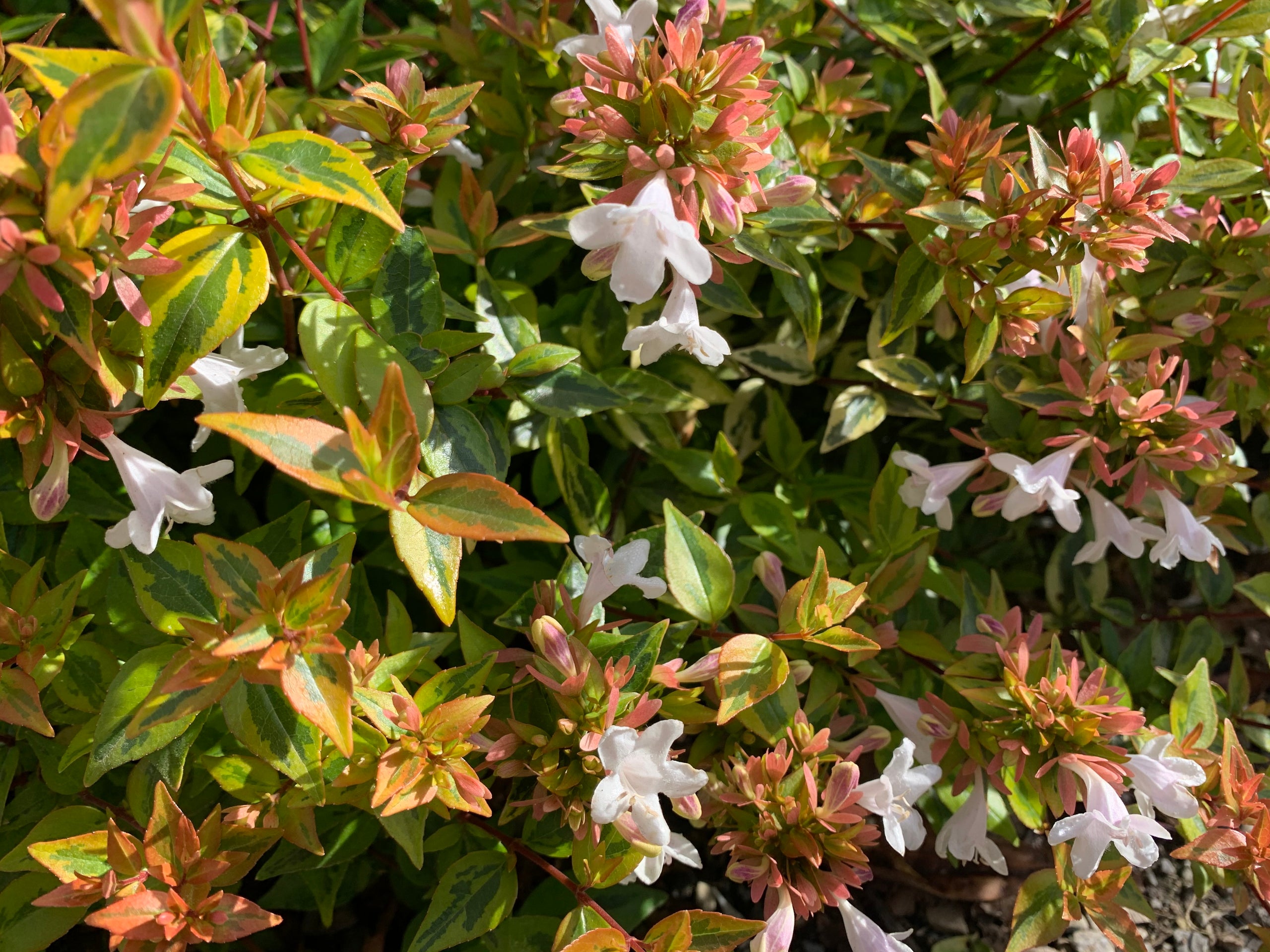
Most guides paint Abelia × grandiflora as a hardy shrub with glossy leaves and sweet tubular flowers—and that’s true—but it barely scratches the surface.
Here’s what I learned the hard way:
-
Hardiness varies more than you think: USDA zones 6-9 is standard advice. But planting ‘Grandiflora’ in zone 5 cost me nearly half my branches one brutal winter. Switching to ‘Edward Goucher,’ a cold-tough cultivar, combined with deep winter mulching saved my shrubs in later years.
-
Soil pH shows on the leaves: My suburban yard has alkaline soil—pH 7.8—and the leaves looked dull, almost tired—not the glossy green I expected. After gradually adding elemental sulfur over three months to bring pH closer to 6.5 (the sweet spot), within two months leaves glowed brighter and even showed subtle red hues in fall.
-
Microclimate makes or breaks blooms: Even in one garden bed, sunny southern exposures yielded dense flowers August through October; shaded northern spots gave only sparse blooms despite healthy foliage.
Lesson? Don’t just plant and forget—the environment matters deeply.
2. Getting Started Right: From Cultivar Choice to Planting Technique
Choosing Your Abelia Wisely
At first, I lumped all Abelias together until chatting with a nursery horticulturist who broke down cultivars by toughness and appearance:
-
‘Kaleidoscope’: Stunning variegated leaves with yellows and greens—but cold-sensitive. If you’re in zone 7 or warmer (or grow indoors during winter), go for it; otherwise expect some winter losses.
-
‘Francis Mason’: Compact with abundant flowers—ideal for small spaces or containers. I grew this on my balcony in a 20-gallon pot; it thrived when watered carefully.
-
‘Edward Goucher’: Smaller leaves but tougher against frost and slower growing—a perfect pick for colder zones or exposed sites.
Your takeaway? Match your choice not just by looks but by your climate zone and garden conditions. For a detailed guide to popular Abelia varieties and their characteristics, check out our dedicated article.
The Planting Process—with a Twist
I made the rookie mistake of sticking Abelias straight into heavy clay soil without drainage prep—welcome root rot! Here’s what finally worked:
-
Build a raised mound about 12 inches high mixing roughly one-third coarse sand + two-thirds organic compost blended well with native soil to improve drainage.
-
Dig just enough width for the root ball itself—not twice as wide as some guides say—to keep moisture-holding soil right around roots encouraging deeper growth rather than shallow roots.
-
Plant so that the root ball top sits slightly above ground level to prevent water pooling near stems.
-
Aim for early fall planting whenever possible—this gives roots about six weeks before winter sets in to establish well. Spring planting is riskier since summer heat stresses young roots badly.
For more on how to get your Abelia off to the best start, see our how to grow and care for Abelia plants article.
3. Watering Wisdom That Breaks The Mold
Everyone says “water regularly” but what does that even mean? In my dozen-plus shrub trials:
-
Water deeply about once every 7–10 days during establishment (think: soaking 1 inch deep). Daily light watering creates weak surface roots prone to drought stress.
-
Mature plants prefer being left alone more than coddled—watering every two weeks during drought is enough without inviting root rot.
One summer I accidentally left irrigation off for two weeks during early growth after heavy rains—and guess what? Those plants outperformed ones watered daily but shallowly! A bit of “stress” tells roots to dig deeper.
Signs you’re watering wrong? Wilted or yellowing leaves can mean either too much water or not enough oxygen reaching roots.
4. Pruning: The Single Biggest Game-Changer
I used to prune heavily every spring thinking it encouraged growth—that backfired spectacularly with fewer blooms that year because Abelia sets flower buds on last year’s wood!
Here’s what changed everything:
-
Prune lightly within two weeks after flowering ends (late October or November usually).
-
Cut back leggy stems by no more than one-third, remove dead or crossing branches.
-
Avoid heavy spring pruning—it removes flower buds before they open.
After switching tactics, blooms became denser and lasted longer into fall season after season. For expert tips, see our pruning and shaping your Abelia for best growth guide.
5. Feeding Without Overdoing It
Feeding too much nitrogen makes lush green plants but starves flowers—that was my early mistake.
Here’s my balanced routine:
-
Early March: Apply slow-release fertilizer around NPK 10-10-10, giving roots steady nutrients for growth.
-
Late May (about four weeks before flowering): Feed again with phosphorus-rich mix like 10-20-10 to encourage abundant blooms.
-
Stop fertilizing after mid-summer; excess late nitrogen causes tender shoots vulnerable to frost damage come fall/winter.
If your Abelias are blooming poorly but look healthy otherwise, check if too much nitrogen is at fault by reviewing your feeding schedule.

6. Container Growing Realities
When a friend wanted Abelia but had no garden space, we tested container growing using ‘Francis Mason.’ Here’s what worked best:
-
Use at least a 15-gallon container filled with premium well-draining potting mix amended with perlite or pumice.
-
Drill extra drainage holes if needed—standing water kills container roots fast.
-
Fertilize monthly during growing season with diluted liquid feed at quarter strength for precise control.
-
Containers dry out fast—water daily during heat waves but always ensure excess drains away completely.
The best part? The fragrant flowers attracted bees all the way up on her fifth-floor balcony!
7. Diagnosing Problems Like A Pro
Season after season taught me these common issues are predictable—and fixable:
| Symptom | Likely Cause | Action Steps |
|---|---|---|
| Yellowing leaves | Overwatering or iron deficiency | Check soil drainage; apply chelated iron foliar spray if needed |
| Sparse blooms | Too much shade / excess nitrogen | Move plant to sunnier spot; reduce nitrogen fertilizer |
| Powdery mildew | Poor airflow / high humidity | Thin crowded branches; spray neem oil early morning |
| Brown leaf edges | Drought stress / sunburn | Deeply water; provide afternoon shade / windbreak |
| Winter dieback | Cold injury | Mulch deeply; switch to cold-hardy cultivars |
Keep a garden journal noting weather patterns alongside symptoms—that helped me catch fungal infections early when just tiny white powder patches appeared rather than full outbreaks. For a comprehensive look at common pests and diseases affecting Abelia plants, see our detailed article.
8. Real-Life Wins & Lessons Learned
Suburban Hedge Success Story
A client planted an Abelia hedge along their driveway in zone 7 that struggled at first—patchy growth and sparse flowers. We installed drip irrigation beneath thick mulch layers and adjusted pruning schedules based on flowering cycles described here. Two years later? A lush hedge over five feet tall blooming nonstop May through October—and hummingbirds became regular visitors!
Container Balcony Experiment
My urban friend succeeded growing ‘Francis Mason’ on her south-facing balcony using large containers fed weekly liquid fertilizer plus light post-bloom pruning indoors during winter dormancy. Limited root space wasn’t an issue when watering was dialed in carefully—even tiny balconies can host beautiful Abelias!
Winter Damage Wake-Up Call
Another gardener lost half her plants planting ‘Grandiflora’ one zone too cold without protection. Switching to ‘Edward Goucher’ plus heavy root mulching combined with windbreaks dramatically improved survival rates over three winters running—a tough lesson but worth it.
9. Your No-Nonsense Action Plan
- Test your soil pH & drainage now—not later! Adjust pH toward ~6.5 if needed using elemental sulfur applied gradually over several months.
- Choose an Abelia cultivar suited exactly for your USDA zone & site conditions—not just based on looks.
- Build raised beds/amend heavy soils heavily before planting for drainage & root health.
- Plant in early fall for best root establishment before winter arrives.
- Water deeply once every week during establishment season only; avoid daily shallow watering.
- Mulch thickly but keep mulch away from stems to prevent rot.
- Prune lightly right after flowering ends, not before flower buds form!
- Use moderate balanced fertilizer early spring + phosphorus boost pre-flowering only; stop feeding mid-summer.
- Monitor foliage health weekly—look out for yellowing/damage/poor blooms—and adjust care accordingly.
- Keep notes about plant performance & weather—you become your own gardening guru over time!
Final Thoughts From Someone Who’s Been There
Abelia isn’t just “easy” or “low-maintenance” if you want those vibrant flowers year after year—it demands respect for its rhythms and subtleties.
Have you ever noticed how small changes like pruning after blooming instead of before can totally transform floral abundance? That was my aha moment—and it took years of messing up before getting it right.
Treat your Abelia as a living system needing tailored care—not just another shrub—and it will reward you handsomely across seasons with fragrance, color, and pollinator visits galore.
Happy gardening—and may your Abelias bloom like never before! If you hit snags along the way, remember: every gardener has been there—and figuring things out is part of what makes success so sweet.
Bonus: Quick Reference Seasonal Care Calendar
| Season | Tasks |
|---|---|
| Fall | Plant new shrubs; mulch heavily |
| Winter | Protect roots/mulch if cold-prone |
| Early Spring | Apply balanced slow-release fertilizer |
| Late Spring | Feed phosphorus-rich bloom booster |
| Summer | Deep weekly watering during dry spells |
| Fall | Prune lightly within two weeks post-flowering |
Save this printable checklist near your gardening tools—it’ll keep you on track without overthinking!
This article now covers beginner basics through advanced nuances rooted in real-life trials and success stories — everything you need to master growing beautiful Abelias no matter your setting or experience level!


