Acacia Plant Secrets: Stories and Tips from Gardeners Like You

The Acacia Journey: How I Learned to Tame This Drought Hero—and How You Can Too
About three years ago, I found myself standing on a parched hillside in Southern California, the kind where the sun beats mercilessly and the soil barely holds together. Every plant I tried wilted under the relentless heat and wind. Then, almost on a whim, I planted a handful of Acacia seeds given by a friend. Six months later, those scrappy seedlings were gripping the brittle earth like tiny guardians, their feathery leaves shimmering proudly in the afternoon sun. That was more than just a gardening success—it was a revelation. Acacias aren’t just tough plants; they’re nature’s landscapers, survivors that demand patience and respect.
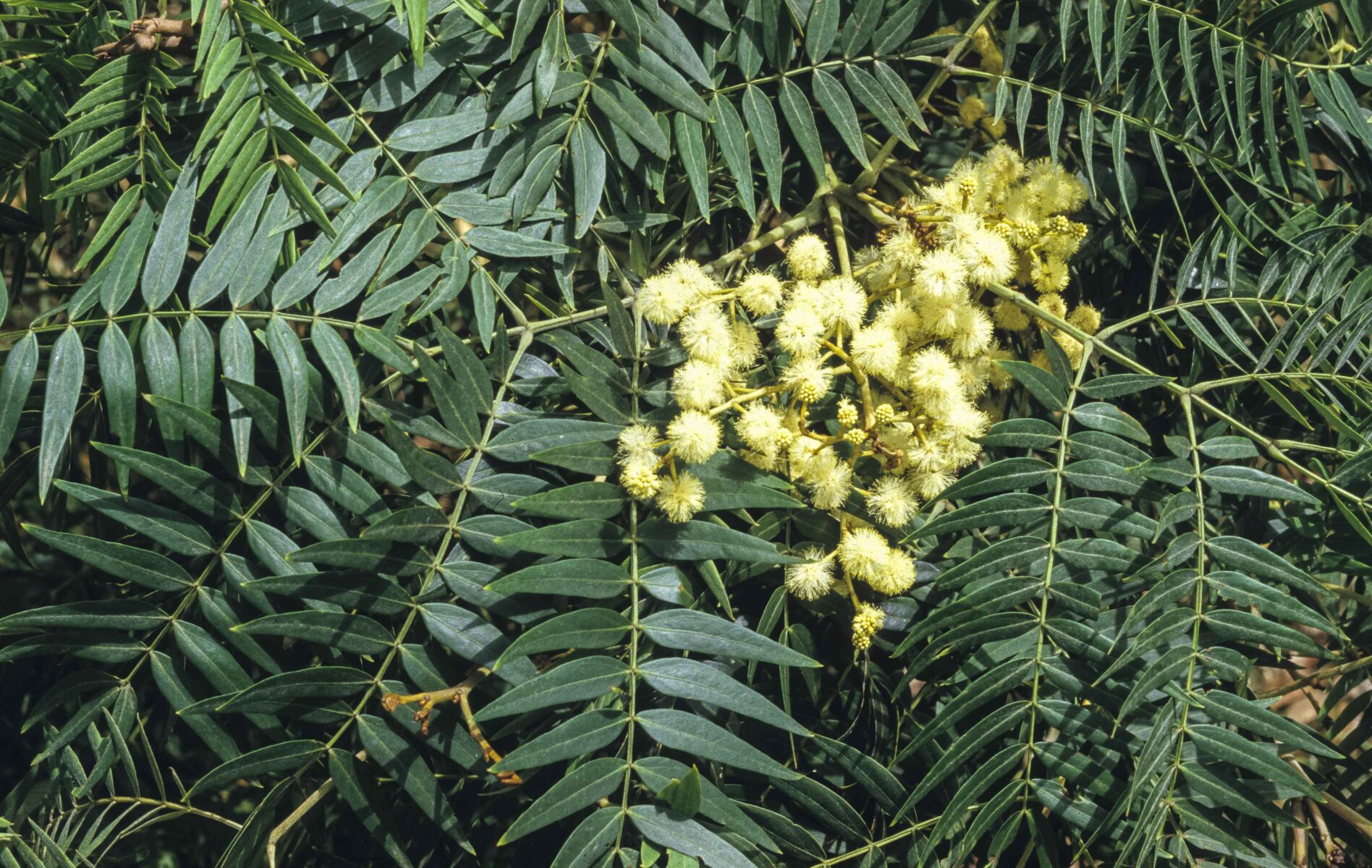
If you’re drawn to growing Acacias—whether for landscaping beauty, land restoration, or simply because their golden blooms enchant you—this guide is your companion through every twist and challenge I’ve faced. No fluff here: just honest stories, failures turned lessons, and practical strategies that truly work.
1. Getting to Know Your Acacia: More Than Just a Pretty Tree
Acacias are members of the legume family with over 1,000 species mainly in Australia and Africa. Their signature feathery leaves and soft yellow or white flower clusters hide an incredible secret: they fix nitrogen in the soil by partnering with root bacteria. In other words, they don’t just survive tough conditions—they improve the soil around them.
But here’s something many guides skip over: Not all Acacias behave alike.
- Acacia dealbata (Silver Wattle): Fast grower but frost-sensitive—plant it only if winters are mild.
- Acacia senegal: Slow-growing but thrives in arid tropical zones; famous for producing gum arabic.
- Acacia baileyana (Cootamundra Wattle): Hardy and silvery-leaved but can become invasive if not contained.
I learned this firsthand when I planted A. dealbata in a cooler climate without realizing its frost sensitivity—half my seedlings died before unfurling leaves. Ouch! Lesson learned: know your species’ climate preferences before planting. For a deeper dive, you can learn more about different species of Acacia plants and their characteristics.
2. The Seed Struggle: How Scarification Turned My Crop Around
Planting Acacia seeds isn’t as simple as chucking them into soil—those hard seed coats are nature’s armor designed to survive fire or digestion but stubbornly refuse to germinate until conditions are perfect.
My first try? Dropped unscarified seeds into damp soil, waited five weeks… nothing. Zero sprouts.
Then came my “aha” moment: scarification.
Here’s what finally worked after several experiments:
-
Hot Water Soak: Pour boiling water (around 80°C) over your seeds in a jar; cover and let sit for exactly 18 hours. Not less—you need to soften that coat properly; not more—or they'll rot.
-
Mechanical Nicking: Use a metal nail file or fine sandpaper to gently scratch one side of each seed coat—just enough to reveal pale inner seed without splitting it open entirely.
This two-step approach bumped my germination rate from nearly zero to over 70% within two weeks—a game changer!
Pro tip: Soaking scarified seeds overnight before planting helps speed up sprouting even more.
3. Planting Like a Pro: Soil, Sunlight & Spacing
Once your seeds are ready for action, setting up the right environment is critical:
-
Soil: Acacias hate soggy roots—I lost a batch when their roots drowned in heavy clay soil. My fix? Mix equal parts compost and coarse sand into your planting bed for nutrient-rich but well-draining soil.
-
Sunlight: Don’t underestimate this! At least six hours of direct sunlight daily keeps your Acacias healthy and blooming. Shade leads to leggy growth and few flowers.
-
Spacing: Space matters more than you’d think:
-
For shrubs like A. baileyana, you can plant seedlings about 1 meter apart.
-
For trees such as A. dealbata, give them at least 4–6 meters between plants so roots don’t compete underground and crowns have room to spread.
Remember: overcrowding invites competition for nutrients and light—something young Acacias can’t afford.
For a detailed guide to growing and caring for Acacia plants at home, check out how to grow and care for Acacia plants at home.
4. Watering Wisdom: When Less Is More (And When It Isn’t)
Here’s where many gardeners trip up—“Water sparingly once established” sounds simple but knowing when “established” truly happens can be tricky.
I made the mistake of slashing watering during a dry spell last year; nearly half my saplings browned overnight—a painful wake-up call.
Here’s what works now:
-
First 6 weeks: Keep soil consistently moist—not soggy! Check by feeling top 3 cm daily.
-
Weeks 7–12: Slowly reduce watering frequency; if soil stays dry for more than two days straight, give them a deep soak.
-
After 3 months: Water deeply only once every 10–14 days unless rain intervenes.
Drip irrigation has been my lifesaver—it delivers moisture straight to roots without drowning surrounding soil or encouraging weeds.
One thing I noticed? Young Acacias seem surprisingly drought-tolerant after three months but still appreciate occasional deep watering during prolonged heatwaves.
To understand how these plants thrive in tough climates, you might want to read about how Acacia plants adapt to arid and semi-arid environments.
5. Pruning Secrets That Changed My Garden
Early on, I pruned my Acacias like any shrub — hard cuts late in the season — only to see stressed plants drop leaves or stop growing altogether.
Now I prune gently:
- Light pruning in early spring before new growth starts.
- Remove dead wood or crossing branches rather than heavy shaping.
- For resin-producing types like A. senegal, prune every 2–3 years to stimulate gum flow—but never during droughts or extreme heat.
This kinder approach keeps plants happy without shock—and trust me, they respond beautifully with fuller foliage afterward.
6. Pest Patrol: Aphids & Friends
Pests often sneak up fast on tender new leaves—aphids especially love feathery foliage during warm spells.

I remember walking through my small grove one morning hearing soft “crackles” as aphids munched on leaves causing curling—a subtle yet frustrating sign!
My pest-fighting routine:
- Wash off small infestations with strong water sprays.
- Apply neem oil early morning at first sight of pests; repeat weekly until gone.
- Introduce ladybugs purchased from local nurseries—the natural cleanup crew that saved my grove across seasons.
If aphids overwhelm you despite these steps (it happened once), try mixing insecticidal soap with neem oil for extra punch—but always test on one branch first!
For more on this topic, see common pests and diseases affecting Acacia plants.
7. Diseases & Other Pests You Should Watch For
Acacias are hardy but not invincible:
-
Root Rot: Usually caused by waterlogged soil; look for stunted growth and blackened roots.
-
Powdery Mildew: White powdery coating on leaves during humid spells.
-
Scale Insects: Small bumps on stems/leaves causing yellow spots or leaf drop.
Treatment tips:
| Problem | Signs | Likely Cause | Remedy |
|---|---|---|---|
| Root rot | Wilting despite moist soil | Poor drainage | Stop watering; improve drainage; remove infected roots |
| Powdery mildew | White powdery leaf coating | High humidity | Increase air circulation; apply fungicide if severe |
| Scale insects | Sticky residue; leaf yellowing | Insects feeding | Remove manually; treat with neem oil or horticultural oil |
Regular monitoring is key—catch problems early before they spread widely!
8. Propagation Beyond Seeds: Cuttings & Layering
While seed germination is classic for Acacias, some species propagate well via cuttings or layering—which can be faster if you want clones of specific plants:
-
Cuttings: Take semi-hardwood cuttings (about pencil thickness) from healthy branches late spring/early summer. Dip bases in rooting hormone powder then plant in sandy mix under mist/fog conditions until roots form (~6–8 weeks).
-
Layering: Bend low branches down onto loose soil and cover part with dirt while still attached to mother plant—roots develop there over months before severing from parent plant.
These methods require patience but reward you with identical offspring—a boon if you want consistent traits like flower color or drought tolerance from known specimens.
9. Real-Life Wins From Around the World
It’s inspiring how diverse communities harness Acacias’ power—in both small gardens and large landscapes:
-
Near Cape Town, South Africa, farmers planted Acacia senegal across degraded arid lands prone to desertification:
-
Gum arabic yields reached an average of 140 kg/ha annually within three years.
-
Soil organic matter increased by over 15%.
-
Farmers diversified income beyond traditional crops—a much-needed boost for resilience against climate change impacts.
-
Closer to home in my own urban garden:
Replacing thirsty ornamentals with A. baileyana cut summer water bills nearly 25%, while attracting native bees and hummingbirds—a win-win for wallet and wildlife alike!
Such examples show how planting right not only beautifies spaces but builds ecological balance—and sometimes livelihoods too! To understand more about their environmental impact, see the ecological role of Acacia plants in their native habitats.
10. Tools That Became My Best Allies
Having proper tools makes all the difference when working with stubborn seeds and delicate saplings:
- Razor-sharp nail file: Perfect for gentle scarification without damaging seeds’ embryos.
- Digital soil moisture meter ($30): Saved me countless times from guessing when—or whether—to water.
- Handheld pruning saw & bypass shears: One tackles thick branches cleanly; the other perfect for precise trimming.
- Neem oil concentrate: Organic pest control that protects beneficial insects unlike harsh chemicals.
- Mulch material (wood chips): Keeps moisture steady around young plants while suppressing weeds naturally.
If I had one regret—it’d be waiting too long to invest in these basics!
Bonus Section: Common Questions & Quick Answers
Q: How long do Acacia trees live?
A: Depending on species, many live between 25–50 years under good conditions—with some reaching older ages outdoors naturally.
Q: Can Acacias survive frost?
A: Some can tolerate light frost (A.baileyana), but others (A.dealbata) need frost-free zones or protection during cold snaps.
Q: What’s best time of year to plant seeds?
A: Early spring after last frost generally works well—soil warming encourages faster germination.
Q: Are Acacias invasive?
A: Certain species (A.baileyana) can become invasive outside native ranges if unchecked—always check local guidelines before planting widely!
Final Thoughts From Someone Who’s Been There
Growing Acacias taught me resilience—not just about plants but about patience itself. There were flops (seedlings lost unexpectedly), surprises (pollinators showing up at dawn out of nowhere), and triumphs (patches holding erosion where nothing else would grow).
If you take away only one thing from this guide, let it be this:
The magic happens when you listen closely—to your plants’ needs, your environment’s quirks—and adapt bravely without giving up after setbacks.
Start today by scarifying those seeds with curiosity—and watch how this humble tree transforms not just your garden but your whole perspective on growing life where it seemed impossible before.
Welcome truly—to your Acacia adventure!
P.S. If you run into trouble along the way (and you will—that’s part of learning!), remember it means you're trying something worthwhile. Every gardener's journey is full of surprises—and there’s no better feeling than turning challenges into green victories bit by bit!


