Discover Acacia Wood: Amazing Properties and Everyday Uses

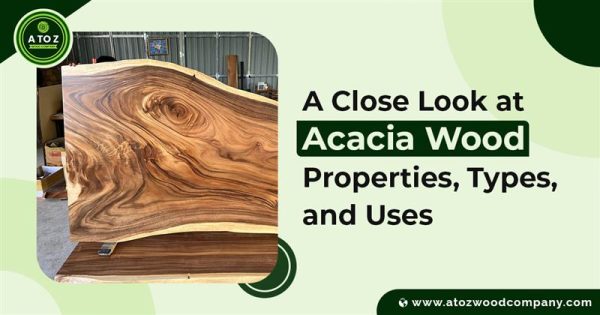
I still remember the first time I picked up a chunk of acacia wood—at a small workshop helping a friend build furniture. The weight hit me immediately. Compared to pine or cedar, acacia felt like holding a slab of solid rock with these gorgeous swirling grains running through it. That density isn’t just for show; it’s what makes acacia one of the toughest woods you can work with day-to-day. For a comprehensive guide to acacia plants, including their growth and care, check out this detailed resource.

But here’s a hard lesson: don’t underestimate how heavy and dense acacia is when planning your project. When my friend and I tried assembling a dining table using standard pocket screws and drill bits meant for softer woods, half the screws stripped or snapped because the wood pushed back harder than we expected. Switching to carbide-tipped drill bits and longer, stronger screws was a game-changer—and that’s a practical tweak you won’t find in beginner woodworking guides.
What Makes Acacia Wood Special (Beyond the Buzz)
You’ve probably heard acacia is naturally resistant to water and insects. That’s true—but only if you care for it properly. The natural oils in acacia help reduce warping and swelling, but they’re not magic. For example, I replaced an old cutting board with an acacia one about eight months ago, and even after daily chopping, it looks almost untouched. The secret? Regularly applying thin coats of tung oil—not just any oil, but tung specifically because it soaks deep without leaving a sticky surface.
Speaking of stickiness—here’s something I learned the hard way: piling on tung oil thickly results in a gummy finish that traps dust and grime. Instead, rubbing on thin layers every couple of weeks worked wonders for building up a durable satin sheen that stayed fresh after heavy use.
Acacia vs Other Hardwoods: Price Meets Performance
I’ve tested many hardwoods over the years, especially for outdoor furniture. Teak gets all the hype—and costs nearly $25 per square foot at my local supplier last summer. Acacia? Around $8 per square foot at the same store, offering similar durability in humid conditions.
Compared to oak indoors, which is lighter and classic-looking but doesn’t handle moisture well without heavy sealing, acacia held up better in my client’s sunroom furniture that occasionally got rained on during storms. After six months outdoors (under open windows), no visible damage or warping showed up.
The tradeoff? Acacia’s grain can be unpredictable: one plank might glow golden honey; another shows deep reddish streaks or dark knots. Some clients love this character; others want uniformity like maple or cherry—which acacia doesn’t deliver consistently. If you want to learn more about the different species of acacia plants and their characteristics, this can help explain some of the variations you see in the wood.
Sustainability: What You Should Really Know
Sustainability claims can feel like marketing fluff until you dig deeper. Visiting an FSC-certified supplier last year who specialized in acacia from managed plantations showed me how fast these trees grow—about 7-10 years before harvest compared to teak’s 25-30 years. That fast growth means acacia can be renewable if harvested responsibly.
But beware—not all acacia comes from sustainable sources. Some suppliers sell wild-harvested or uncertified wood that contributes to deforestation. My advice? Always ask for FSC certification or consider reclaimed acacia from salvage yards if you want to stay eco-friendly.
I once bought uncertified stock out of curiosity and later regretted it—it looked great but didn’t sit right knowing where it came from.
Caring for Your Acacia Projects: A Simple Routine That Works
After building a small side table last fall with acacia planks, I developed this easy care routine based on real wear:
- Right after sanding: Apply thin coats of tung oil with a microfiber cloth—avoid brushes since they puddle.
- Every 3-4 months: Lightly sand with 320-grit paper before reapplying oil to refresh the surface.
- Avoid: Harsh cleaners like bleach or ammonia—they strip natural oils and dull finishes.
- For outdoors: Seal over tung oil with exterior-grade polyurethane or spar varnish for UV protection.
I learned this after seeing untreated outdoor furniture fade to gray within one season—my friend’s patio set was ruined by September because she skipped sealing altogether. So even though acacia resists moisture naturally, don’t skip proper finishing outside.
Working With Acacia Wood: Prepare for Tool Wear
If you think your regular blades will cut through acacia easily—think again. Its density wears down saw blades and planer knives fast—I replaced two saw blades halfway through my first big build.
My solution? Use carbide-tipped blades designed for hardwoods (like DeWalt’s 60-tooth circular saw blade) and keep extra sharp planer knives handy. Also, take breaks during cutting sessions so tools don’t overheat—that dulls edges quicker than you’d expect.
And here’s another snag: because of its natural oils, standard yellow wood glue often won’t stick well to acacia. After testing several types on scrap pieces, epoxy and polyurethane glues gave me consistently strong joints without failure.
Choosing Your Acacia Lumber: What to Look For
When buying raw boards:
- Aim for weights around 45–55 lbs per cubic foot—this usually means dense, properly dried wood.
- Check moisture content with a pin meter; 6–8% is ideal indoors.
- Avoid boards with end splits or large cracks—these tend to worsen as wood dries.
- Want clean lines? Pick straight boards with minimal knots.
- For rustic charm or decorative work? Knots and varied grain add personality.
Ready to Start Your Acacia Project? Here’s How I’d Do It
- Clearly define your project scope—is it an outdoor bench? An indoor dining table? A cutting board?
- Visit suppliers in person; feel the weight and inspect grain patterns rather than buying blindly online.
- Ask about drying methods—kiln-dried planks are more stable than air-dried ones which may warp unpredictably.
- Invest upfront in high-quality carbide-tipped blades and sharp planer knives—they pay off fast.
- Test finishes on scraps first—try oils versus sealants—to see what suits your project best.
- Plan maintenance ahead: outdoor pieces need resealing at least once per year; indoor ones every few months keeps them looking sharp.
For more detailed information on growing and caring for the source of this wood, see our complete overview of acacia plants.
Quick Troubleshooting FAQ
Q: My glue isn’t sticking! What now?
Try epoxy or polyurethane glue instead of regular yellow wood glue; those bond better thanks to acacia’s natural oils.
Q: Why do my screws keep stripping?
Standard screws often aren’t strong enough; switch to longer, stronger screws designed for hardwoods plus carbide drill bits.
Q: My finish feels sticky after oiling—is that normal?
Yes! Too much tung oil at once creates stickiness that traps dust. Thin layers applied gradually avoid this problem.
Final Thoughts From Someone Who’s Been There
Acacia isn’t your average hardwood—it demands respect but rewards handsomely when treated right. Think of it as a loyal workhorse: tough as nails but needing regular care to stay at its best.
If you’re tackling your first project with acacia wood, don’t rush finishing or assembly without testing oils and glues first—it’ll save headaches later on (trust me). And never skimp on tools—they’ll make your job smoother and protect your wood’s beauty long-term.
Choosing acacia means choosing resilience wrapped in stunning natural patterns telling their own story over time. Give it proper attention, and you’ll have something both practical and striking that lasts decades—not just seasons.
Now go find that perfect plank—you’re not just holding wood; you’re holding years of trial-and-error craftsmanship waiting to come alive under your hands.
And hey—if things get frustrating (they will), remember every scratch is just part of the learning curve toward mastering this amazing material. Keep going—you’ve got this!


