Adams Needle Plant Care: Practical Tips for Healthy Growth
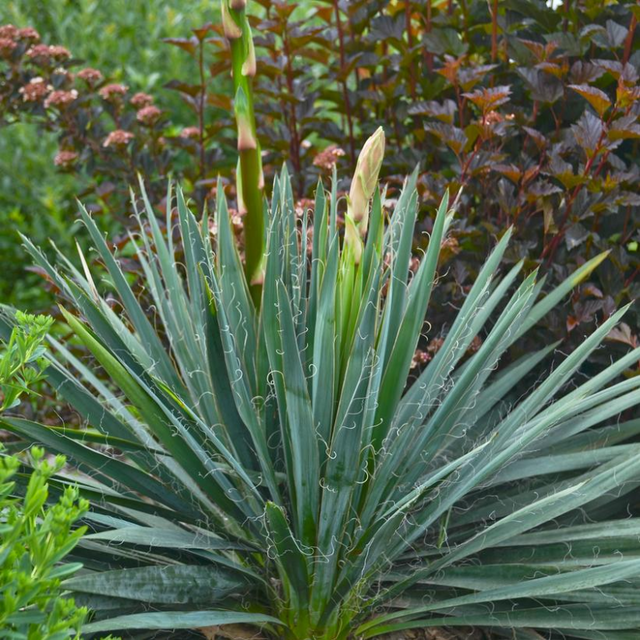
Mastering the Adams Needle Plant (Yucca filamentosa): Your Complete, No-Nonsense Guide to Success
When I planted my first Adams Needle nearly ten years ago, I thought it’d be a no-brainer—after all, it’s a tough desert survivor, right? Boy, was I wrong. Between drowning it in water and accidentally burying its crown, I learned fast that Yucca filamentosa demands respect, patience, and some finely tuned care. But once I cracked the code, this plant became one of the most resilient, striking highlights of my garden.

This guide isn’t just a checklist—it’s a system forged from real trials (and failures). Whether you’re battling clay soil in the city or blazing sun in a xeriscape, I’ll help you avoid common pitfalls and grow your Adams Needle into a bold architectural centerpiece with minimal fuss.
1. Know Your Adams Needle: More Than Just a Spiky Plant
Forget generic blurbs—here’s what living with Yucca filamentosa has taught me:
-
Leaves: They’re not just long (2-3 feet) but edged with razor-sharp tips and those iconic white thread-like filaments curling off the sides. These aren’t decorative—they’re defense mechanisms! Always wear thick gloves when handling. Trust me on this; those tips can draw blood faster than you think.
-
Flower Spikes: Towering up to 6 feet tall and covered in creamy-white bell-shaped flowers. Oddly enough, they only bloom reliably if the plant experiences moderate stress—too much TLC backfires.
-
Growth Habit: It spreads underground slowly through rhizomes forming dense clumps. Plan for division every 4-5 years if you want to control its spread or propagate new plants.
A key insight: This yucca thrives on mild drought stress. Too much water or fertilizer dulls its flowering urge and encourages floppy leaves. It’s a bit like Goldilocks—you want just the right amount of “neglect” to unlock its best performance.
2. Planting Like a Pro: Avoid These Rookie Mistakes
The single biggest killer of young yuccas? Poor drainage combined with overwatering. My first plant drooped and refused to flower two summers straight because its roots were drowning in soggy clay soil—a harsh lesson.
Here’s exactly what saved mine (and what will save yours):
-
Dig a hole twice as wide as the root ball—but no deeper than where the crown sits naturally.
-
Mix native soil with about 30% coarse gravel or decomposed granite—this gritty blend mimics its preferred sandy pine barren habitat.
-
Set the crown precisely at soil level—never bury it deeper! Crown rot lurks beneath if buried too far.
-
Water deeply once after planting, then resist watering again for at least three weeks unless the soil is bone dry.
Pro tip: Want to know if your soil drains well? Fill your planting hole with water and time how fast it empties. If it takes longer than 30 minutes to drain completely, amend your soil or consider raised beds.
For a detailed guide to soil, watering, and light requirements, check out the Adams Needle Plant Care Guide: Watering, Soil, and Light Requirements.
3. Watering Wisdom: Less Really is More
Many gardeners kill their Adams Needle by treating it like a thirsty houseplant—don’t be that gardener.
Here’s my watering timeline:
-
First month after planting: Water once per week only if there’s no rain.
-
After 6 weeks (establishment phase): Drastically cut back watering; once every 3 weeks during long dry spells is usually enough.
-
Always avoid soggy soil—roots need air as much as moisture!
Light underwatering encourages sturdier stalks and better blooms; too much water makes leaves limp and flowers shy.
For more on watering and care, see the Adams Needle Plant Care Guide: Watering, Soil, and Light Requirements.
4. Pruning & Maintenance: Keep It Sharp and Tidy—Safely!
Your Adams Needle isn’t high maintenance but ignoring dead leaves will quickly turn it into an eyesore—and possibly invite pests.
-
Prune dead or brown leaves close to the base in late winter or early spring using sharp bypass pruners.
-
Remove flower spikes after blooming if you want to conserve energy for leaf growth next season.
-
Use heavy-duty leather gloves with wrist gauntlets—I speak from painful experience!
For big plants, long-handled loppers save your back and fingers from repeated pokes.
Bonus tip: Don’t fertilize annually unless your soil is poor; overfeeding leads to lush leafy growth but fewer flowers—and invites pests like aphids.
If needed, apply a slow-release balanced fertilizer (10-10-10) sparingly in early spring only.
5. Propagation Mastery: Multiply Your Yucca Empire Faster
Most people get stuck trying seeds—which are slow and unpredictable (I waited over two years before seeing flowers from seed!).
The fastest way is division:
-
In early spring before new growth begins, carefully dig up clumps.
-
Separate offsets with intact roots using clean pruning shears.
-
Replant immediately in amended well-draining soil as described earlier.
Want to try seeds anyway? Stratify them by refrigerating for 30 days before sowing indoors under LED grow lights with adjustable spectrum settings for best germination rates (~60%).
For step-by-step instructions, see the Propagation Techniques for Adams Needle Plants.
6. Troubleshooting Real Problems With Tested Solutions
| Problem | Symptoms | What Worked For Me |
|---|---|---|
| Root Rot | Yellowing leaves, mushy base | Fix drainage ASAP: add gravel, prune rotten roots; pause watering until recovery |
| Spider Mites | Fine webbing; speckled leaves | Weekly insecticidal soap sprays; increase humidity near plants |
| Winter Leaf Browning | Brown leaf tips | Heavy mulch around base; reduce late fall watering; wind screens (burlap) help if exposed |
| No Flowers | No flower stalks | Ensure full sun (6+ hours); cut nitrogen fertilizer; induce mild drought stress |
I admit—I once ignored spider mite signs thinking “It’ll pass.” Nope! Within weeks my yucca was riddled with webs and speckles. A quick insecticidal soap spray saved it and taught me vigilance is key!
For more on pests and diseases, see the Common Pests and Diseases Affecting Adams Needle Plants.
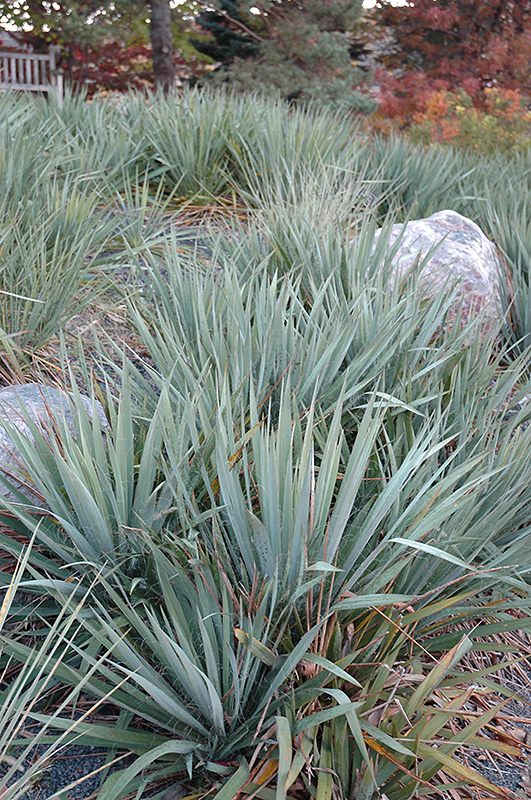
7. Landscape Integration: Make Your Garden Pop
Once your Adams Needle is thriving, pair it strategically:
-
With blue fescue (Festuca glauca) for stunning textural contrast.
-
Alongside agave species for authentic xeriscape vibes.
-
Near coastal grasses like Muhlenbergia capillaris on sandy slopes—they stabilize soil while adding gentle movement.
Fun fact: Adding yuccas brought hummingbirds zooming into my garden—they can’t resist those tall flower spikes when conditions are right!
For creative ideas, check out Landscaping Ideas Using Adams Needle Plants.
8. Tool & Resource Arsenal: Gear Up Right
To stay safe and efficient:
-
Razor-sharp bypass pruners (Felco brand recommended)—for clean cuts that heal quickly.
-
Heavy-duty leather gloves with gauntlets—your hands will thank you.
-
Soil moisture meter—to avoid guesswork on watering frequency.
-
Coarse sand or grit—for amending heavy soils or improving drainage on-the-fly.
-
Basic LED grow light panel—for starting seeds indoors during winter months.
Local agricultural extension offices are also gold mines for region-specific advice you won’t find online—don’t hesitate to tap into their expertise!
9. Step-by-Step Action Plan To Start Growing Your Own Adams Needle Today
-
Find a sunny spot getting at least six hours of direct light daily.
-
Test drainage by digging a 12-inch hole filled with water—it should drain within half an hour.
-
Amend poor drainage areas heavily with coarse gravel or decomposed granite.
-
Buy healthy nursery-grown Yucca filamentosa or stratified seeds from reputable native plant suppliers.
-
Plant in early spring after last frost; keep crown level exactly at ground surface.
-
Water deeply once after planting; then follow minimal watering schedule after establishment (~6 weeks).
-
Prune dead leaves annually using gloves and sharp tools before new growth starts.
-
Check regularly for pests/diseases so problems don’t sneak up on you.
If you want a detailed walkthrough on growing indoors, see How to Grow Adams Needle Plant Indoors Successfully.
Why This System Works When Others Fail
Every piece of advice here comes from rescuing struggling plants or waiting years while nothing bloomed due to beginner mistakes like overwatering or improper planting depth.
The biggest revelation? Adams Needle demands respect through restraint. Less water, full sun exposure, gritty well-drained soils—not coddling! That balance produces show-stopping form and prolific flowering year after year.
From my small Zone 7b backyard garden experiments to consulting projects across dry Arizona landscapes—I’ve seen these methods work repeatedly and confidently recommend them.
Bonus: Common Myths & Quick FAQs About Adams Needle
Q: Can I grow Adams Needle in shade?
A: Not really—it needs full sun (at least six hours). Shade-grown plants become leggy with fewer flowers.
Q: Is this plant invasive?
A: It spreads slowly via rhizomes but isn't aggressively invasive like some exotic yuccas—easy to manage by dividing clumps every few years.
Q: How cold-hardy is Yucca filamentosa?
A: Quite hardy down to USDA zone 4 (-30°F), making it versatile across much of North America.
Q: Can I use regular garden soil?
A: If your soil holds water (clay-heavy), amend heavily with sand/gravel or use raised beds—that’s non-negotiable for success!
Final Thoughts From My Garden Notebook
Growing Yucca filamentosa tested my patience more than any other plant early on—but that very challenge made success sweeter when those towering flower spikes finally appeared after two summers of doubt!
Don’t let initial setbacks discourage you—each mistake leads closer to mastery with this architectural beauty that rewards restraint more than fussiness.
So grab your gloves (seriously), prep that gritty bed properly, water sparingly but smartly—and watch your garden gain a sculptural star that thrives on tough love.
If you want printable quick-reference care sheets or detailed photos showing each step—from planting hole prep through pruning cuts—I’m happy to share them next time! Just ask.
Happy yucca growing—and welcome to the club of patient gardeners who get rewarded richly by nature’s spiked elegance!


