Adenium Obesum Secrets: My Journey to Thriving Desert Roses
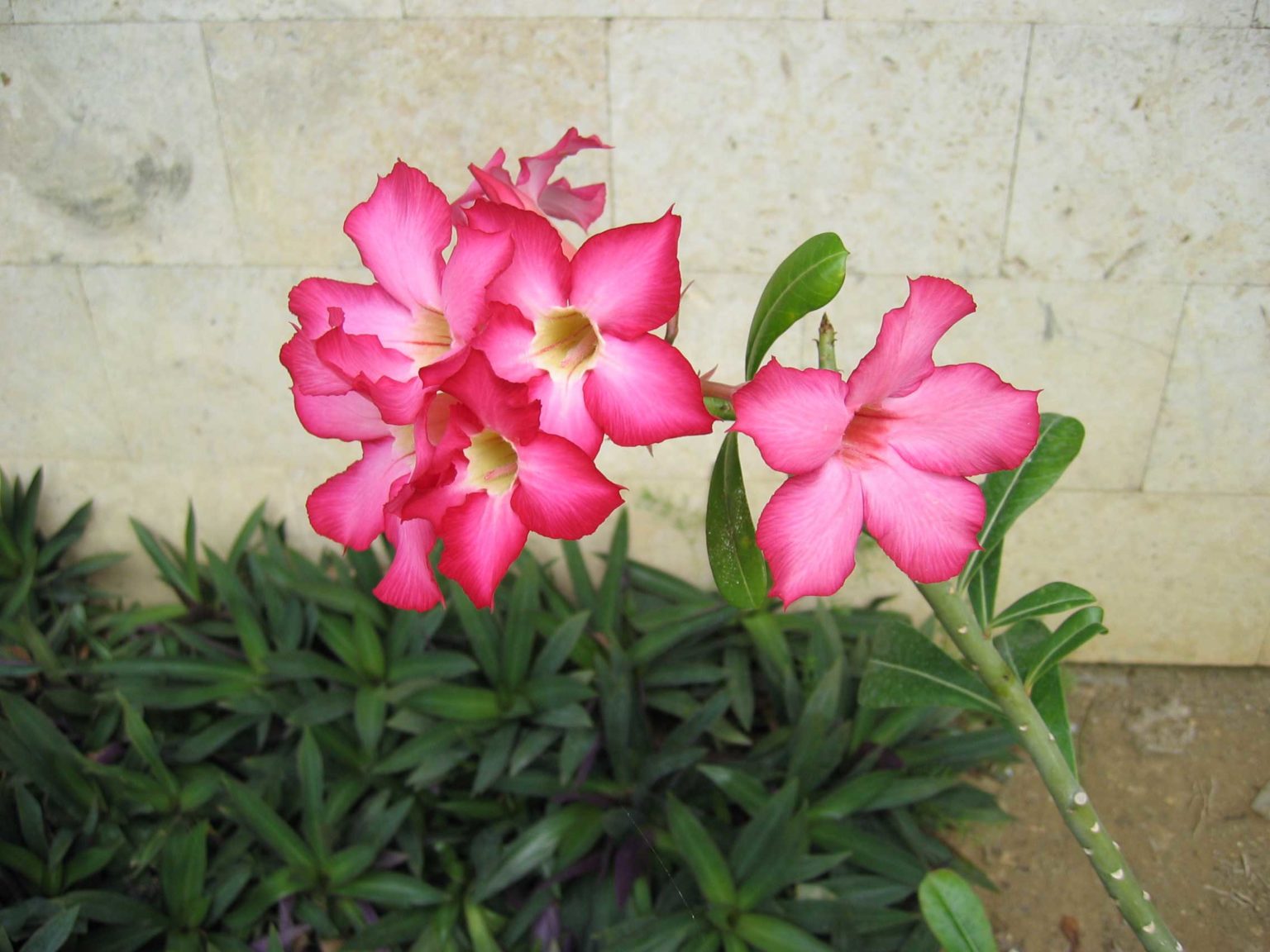
When I first encountered Adenium obesum—better known as the Desert Rose—it felt like discovering a desert jewel. That swollen, bottle-shaped trunk looks almost sculptural, a natural water reservoir shaped by harsh, dry climates. And those trumpet-like flowers? They burst with color, seemingly defying the arid lands they come from. But owning one quickly taught me this isn’t your average succulent. It demands close attention to its unique needs—more than just “give it sun and water occasionally.” Over nearly ten years of trial and error, I’ve learned what really makes these plants thrive—and how to avoid common pitfalls that kill more Desert Roses than anything else.
Understanding Adenium Obesum: Nature’s Masterpiece of Survival
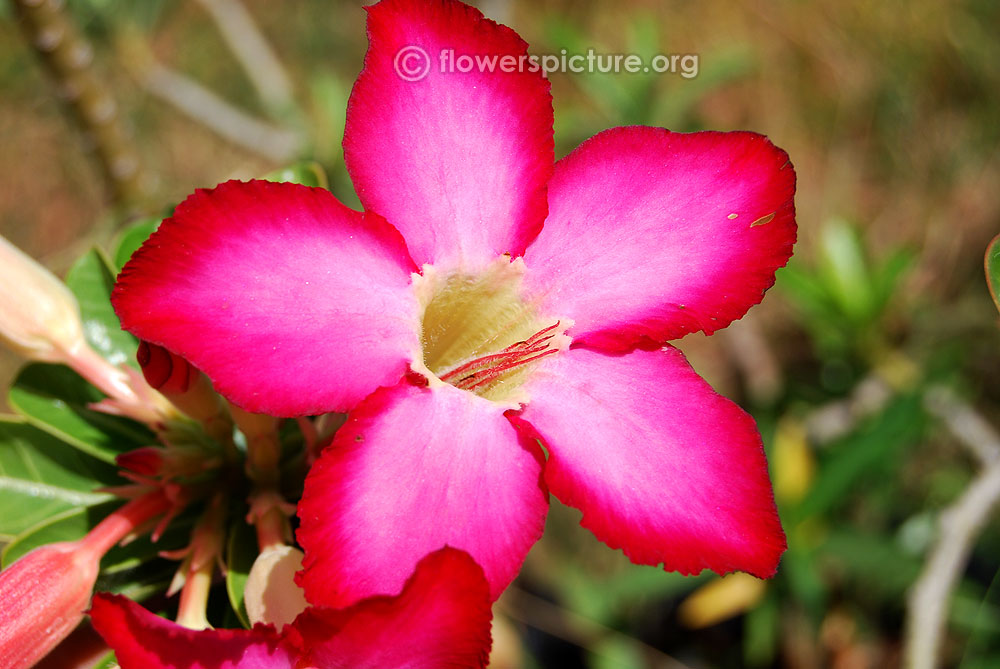
What truly sets Adenium obesum apart isn’t just its striking appearance; it’s the incredible story behind each plant. Native to sub-Saharan Africa and parts of Arabia, this species evolved thickened caudexes (those bulbous trunks) precisely to store water through long droughts. This means every care choice must respect that adaptation: too much water or cold can be fatal.
Here’s something I found out the hard way: overwatering is the silent killer for most Desert Roses. Back in 2015, I ran an informal experiment in my greenhouse with two groups—one watered weekly, the other every 10–14 days. The weekly group started showing root rot within six weeks; the less-frequent group not only survived but flowered heavily for months after. That experience reshaped my entire watering approach.
Temperature is equally tricky. When temps dip below 50°F (10°C) for longer than a few days, leaves start dropping and growth stalls—or worse, stems soften and rot sets in. So warmth and bright light aren’t optional if you want those signature blooms. For a detailed guide to watering, light, and soil needs, be sure to learn more about Adenium Obesum care.
Meet Your Desert Rose: Key Features at a Glance
- Family: Apocynaceae—the same as oleanders—meaning its sap contains mild toxins (handle with care).
- Caudex: The thickened base acts like a built-in water tank; often partly above soil to show off its dramatic shape.
- Leaves: Glossy and elliptical, arranged spirally along branches; vibrant deep green signals health.
- Flowers: Trumpet-shaped with five petals; colors range from soft pastel pinks to fiery reds and pure whites.
- Size: Indoors, expect up to about 3 feet tall; outdoors in native zones or warm climates, they can reach 10 feet or more.
Among cultivars I’ve grown, ‘Red Star’ stunned me with its deep crimson petals that seemed to glow at dusk, while ‘Snow White’ had an almost ethereal quality under morning light. For bonsai fans, dwarf types like ‘Bonsai’ offer compact shapes perfect for miniature artistry. To explore the diversity in these plants, check out the popular Adenium Obesum varieties and how to identify them.
How to Choose Your First Desert Rose Without Regrets
I remember buying my first Adenium at a busy market one spring day. The seller shrugged and said “just keep it sunny,” but I quickly noticed some had soft caudices—a classic sign of root rot—and yellowing leaves despite plenty of light.
My advice? Always check firmness first: gently press near the soil line on the swollen trunk. If it feels mushy or hollow inside, walk away—that plant is already compromised.
Look also for bright green leaves without spots or wilting; avoid overly leggy plants lacking leaf density—they often struggle to bounce back indoors.
The Perfect Soil Mix That Saved My Plants More Than Once
Cactus mixes are popular but often miss the mark for Adeniums because they either dry too fast or retain too much moisture near roots.
Here’s my fail-proof recipe after testing countless blends—even on my agency’s office windowsill collection where humidity fluctuated daily:
- 50% coarse perlite (not just sand): ensures air pockets around roots and rapid drainage
- 30% high-quality organic potting soil: provides nutrients without being peat-heavy (peat traps moisture)
- 20% coconut coir: holds moisture lightly without sogginess
This mix drains fast yet keeps just enough moisture for that thirsty caudex—not too wet, not bone dry.
Pot Choice Matters More Than You Expect
Glazed ceramic pots look nice but hold onto water far too long—something I learned when an otherwise healthy plant suddenly collapsed after being potted in one.
Unglazed terracotta pots are ideal—they breathe naturally and allow excess moisture to evaporate faster. Make sure your pot has multiple large drainage holes so water never pools at the bottom.
If repotting, resist going bigger than one pot size up—the roots prefer snug quarters until they’re actively growing again.
Lighting: Not Just Bright but Right
Full sun means intensity and duration. My Desert Roses do best with at least six hours of direct morning sunlight daily—the gentler sun helps avoid leaf scorch later in the day during summer heat waves.
Afternoon sun in hot regions may burn leaves quickly; some filtered shade or sheer curtains work wonders here.
In winter months when daylight dips below four hours indoors, full-spectrum LED grow lights become essential. Without them, plants stretch thin (“leggy”) and flower production plummets.
Watering Wisdom: Why Less Is Often More
I know “water sparingly” sounds vague—and frustratingly so when your plant still looks droopy! After killing my first mature Desert Rose by sticking blindly to schedules, I switched tactics completely:
Water based on soil moisture readings—not calendars.
I use a simple soil moisture meter (costs under $15 online) and check the top two inches before each watering session. If it reads above 30%, I wait another day or two before testing again.
During active growth (spring-summer), watering every 10–14 days usually works perfectly; slow down drastically during dormancy (fall-winter), watering once every 3–4 weeks is plenty.
Remember: your caudex holds reserves—it prefers drying out between drinks rather than constant dampness which suffocates roots.
For more on watering, light, and soil specifics, see the comprehensive care tips for Adenium Obesum.
Feeding Your Desert Rose Without Overdoing It
Balanced fertilizers are key—but don’t go heavy on nitrogen!

I rely mostly on slow-release Osmocote Plus (14-14-14) applied every six weeks during growth periods. Alternatively, monthly liquid feed diluted to half-strength keeps flowers vibrant without fueling excessive leafy growth.
One painful lesson? An NPK fertilizer heavy on nitrogen made my plant lush-leafed but flowerless all season—frustration alert!
Pruning Tricks: Shape It and Spark Blooms
If left alone, Desert Roses tend to grow lanky with sparse foliage—not great for aesthetics or flowering.
Early spring pruning does wonders—cut back dead branches and shorten overly long shoots to encourage new branching points that bloom next season.
Always sterilize your pruning tools with rubbing alcohol before use—I learned this after losing three stems to black rot infections post-cutting.
For those interested in shaping techniques, especially for bonsai or ornamental use, check out the pruning and shaping Adenium Obesum guide.
Advanced Techniques That Took My Plants from Good to Great
Bonsai Training
The thick caudex lends itself naturally to bonsai forms—you’ll find shaping branches early on pays dividends down the line.
Use soft wiring techniques during initial growth phases; avoid forcing bends too sharply or breaking fragile stems.
When repotting bonsais, root pruning is crucial: balance root mass carefully against canopy size—I discovered this after one bonsai wilted badly following top pruning without matching root trimming.
Grafting for Faster Blooms & Color Variety
Grafting slower-growing scions onto solid rootstocks cut down waiting time dramatically—from years to mere months before blooms appeared!
Precision matters here—I use surgical-grade micro scalpels from bonsai tool suppliers plus parafilm tape to seal grafts tightly under sterile conditions.
Seed Propagation Secrets
For genetic diversity and fun surprises, try seed propagation—but patience is key!
Soak seeds exactly 24 hours before sowing into warm (78–85°F), moist but well-draining soil mix. Germination typically takes about one week if conditions are right.
Seedlings initially look like tiny green rockets shooting straight upward—handle carefully until true leaves appear around month two before transplanting outdoors or bigger pots indoors under grow lights.
If you want to dive deeper into propagation methods, the propagation techniques for Adenium Obesum article is an excellent resource.
Must-Have Tools That Keep Me Ahead of Problems
Over time investing in specialized gear saved me endless headaches:
- Soil Moisture Meter: A game-changer for precision watering
- Sharp Pruning Shears: Fiskars Titanium blades have held up through years of tough cuts
- Full-Spectrum LED Grow Lights: Viparspectra 300W models cover small indoor setups perfectly
- Heat Mats: Thermostatically controlled mats from Hydrofarm help seedlings through chilly spells
- Sterile Grafting Kits: Surgical scalpels & parafilm tape ensure clean grafts without infection risk
Troubleshooting From Real Experience: When Things Go Sideways—and How I Fixed Them
Leaf Drop After Overwatering & Chill?
My first major leaf-drop episode happened after an unexpected cold snap paired with overenthusiastic watering indoors. Leaves fell rapidly but moving it near a heater and cutting back watering revived it within weeks—though recovery was slow!
Black Stem Rot?
A mature outdoor plant developed black rot after heavy rains pooled due to poor drainage beneath it. Immediate pruning of affected areas plus copper fungicide sprays weekly saved it after nearly three months of steady care—and switching pots afterward prevented recurrence.
Pests Like Mealybugs & Spider Mites?
Despite diligent care, pests sometimes get through. Neem oil sprays combined with insecticidal soaps wiped infestations out within two weeks each time—but early detection is vital! For a detailed guide on identifying and treating common pests and diseases, see common pests and diseases affecting Adenium Obesum and how to treat them.
Stories From Fellow Growers That Inspire Confidence
One friend inherited a seedling from her grandmother’s garden—a leggy mess barely hanging on after months under fluorescent lights indoors. Moving it outside into filtered morning sun plus switching over to soil-moisture-based watering saw it triple in size over six months—and bloom twice spectacularly afterward! She named her triumph “Phoenix”—a fitting reminder that even struggling plants can come back stronger with patience and care.
Your Clear-Cut Action Plan for Mastering Adenium Obesum
- Choose plants with firm caudices free from blemishes or softness
- Mix your own fast-draining soil emphasizing coarse perlite + coir + quality potting mix
- Pick unglazed terracotta pots with multiple drainage holes
- Position where plants get minimum six hours morning sun daily; filter harsh afternoon rays
- Use a soil moisture meter—not arbitrary schedules—to decide when to water
- Fertilize sparingly using balanced slow-release or half-strength liquid feeds during growth phase
- Prune annually early spring—remove weak/damaged branches & shorten long shoots
- Monitor temperatures vigilantly; move indoors if below 50°F (10°C) for several days straight
- Treat pests immediately upon spotting using neem oil + insecticidal soap combo
10.Experiment cautiously with bonsai shaping or grafting once confident in basic care skills
11.Keep detailed records—photos + notes—to track what works best in your specific environment over seasons
Embrace Your Desert Rose Journey With Patience & Curiosity
Adenium obesum isn’t just another pretty plant—it’s a living challenge wrapped in beauty that teaches patience through its rhythms of drought tolerance balanced against floral brilliance.
Across changing seasons and spaces—from office desks bathed in LED glow to sunny balconies—I’ve come to see every bloom as both reward and story of resilience shaped by careful observation and respect for its desert heartland origins.
Will there be missteps? Absolutely—that’s part of learning! But every lesson brings you closer to mastering this remarkable plant’s unique dance between scarcity and splendor.
So take heart—and take notes! Your own Desert Rose journey will bloom brighter year after year because you cared enough not just to grow it—but truly understand it.
Happy cultivating!


