Popular Adenium Obesum Varieties and How to Spot Them Easily
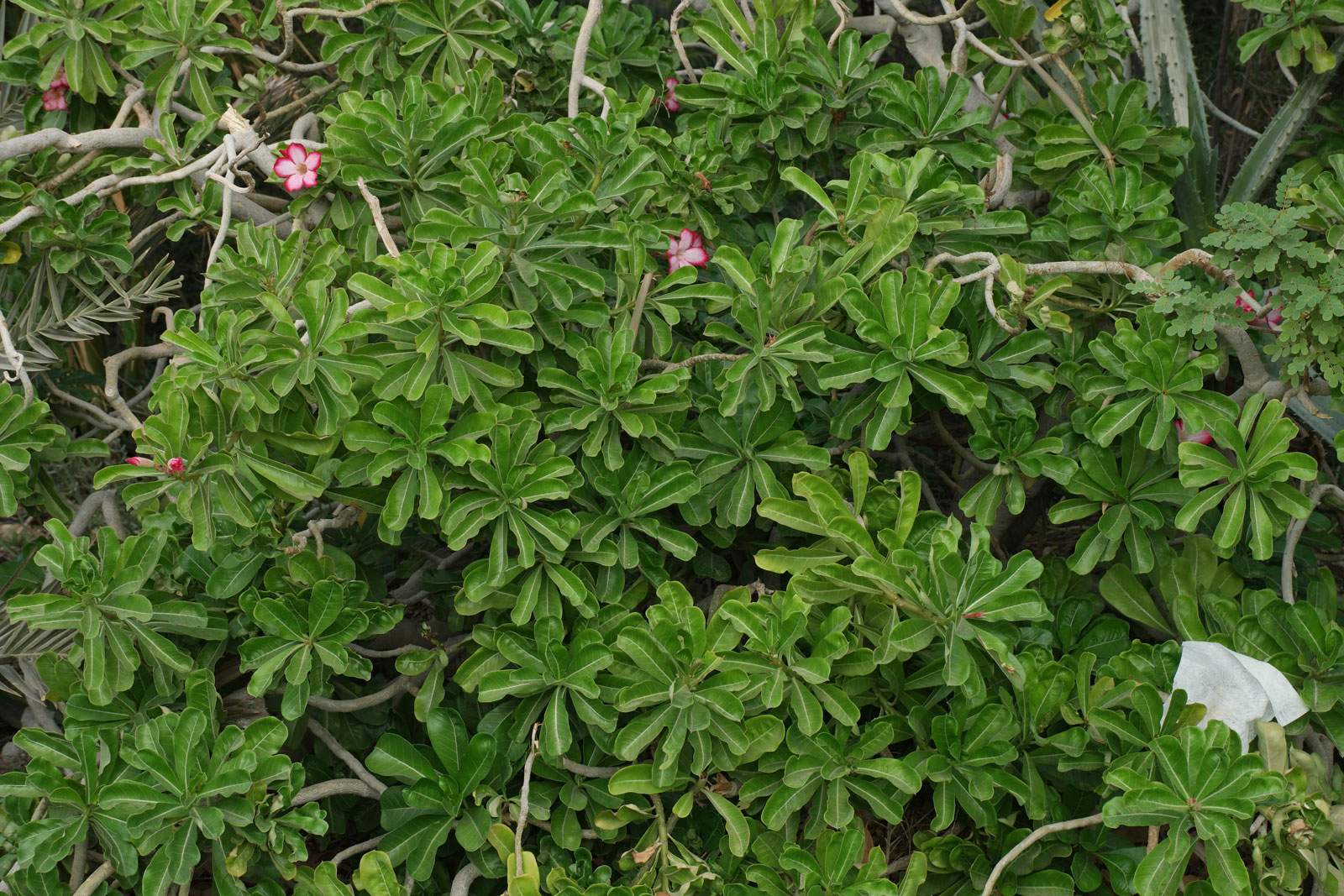
When I first tried to identify Adenium obesum varieties, I quickly learned that the usual “just check flower color or petal count” advice isn’t just too simple—it’s downright misleading. It’s tempting to think, “Red flower? Must be Red Dragon!” but after months of puzzling over dozens of plants, I can tell you: relying on flower color alone will lead you down a frustrating rabbit hole. For a more detailed approach, you might want to check out this comprehensive guide to Adenium obesum care and identification.
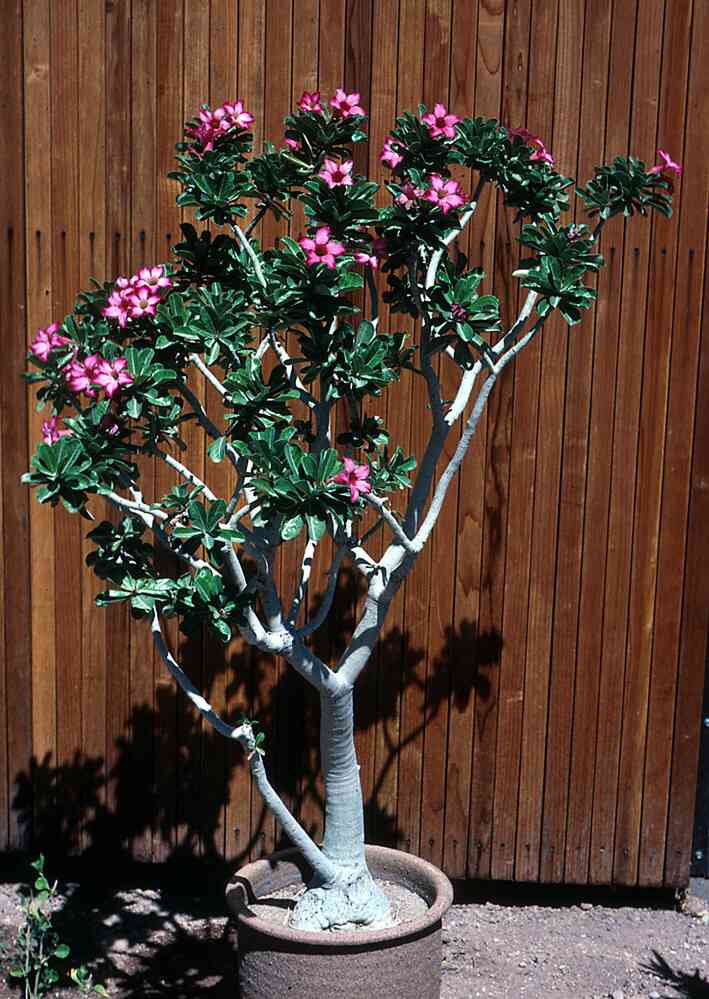
Here’s the truth most guides skip: Adeniums love to blur the lines. Hybrids mix traits, sunlight changes flower hues, and the caudex (that swollen base) comes in so many subtle shapes it’s easy to miss the differences unless you really look close. The best way? Layer your observations—consider flower shape and texture, caudex form, leaf size and feel, plus growth habit—and even then, expect some mystery.
Why Flower Color Alone Is a Trap (and What Actually Works)
Take the “Red Dragon” variety as an example. It’s famous for deep crimson blooms, right? Well, I bought three labeled “Red Dragon” plants from different sellers over half a year. Only one had that rich dark red; the others showed coral or pale pink tones depending on how much sun they got.
What helped me avoid mislabeling wasn’t chasing color saturation—it was zooming in on petal texture and caudex shape. True Red Dragon petals have faint darker veins giving a delicate veined pattern—not obvious at first glance. Also, their caudex isn’t perfectly round but has a slight angular taper near the top. Compare that to Desert Rose plants with their squat, rounded bases.
I’ll admit: early on I mixed up a solid Desert Rose variant for Red Dragon because in afternoon light their flowers looked similar. Lesson learned: light can trick your eyes. Don’t trust color alone.
Double Petals—Not Always What They Seem
“Obesum Double” is supposed to be easy to spot by its lush double-layered petals, right? Nope. Once, I examined a plant with petals that overlapped just enough to look almost double—but not truly so—and it threw off my whole ID process.
From that experience:
-
Look beyond petals: This hybrid had smaller leaves than typical Obesum Double plants and its caudex sported distinct vertical ridges instead of smooth bulbous curves.
-
Check growth habits: It grew bushier than most Desert Roses but wasn’t as dense as classic Obesum Double specimens I’d seen in nurseries.
So if you’re thinking “double petals = Obesum Double,” pause and look closer at leaf size and stem texture before deciding.
Caudex Shape: The Unsung Hero
Beginners often overlook the caudex or treat it like any old swollen stem—but this is usually your best clue when flowers confuse you.
For example:
- Desert Rose has a thick, squat, rounded base that’s mostly smooth.
- Obesum Double often shows pronounced vertical ridges or grooves.
- Red Dragon tends to have an angular profile near the top of its caudex rather than perfectly rounded.
After observing dozens of plants (including my own collection), these subtle differences are surprisingly consistent if you take time to inspect from multiple angles—don’t rush this step!
Real-Life ID Challenges: Where Theory Meets Reality
One nursery trip sticks in my memory: I spotted a plant labeled “Red Dragon” with coral-pink flowers instead of crimson. Disappointed at first, I almost walked away—but then noticed its caudex was perfectly round and smooth—the classic Desert Rose signature—not Red Dragon.
.JPG)
Another time, a friend sent pictures of what she thought was Obesum Double with ruffled pink blooms—only her leaves were tiny compared to what I'd expect. After digging deeper, we realized it was a hybrid with partial double petals—a reminder that nature rarely fits textbooks neatly.
And once I bought what should’ve been a classic Desert Rose only to see white flowers with faint pink blushes—quite different from vibrant pinks usually associated with it. Turns out it was mislabeled by the seller. That taught me: sometimes labels are just marketing fluff.
If you notice unusual symptoms or suspect your plant might be stressed or diseased, understanding common pests and diseases affecting Adenium obesum and how to treat them can be a lifesaver.
When Your Adenium Defies Easy Labels
Got a plant that doesn’t fit neat categories? Don’t panic or jump to conclusions based on one trait alone! Here’s what worked for me:
-
Combine multiple clues: Look at flower shape + petal details + caudex form + leaf size + growth pattern together.
-
Use community wisdom: Join groups like Adenium Lovers on Facebook or bonsai subreddits where experienced growers share photos and insights.
-
Document carefully: Take clear photos from different angles under steady light; note exact petal counts and colors using descriptive terms like “coral pink with magenta veins,” not just “pink.” Measure leaves if possible.
-
Consider environment: Remember flowers may shift color depending on climate and light exposure—that explains why your “Red Dragon” might look paler than expected in certain conditions.
Avoid Getting Burned by Mislabeled Plants
Here’s an unpopular truth: even reputable sellers sometimes stretch variety names for sales appeal—and paying top dollar for mislabeled Adeniums is surprisingly common unless you get savvy.
My checklist now:
-
Buy from nurseries specializing in Adeniums—not generic garden centers.
-
Ask upfront about provenance—seed-grown vs grafted—and request photos of mature plants before buying.
-
Whenever possible, see mature specimens in person since young plants often don’t show distinctive features until 12–24 months old.
Waiting those extra months isn’t glamorous (I get impatient too), but it saves hundreds spent chasing “rare” varieties that turn out mislabeled clones or hybrids after flowering season.
Quick ID Cheat Sheet — Start Here Before Diving Deeper
If you want something practical right now:
- Check caudex shape first: Is it smooth & round (Desert Rose), ridged/grooved (Obesum Double), or angular tapering near top (Red Dragon)?
- Look at petal texture & arrangement: Veins on petals? Are petals truly double-layered or just overlapping?
- Measure leaves: Larger leaves tend toward Obesum Double; smaller leaves hint at hybrids.
- Observe growth habit: Bushy but not dense? Might be hybrid; dense compactness leans toward true Obesum Double.
- Note flower color last: Use as supporting info only—color can vary widely based on light & environment.
For more detailed care and identification tips, see this complete overview of Adenium obesum.
Final Thoughts: Identification Is A Skill Grown Over Time
Adenium obesum identification isn’t about quick guesses or single features—it’s about patience and layered observation backed by hands-on experience.
If I had one tip for someone starting now? Don’t trust labels or any single trait blindly. Build confidence by watching your plants grow through seasons and lean on experienced communities who can challenge your assumptions when needed.
Your collection won’t just be more accurately named—it’ll deepen your appreciation for these fascinating plants’ quirks and diversity. And honestly? Half the fun is learning through trial and error—even when you mess up IDs along the way!
If you want more help breaking down specific varieties or need ID feedback on your plants’ photos, feel free to reach out—I’ve been there too!


