Adenium Plant Care Guide: Easy Steps for Healthy Growth
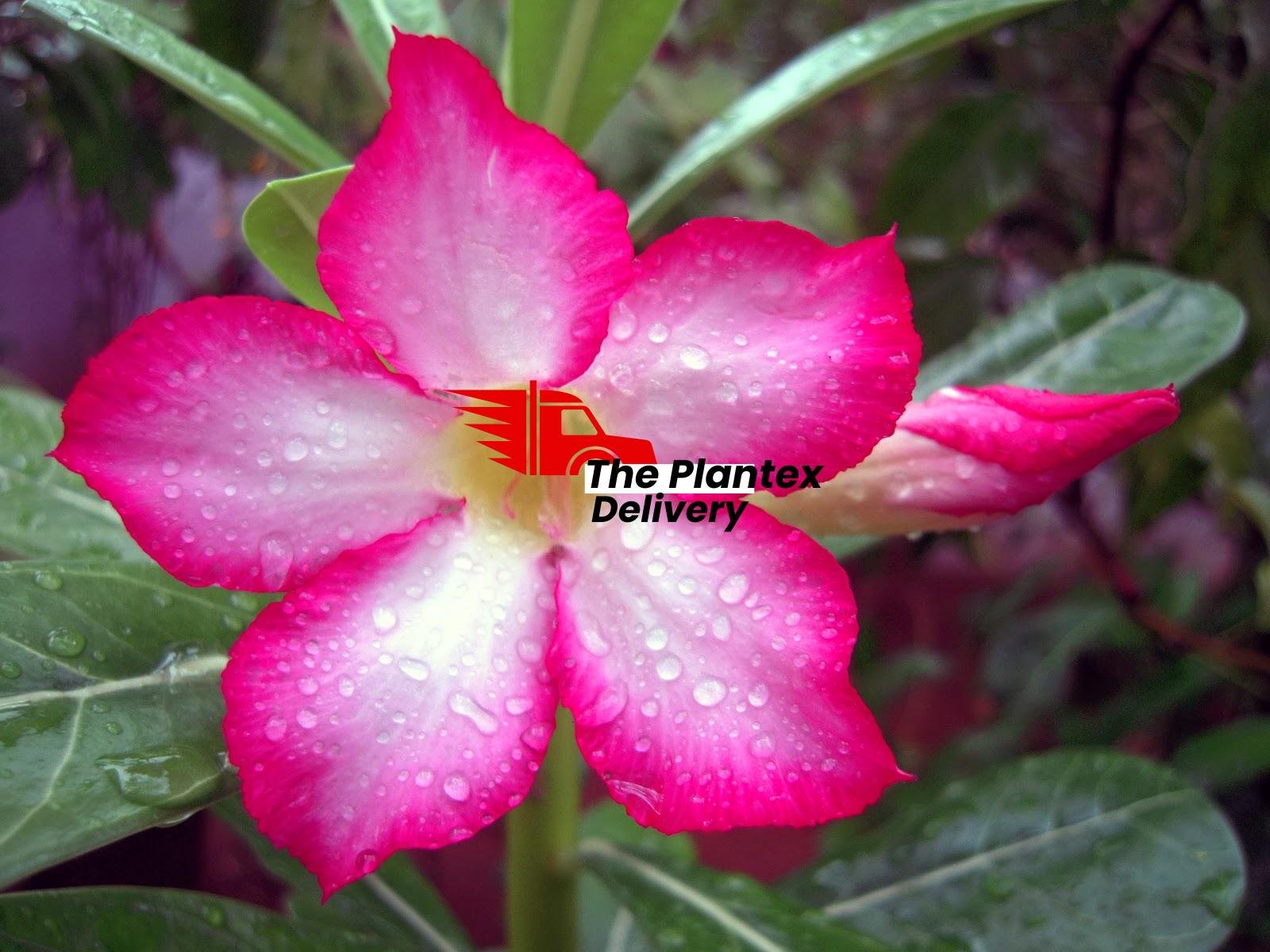
The Only Adenium Care Guide You’ll Ever Need: From Fumbling Beginner to Desert Rose Whisperer
I still vividly remember the first time I cradled an Adenium plant in my hands. That thick, bulbous caudex felt almost alien—like holding a miniature desert mountain. And those trumpet-shaped flowers? Pure magic. But here’s the honest truth: for weeks, my “desert rose” looked like a scraggly weed rather than the vibrant beauty I’d hoped for. Leaves yellowed overnight, buds dropped before opening, and I was convinced I’d killed it through sheer cluelessness.
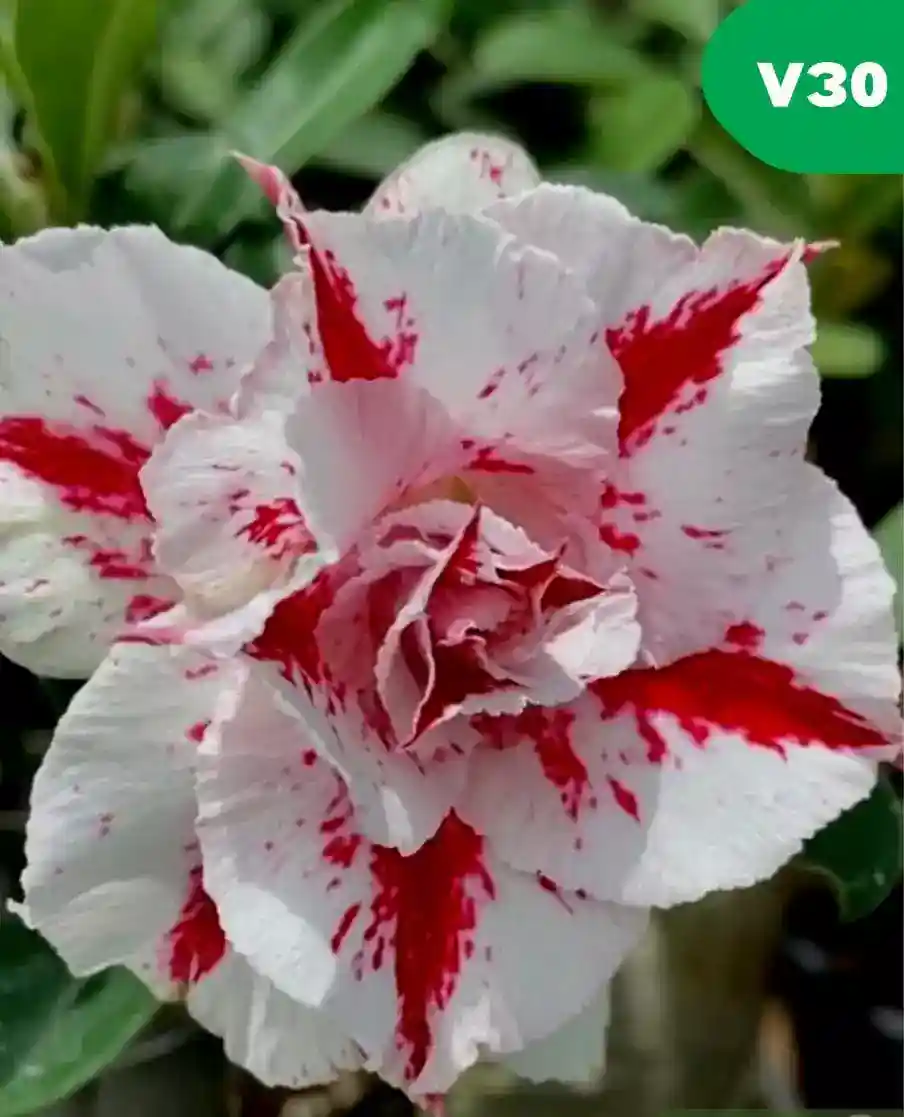
If you’ve been there—frustrated, confused, maybe even ready to give up—you’re not alone. Those early mistakes taught me lessons no generic care sheet ever mentioned. So if you want your Adenium to not just survive but explode in color and charm, this is the guide I wish I had from day one—a blend of hard-earned knowledge, personal stories, and practical tips.
Why Adeniums Are More Than Just Succulents: The Heartbeat Behind Their Care
Adeniums aren’t your run-of-the-mill houseplants. They’re desert survivors—born in the harsh landscapes of East Africa and the Arabian Peninsula—where scorching sun blazes by day and cold nights bite sharply. This background shapes everything about how they live and breathe.
Here are some key things I learned after watching my first few plants struggle (and sometimes die):
- The caudex isn’t just a fat trunk—it’s a water reservoir built to help the plant endure droughts lasting weeks or even months. Treat it gently; overwatering softens it fast, inviting rot.
- They drop leaves willingly during dormancy—so if your plant suddenly looks bare in cooler months, don’t panic! It’s simply conserving energy until better conditions return.
- Growth happens in bursts during warm months; don’t expect steady daily progress but be ready for sudden “wake-up” spurts.
- They bloom best when just a little stressed—not drowned or shaded. Mild drought and full sun coax those stunning flowers out.
Think of your Adenium as a tough desert warrior with delicate needs—it thrives on balance between challenge and care.
How I Got My First Adenium to Bloom: A Step-by-Step Roadmap That Actually Works
After experimenting with dozens of soil mixes, watering routines, and light setups (and losing more plants than I care to admit), here’s what finally worked every single time:
1. Soil Mix Magic
Forget heavy potting soil alone—it suffocates roots quickly. My go-to mix is roughly:
- 50% cactus potting mix
- 25% coarse builder’s sand (not play sand—it holds too much water)
- 25% horticultural pumice or perlite
This combo drains fast yet holds enough moisture to keep that caudex happy without drowning it.
2. Container Choice
My rookie mistake? Using a beautiful ceramic pot without drainage holes. Within two weeks, roots were rotting in stagnant water. Now, terracotta pots are my go-to—they dry faster and “breathe” better thanks to their porous walls. Make sure your pot has at least three wide drainage holes so excess water escapes easily.
3. Location, Location, Location
Adeniums demand at least six hours of direct sunlight daily to bloom well. Indoors? South-facing windows work best—but if natural light falls short (especially in winter), invest in a full-spectrum LED grow light like the Spider Farmer SF-1000. It transformed my winter blooms from nonexistent to spectacular within two months. For a detailed guide to indoor care, you can learn more about how to care for Adenium plants indoors.
4. Watering Ritual
Deep soakings only after the top 1–2 inches of soil are totally dry—usually every 7–10 days in summer but extending longer during cooler months. Forget rigid schedules; use a moisture meter (I swear by the Dr.meter Pro) or simply poke your finger into the soil before watering.
A quick note: It's tempting to water more when you see droopy leaves—but often that makes things worse by encouraging root rot.
5. Fertilizer Formula
During active growth (spring through early fall), feed every 3–4 weeks with a balanced fertilizer diluted to half strength—my favorite is Jack’s Classic 10-10-10 soluble fertilizer.
Here’s the twist: right before blooming peaks, switch to a bloom booster fertilizer high in phosphorus (like 15-30-15). The difference? More vibrant color and dramatically increased flower count.
6. Planting Technique
When repotting or planting seedlings, position the caudex slightly above soil level by about half an inch—to prevent base rot and showcase that signature sculptural trunk.
The Unexpected Truth About Adenium Dormancy: Why Less Is More
When my first Adenium shed all its leaves one chilly November afternoon, panic set in—I started watering more often trying to “save” it.
Big mistake.
Dormancy is survival mode—the plant shuts down metabolism and conserves resources until warmth returns:
- Reduce watering drastically—sometimes once every 3–4 weeks is enough.
- Keep the plant cool but ensure indirect light.
- Stop fertilizing entirely; feeding dormant plants stresses them unnecessarily.
It was tough at first—I thought “more care = better growth.” But trusting dormancy led to much stronger springtime bursts later on.
How I Learned To Prune Like A Pro (And Why It Matters)
Pruning wasn’t intuitive for me either until I realized it wasn’t just about looks—it’s about energy management.
After flowering finishes in late summer or early fall:
- Remove all dead or leggy branches cleanly with sterilized pruning shears.
- Trim back healthy branches by about one-third to encourage new shoots.
- Wipe cuts with cinnamon powder (a natural antifungal) to prevent infection.
I’ve seen flower buds multiply after pruning sessions—sometimes doubling bloom count versus unpruned plants!
Propagation Secrets That Took Me Years To Nail
Want more Adeniums? Here’s what experience taught me:
-
Seeds: Sow fresh seeds on moist sandy mix; germination takes 7–14 days if kept warm (~85°F). Patience is key—they grow slowly at first but reward you later.
-
Cuttings: Root faster but risk rot. Always dry cut ends for 3–5 days until calloused before planting in dry sandy soil.
-
Grafting: For advanced growers wanting rare hybrids or earlier blooms, graft colorful scions onto hardy rootstocks saves months of waiting. It took me several tries before perfecting this technique—but once mastered, it opens new creative doors.
Real-Life Wins & Lessons From Fellow Growers
One friend in Miami struggled endlessly with root rot until she switched her soil mix to include pumice and raised her pot off the ground for airflow beneath—and voilà! Healthy new growth within a month despite muggy humidity.

Another grower shared how reducing watering frequency in Florida’s brutal summer triggered more intense blooms—a counterintuitive strategy since most assume desert plants need more water under heat stress.
Have you noticed strange reactions from your own plant? Sometimes our microclimate teaches us far more than any book can!
Tools That Transformed My Adenium Journey
Here are some essentials that turned guesswork into confidence:
- Dr.meter Soil Moisture Meter: No more second guessing watering times!
- Spider Farmer SF-1000 Grow Light: Keeps winter blooms alive indoors.
- Felco Pruning Shears: Sharp cuts reduce infection risk.
- Horticultural Pumice: Key ingredient for perfect soil aeration.
- Neem Oil Spray: Effective early control against aphids/spider mites. For more on managing pests, check out this common pests and diseases affecting Adenium plants.
- Gardening Journal App (Gardenize): Tracking care routines helped me spot patterns leading to flowering success.
Trouble-Shooting From My Own Experience
Some challenges haunted me—and here’s how I tackled them:
| Problem | Cause | Fix |
|---|---|---|
| Yellow Leaves Early On | Overwatering/poor drainage | Check roots for rot; emergency repotting into fresh dry mix; reduce watering frequency |
| No Flowers Indoors | Insufficient light | Add four hours of supplemental grow light daily; blooms returned within eight weeks |
| Soft Caudex Developing | Overwatering leading to rot | Stop watering immediately; trim rotted parts; repot in fresh dry mix; keep warm & shaded |
| Pests Invading Leaves | Aphids/spider mites | Apply neem oil spray every five days until controlled |
If something feels off but you can’t pinpoint why—take a breath and check these basics first: light, water, drainage—then dig deeper step-by-step.
Your Personalized Adenium Action Plan
Ready for your own desert rose success story? Here’s your straightforward checklist:
- Pick healthy seedlings from trusted nurseries (avoid overly wet stock).
- Mix cactus soil + coarse builder’s sand + pumice/perlite (roughly 1:0.5:0.5).
- Use terracotta pots with multiple large drainage holes.
- Plant caudex slightly above soil line—let that bulb shine!
- Place where it gets at least six hours direct sun daily.
- Water deeply only when top 2 inches of soil are dry (use moisture meter).
- Feed monthly with balanced fertilizer during active growth; switch to bloom booster pre-flowering.
- Prune strategically post-flower season for bushier shape & more buds next cycle.
- Monitor pests weekly; treat promptly with neem oil spray.
- Cut back watering drastically during dormancy; keep cool & bright indoors or greenhouse.
- Experiment with propagation via seeds or dried cuttings once you master basic care.
- Join supportive communities like “Adenium Growers International” on Facebook for ongoing inspiration & advice.
For creative inspiration on how to showcase your thriving plants, explore design ideas using Adenium plants in your garden.
Remember: patience is part of this journey—and every stumble teaches you something new!
Bonus Tips & Advanced Techniques For Desert Rose Whisperers
For those ready to take their Adenium game further:
Grafting Deep Dive:
Grafting colorful scions onto hardy rootstocks can jumpstart flowering by up to six months compared to seed-grown plants—and helps combine traits like drought tolerance with rare blossom colors or forms. Success depends on clean cuts, matching cambium layers precisely, and stable humidity during healing (~70%). Don’t rush this process!
Organic Pest Management:
Beyond neem oil sprays, introducing beneficial insects like ladybugs controls aphids naturally without chemicals—a great option if you’re growing indoors or want eco-friendly solutions.
Microclimate Mastery:
Keep an eye on local humidity levels—even though Adeniums love dry air generally, too dry indoor heat can cause leaf drop during winter dormancy periods; balancing with occasional misting near—but never directly on—the caudex helps maintain comfort without encouraging rot.
Advanced Soil Tweaks:
Some growers add tiny amounts (<5%) activated charcoal or biochar into soil mix—to improve nutrient retention while maintaining drainage—which seems promising but requires careful experimentation per climate zone.
Final Thoughts From Someone Who’s Been Where You Are
Growing Adeniums has been one of my most rewarding gardening adventures because it taught me patience—and respect—for nature’s rhythms unlike any fast-growing plant could offer.
There were countless moments of doubt: wilted leaves signaling failure; stubborn lack of blooms despite effort; lost plants due to rookie mistakes like overwatering or shady spots… But each triumph—like seeing that first vibrant flush of flowers after months without hope—is sweeter because it was earned through persistence and learning from missteps along the way.
Your desert rose isn’t just a plant—it’s living art shaped by your hands under blazing sun and gentle droughts—a masterpiece waiting patiently for you to unlock its full potential.
So grab that gritty sandy mix, find your sunniest nook (or gear up with a grow light), embrace trial-and-error as part of learning… and embark on your own desert rose journey today—the blooms will thank you for it!
Frequently Asked Questions About Adeniums
Q: Why are my Adenium leaves turning yellow suddenly?
A: Most often overwatering or poor drainage causing root rot—check roots immediately! Repot if mushy or foul-smelling roots appear and cut back watering drastically afterwards.
Q: How do I know if my Adenium is dormant?
A: Leaf drop plus slowed/no growth during cooler months usually signals dormancy—not illness! Reduce watering drastically then until warm weather returns.
Q: Can I keep my Adenium outdoors year-round?
A: Only if temperatures stay above ~50°F consistently and there’s plenty of direct sun without excessive rain accumulation around roots—or else bring indoors during cold spells/damp seasons.
Q: How often should I prune my Adenium?
A: After flowering finishes each year—late summer/early fall—to remove dead wood & encourage bushier growth next cycle without stressing the plant mid-season.
This guide combines personal stories with practical steps so you feel supported every step—from fumbling beginner moments through confident desert rose whispering mastery! Have questions? Curious about any step? Just ask—I’m here rooting for your success as much as you are!


