Aeonium Plant Guide: Expert Insights for Thriving Growth
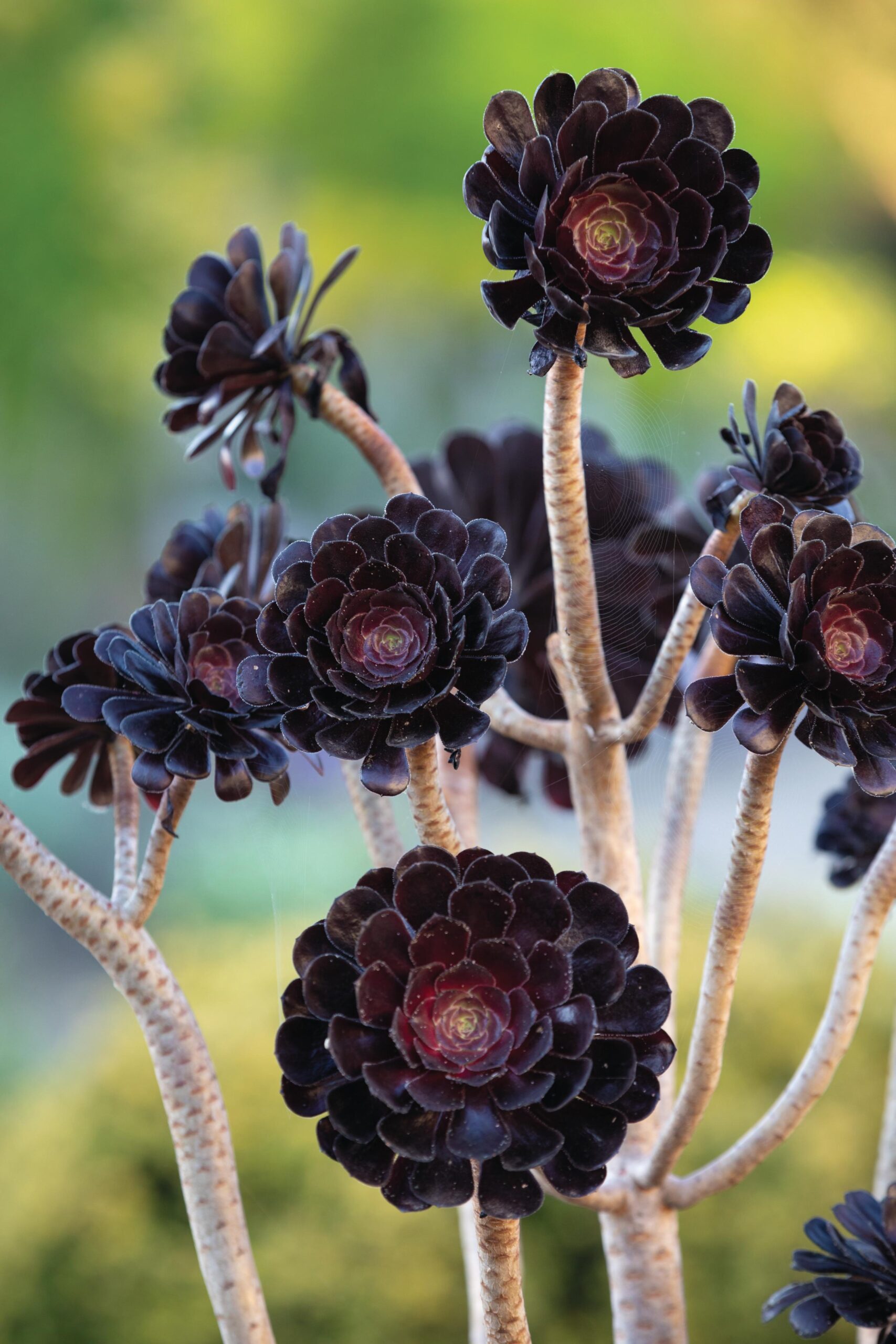
Aeonium plants have been some of my most rewarding—and yes, sometimes frustrating—plant companions over the past decade. These rosette-shaped succulents aren’t just pretty shelf décor; they have personalities, seasonal moods, and quirks that really demand your attention. If you want Aeoniums that don’t just survive but truly thrive, you’re in the right place. I’m sharing everything I’ve learned from managing dozens of Aeonium species across different climates, pots, and setups—warts and all. This isn’t your usual skimmed-over care sheet. It’s a hands-on, field-tested manual built for real-world success.

1. Understanding Aeoniums: More Than Just “Winter Growers”
Many guides say Aeoniums grow in winter and go dormant in summer—and while that’s basically true, it barely scratches the surface. I remember watching my first Aeonium arboreum look perfectly healthy in fall, then suddenly wilt by mid-July as if giving up on life. What was happening? Dormancy—a clever survival strategy where the plant shuts down growth to conserve water and energy during hot, dry months.
Why Aeoniums Are Different From Other Succulents
- Seasonal metabolism flip: Unlike many succulents that grow steadily year-round (think echeverias or aloes), Aeoniums bulk up during cool seasons and practically pause in summer.
- Water needs change drastically: Overwatering during dormancy kills them faster than almost anything else.
- Leaf texture matters: Their leaves are thinner and wax-coated rather than thick and fleshy; this means they lose water quickly if exposed to strong sun or dry wind.
- Species diversity influences care: From tree-like Aeonium arboreum to sprawling mats of Aeonium haworthii, knowing your species isn’t optional—it shapes everything from watering to placement.
Imagine trying to care for a tropical bush like a cactus—it just won’t work.
2. Location Is Everything: Light & Airflow
The first time I put an Aeonium near a south-facing window with no sheer curtain, its leaves scorched within days—bright indirect light is not a suggestion; it’s critical. Conversely, when I hid an ‘Aeonium kiwi’ in a dark corner for three months, it stretched into a gangly mess desperate for sunlight.
The Stretch Test: Your Plant’s SOS Signal
If your Aeonium’s rosettes start spacing out or elongating (a process called “etiolation”), it’s screaming for more light. Instead of blindly watering more or adding fertilizer (which won’t fix this), move it closer to an east-facing window or get a quality LED grow light like the Spider Farmer SF1000. In my experience, 5–6 hours under such lighting indoors keeps colors vibrant even through gloomy winters.
Why Air Circulation Matters
Aeoniums hate stagnant air nearly as much as soggy roots. I once battled mold creeping on leaf bases in a humid room until I introduced a small oscillating fan on low near the plants. Problem solved—fungal issues dropped dramatically.
3. Soil & Potting: My Secret Sauce For Healthy Roots
For years I killed plants with generic succulent mix despite careful watering because the soil stayed too wet too long. The breakthrough came when I switched to this gritty blend:
- 2 parts peat-free potting soil (avoid compost-rich mixes)
- 1 part horticultural pumice (better than perlite because it doesn’t float or dry too fast)
- 1 part coarse sand or crushed lava rock
This mix drains fast but holds just enough moisture—a perfect balance for Aeoniums’ shallow root systems. For a detailed guide to the best soil and fertilizer for healthy Aeonium growth, check out my full breakdown.
Terracotta Pots vs Plastic: Why It Matters
Plastic pots may be cheaper and colorful but trap moisture around roots longer than terracotta does. Switching to Classic Home & Garden terracotta pots gave my plants better drainage and airflow at root level—cutting root rot episodes by half in my collection.
4. Watering: Master “Dry First” Not “Rigid Schedule”
I’ve lost more Aeoniums following strict watering schedules than any other mistake combined. The golden rule? Let the soil dry completely between waterings—but what does that actually look like?
My Hard Lesson With ‘Zwartkop’
I watered one stubborn Aeonium 'Zwartkop' every 10 days during summer dormancy because “that’s what guides say.” Within weeks its leaves turned mushy black at the base—classic root rot signs.
I pulled it out, trimmed rotten roots carefully, repotted into dry fresh soil, then waited nearly three weeks before watering again—checking moisture daily with my Sonkir meter until new growth appeared after six weeks.
Lesson? Check soil moisture where roots live—not your calendar.
My Current Watering Routine:
- Fall/Winter/Spring (active growth): Deep soak every 7–10 days depending on dryness.
- Summer (dormant): Water every 3–4 weeks or less; often only once every two months indoors.
Before watering, test soil about 2 inches deep; if it's still cool or moist, wait longer—even if your calendar says otherwise.
5. Temperature & Humidity: More Flexible Than You Think
Initially, I thought Aeoniums needed strict temperature control between 65–75°F indoors. Over time though, I noticed they tolerate brief dips near 50°F fine if kept dry and away from drafts.
Humidity-wise? They prefer dry air but benefit from occasional misting during winter heating seasons when indoor humidity can drop below 20%. A simple humidity tray under pots works wonders without risking soggy roots.
6. Fertilizer: Less Is Definitely More
During active growth phases (fall through spring), I feed my Aeoniums lightly—half-strength balanced fertilizer (10-10-10) every four weeks works well.
I once tried full-strength feeding weekly to speed growth—it backfired spectacularly with leggy rosettes and pale leaves despite rapid size increase. Lesson learned: keep feeding light during growing season and stop completely during dormancy. For more on feeding and soil, see my best soil and fertilizer for healthy Aeonium growth article.

7. Propagation Without Hormones? Absolutely
Most tutorials push rooting hormones for succulent cuttings but honestly? Nature does better here:
- Cut healthy stem sections with at least two inches below rosettes.
- Let them callous over in shaded airy spots for 2–4 days.
- Plant in dry coarse mix; do NOT water immediately.
- Wait patiently—roots usually appear after about three weeks.
I’ve propagated ‘Kiwi’ and ‘Zwartkop’ dozens of times this way with about 90% success rates—and zero hormone powder ever used! For a step-by-step walkthrough, check out my how to propagate Aeonium plants successfully guide.
8. Pruning & Shaping: Sculpt Your Plant’s Personality
Aeoniums get leggy indoors or under low light fast. Prune elongated stems just above leaf nodes; given good conditions new shoots pop out within weeks.
Removing yellow or dead leaves isn’t just about looks—it keeps pests like mealybugs from settling into crevices where they hide and multiply unseen.
9. Real-Life Case Studies That Changed How I Care For Aeoniums
Case Study #1: Rescuing an Overwatered Aeonium arboreum
A friend gave me an overwatered arboreum stuck in plastic with heavy garden soil—brown mushy leaves everywhere. Repotting into terracotta pots with pumice-based mix plus moving it near an east window took three weeks before any sign of recovery showed up.
Within six months it shot up over two feet tall with multiple branches—a reminder that patience + proper environment beats quick fixes every time.
Case Study #2: Keeping ‘Zwartkop’ Vibrant Indoors Year-Round
This dark-leaved beauty loses its signature deep purple quickly under low indoor light alone. Supplementing natural daylight with an LED grow light set on timer for six hours daily preserved its color beautifully through gloomy winters when daylight was scarce.
10. Essential Tools & Resources That Save Time & Heartache
- Sonkir Soil Moisture Meter: My daily lifesaver for avoiding guesswork (~$12).
- Spider Farmer SF1000 LED Grow Light: Reliable indoor lighting solution.
- Classic Home & Garden Terracotta Pots: Durable, breathable containers.
- Pumice & Lava Rock: Available at local nurseries; much better than perlite for moisture control.
- Books: Debra Lee Baldwin’s Succulent Container Gardens is still one of the best succulent-specific resources beyond general advice.
11. Troubleshooting Quick Fixes From Experience
| Problem | Likely Cause | Fix |
|---|---|---|
| Blackened base & mushy stem | Overwatering/root rot | Stop watering; repot removing rotten roots; shade until recovered |
| Stretched rosettes | Low light | Move to brighter spot; prune leggy growth |
| Brown leaf edges | Sunburn or underwatering | Reduce direct sun exposure; increase watering carefully |
| Mealybugs/Aphids | Pest infestation | Dab alcohol on cotton swabs; insecticidal soap spray |
If you want to dive deeper into managing infestations and diseases, see my common pests and diseases affecting Aeonium plants article.
If you see something odd not covered here—or if things feel hopeless—don’t hesitate to ask experienced growers online or local experts before drastic measures!
Final Words — Mastery Comes With Patience And Flexibility
After years of trial and error—and yes, heartbreaks—with my beloved Aeoniums here’s what I’ve learned:
No single perfect formula exists because these plants respond heavily to microclimates around them—your home’s airflow patterns, sunlight angles throughout the day, pot materials—all matter deeply.
Don’t fall into rigid routines blindly; learn to read your plant’s signals above all else:
- Leaves turning translucent? Cut back watering immediately.
- Rosettes stretching out? It needs more light ASAP.
- Summer heat arriving? Slash watering drastically—often less than once a month indoors!
Mastering Aeoniums means mastering patience—a slow dance aligned with their natural rhythm rather than forcing them into human schedules.
So dig your hands into gritty pumice mix, feel those waxy rosettes between your fingers, watch your patience bloom into thriving green jewels that will surprise even seasoned succulent collectors.
You’ve got this—and trust me—the rewards are worth every moment of attentive care.
Bonus Mini Glossary For Beginners
Etiolation: Stretching of plant stems/rosettes due to insufficient light
Callous: Dry hardened end on cuttings before planting
Dormancy: Period when plant slows/stops active growth
Pumice: Lightweight volcanic rock used for drainage
Terracotta: Porous clay pot allowing airflow/drying
If any terms trip you up while caring for your Aeonium, come back here anytime!
More questions? Need help troubleshooting your unique setup? Don’t hesitate to reach out! Growing Aeoniums isn’t always easy—but with patience and attention they’ll reward you richly.


