Discover the Vibrant Beauty and Power of African Corn Lily Flower
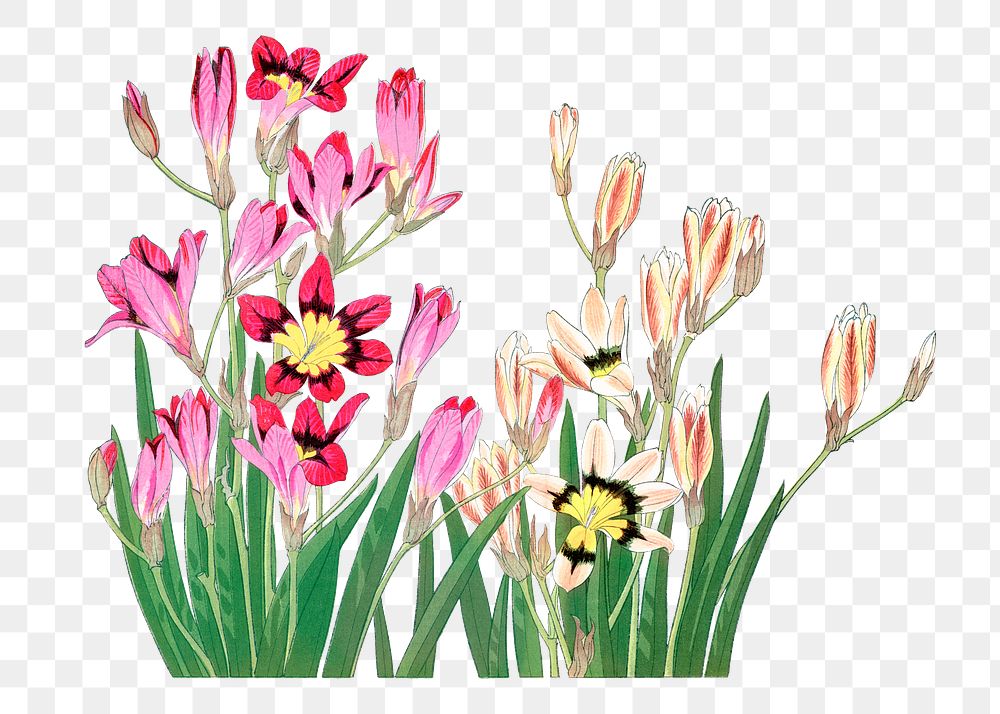
I still remember the first time I came across an African Corn Lily (Ornithogalum saundersiae) in a local botanical garden. It was late spring, and those tall, white star-shaped flowers catching the sunlight stopped me in my tracks. Everyone talks about this plant like it’s a delicate showpiece, but from my experience—it’s tougher than it looks, and also pickier than most guides let on.

Almost every article you find will say something like “plant bulbs in well-drained soil and water moderately.” Honestly? That advice is so vague it almost did more harm than good for me. I lost more bulbs following that “moderate watering” rule blindly than I care to admit. What really matters is how you define “well-drained,” and how you adjust watering based on your specific soil and climate. Let me break down what worked for me after quite a few failures.
Why “Well-Drained Soil” Isn’t Enough
When I started, I planted bulbs right into my garden bed, which has heavy clay soil. I added compost hoping to improve drainage, thinking that would be enough. Big mistake. Within weeks, half of my bulbs rotted underground—such a terrible smell of decay that made me dig everything up in frustration.
Here’s the deal: African Corn Lilies want drainage that’s almost sand-like. Compost adds nutrients but holds moisture in clay soils even longer—exactly what you don’t want. The trick? Either plant them in raised beds filled with a mix of 50% sharp sand and 50% loamy soil, or grow them in large pots with gritty cactus mix.
The following autumn, I switched to raised beds made from 40% horticultural grit (2-3 mm particles), 40% sharp builder’s sand, and 20% organic compost. This blend keeps moisture just right—not too wet, not bone dry—and that season all my bulbs survived without rot.
Forget “Moderate Watering”—Here’s What Actually Works
“Water moderately” sounds simple—but what if your climate goes from dry spells to sudden downpours? Here’s the schedule I settled into after losing whole batches:
- After planting bulbs in autumn, water once deeply to settle soil.
- When shoots appear (usually late winter), water once every 7–10 days, but only if there hasn’t been rain.
- Stop watering completely as soon as leaves yellow after flowering—that signals dormancy. Moisture at this stage invites rot.
- If you live somewhere with wet winters, cover your beds with plastic during heavy rains or grow bulbs in containers you can move indoors.
This strict routine saved me last year when an unexpected cold rain drenched everything—I lost zero bulbs compared to previous seasons.
Identifying African Corn Lily: Look Beyond the Flowers
Many people confuse Ornithogalum saundersiae with other Ornithogalum species like star-of-Bethlehem because they both have star-shaped white flowers. But here’s the dead giveaway:
- Bulbs are thick, firm, about 4–5 cm diameter.
- Stems grow tall—60–90 cm, noticeably taller than similar species.
- Leaves are long, strap-like with a glossy dark green sheen.
I once bought smaller bulbs by mistake—they bloomed but only grew about 20 cm tall and looked scraggly instead of elegant spikes. Lesson learned: always buy from trusted suppliers who clearly label O. saundersiae.
The Frost Myth: Handle With Care Below -2°C (28°F)
Most sources claim these bulbs tolerate mild frost—but here’s my warning: if temperatures regularly dip below -2°C (28°F), treat your bulbs as fragile guests.
I lost an entire patch one winter after leaving them uncovered during a surprise freeze at -5°C overnight. Since then, I mulch heavily with straw or bring potted bulbs indoors before frost hits.
My Garden Setup That Finally Worked
Last spring I built a small raised bed about 1m by 2m filled with:
- 40% horticultural grit (2–3 mm particles)
- 40% sharp builder’s sand
- 20% organic compost
Bulbs were planted 10 cm deep, spaced about 15 cm apart, pointed end up. The bed gets morning sun and dappled afternoon shade—a good mimic of their native South African grassland edge habitat.

By early June, stems shot up near 90 cm tall, topped with clusters of pure white stars that lasted over three weeks without fading or drooping. The setup cost around $30 but saved me hundreds in failed attempts over previous years.
Unexpected Uses & Cultural Tidbits
Beyond their beauty, African Corn Lilies hold symbolic meaning in South Africa—representing purity and renewal because their pristine white flowers emerge right after dry seasons.
A gardener friend pairs these lilies as vertical accents alongside drought-tolerant plants like lavender and rosemary—the contrast between aromatic greens and white blooms creates a sensory garden experience that’s both fragrant and visual.
Troubleshooting Cheat Sheet From My Experience
- Rotting Bulbs? Check drainage first! Repot or raise beds if soil stays soggy.
- No Blooms? Usually too much shade or overcrowding—thin plants or move them.
- Pests? Aphids love these—introduce ladybugs early or spray neem oil.
- Frost Damage? Mulch heavily or bring pots indoors when temps drop below freezing.
Quick Start Checklist for Growing African Corn Lily
- Choose sandy-loam or prepare raised beds with 40–50% sharp sand/grit mixed into soil.
- Plant bulbs pointed end up, about 10 cm deep and spaced ~15 cm apart.
- Water deeply once after planting; then water every 7–10 days only if no rain once shoots appear.
- Stop watering when leaves yellow after flowering (dormancy).
- Protect from frost below -2°C by mulching or moving indoors if potted.
Final Thoughts
If there’s one thing I want you to take away: African Corn Lilies aren’t “easy bulbs” you throw in dirt and forget about—they demand precise soil conditions and disciplined watering schedules many beginner guides skip over.
Treat their bulbs like delicate treasures needing airy, gritty homes underground—not just any garden dirt—and watch how they reward you with stunning blooms year after year.
Have you ever lost bulbs to rot and wondered why? Me too—that frustrating smell of decay is unforgettable! But once you nail drainage and watering exactness? It feels like winning the lottery when those tall white stars finally bloom beautifully.
Ready to give it a try? Start by ditching vague “moderate watering,” prepare gritty soil mixes, protect against frost—and don’t be discouraged by early failures; patience pays off big time here.
Your bulbs will thank you for it!
If you'd like, I can help draft a simple diagram or photo list next to this guide to make things even clearer!


