Growing African Daisy Flowers: Your Guide to Vibrant Blooms

African Daisy Flower (Osteospermum): Your Complete Guide to Growing Sunlit Joy
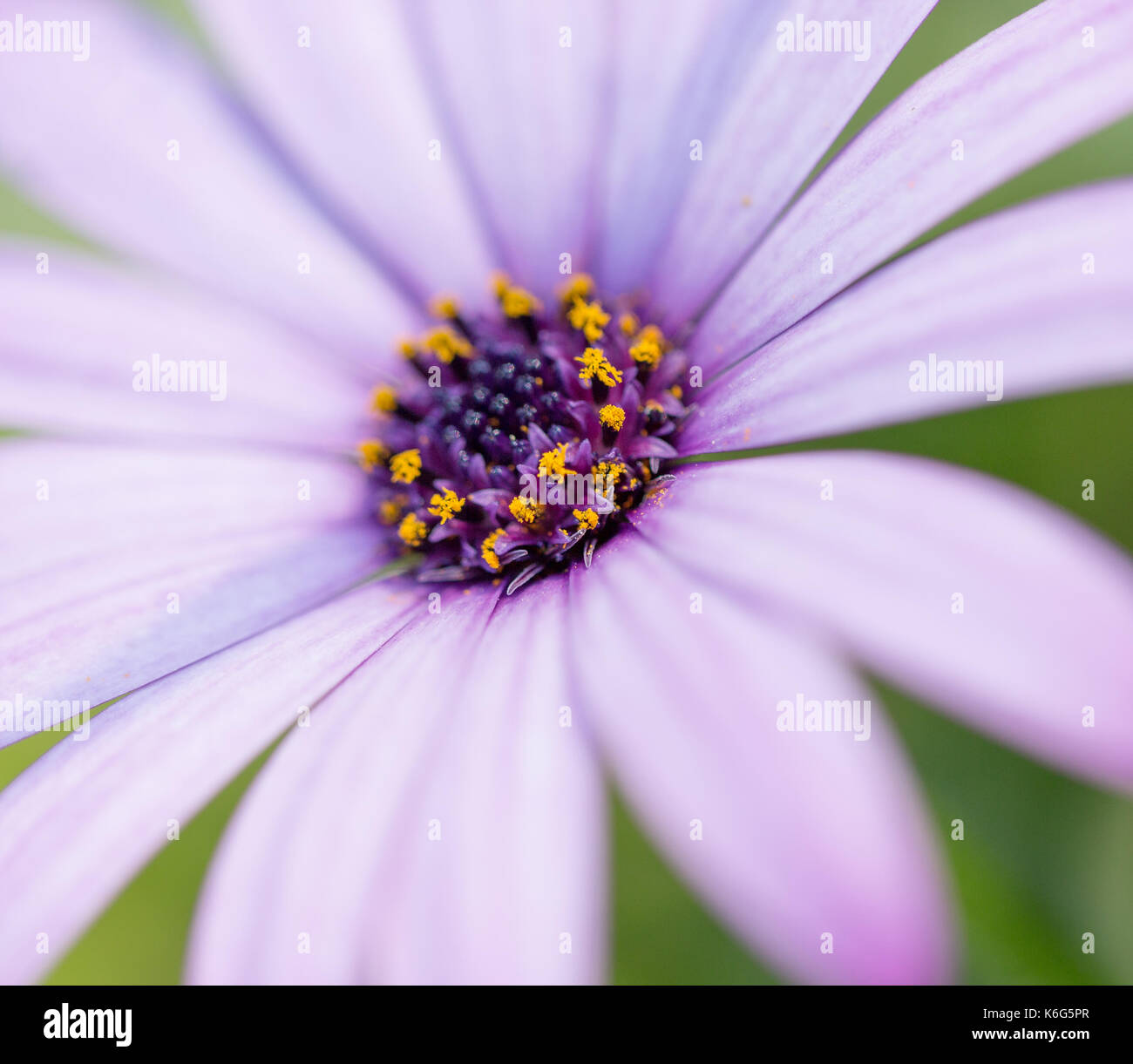
African Daisies—those radiant bursts of color that seem to capture sunshine itself—have been my gardening obsession for nearly ten years now. If you’ve ever admired their glowing petals and thought, “I wish I could grow these,” I’m here to tell you it’s absolutely possible—though not without a few lessons learned the hard way.
This guide is more than just a list of tips. It’s a journey through my successes, failures, and the surprising quirks that make Osteospermum (the African Daisy’s botanical name) such a rewarding challenge. By the time you finish reading, you’ll have clear, actionable steps and insider know-how to bring these sun-loving beauties into your garden or balcony.
1. What Makes African Daisies So Special? Beyond Just Being Pretty
When I first planted African Daisies in my Southwest garden (USDA zone 8b), I was hooked by their vibrant colors and those intense dark centers that almost seem to shimmer in sunlight. But there’s so much more going on beneath those petals:
- Native Roots: Osteospermum hails from South Africa’s Mediterranean climate, which means they adore heat and dry conditions.
- Unique Petal Magic: Their petals often look iridescent, shifting color subtly when the light changes—a little-known but stunning feature.
- Perennial or Annual?: In frost-free zones (9+), they can live for several years as perennials. Elsewhere, treat them like ambitious annuals or overwinter indoors.
- Size and Shape: Expect bushy plants about 1–1.5 feet tall and spreading up to two feet wide—more generous than many daisies.
- Drought Warriors: These flowers aren’t just drought-tolerant in theory—they’ll survive long dry spells better than many garden favorites.
If you’ve struggled with plants wilting under relentless sun or drying winds, African Daisies might just be your new best friend.
2. My Rocky Start: How I Nearly Lost My First African Daisies—and What You Can Avoid
I vividly remember my first attempt growing Osteospermum ‘Serenity’ from seed indoors. Eager but inexperienced, I kept the soil too wet—thinking extra moisture would help seedlings thrive—but mostly it caused rot before anything sprouted. Then planting them outside too early in March meant a nasty cold snap nearly wiped out the entire batch.
Here’s what I wish someone had told me then:
- Seed Starting Temperature: Keep seeds warm at about 70°F (21°C). Use a heat mat if you can—it really makes germination steady.
- Moisture Matters: Soil should be moist but never soggy; let excess water drain away quickly.
- Timing Is Everything: Wait until after your average last frost date to move seedlings outdoors. Patience pays off.
- Give Them Space: Plant seedlings at least 18 inches apart to ensure good airflow and reduce fungal risks.
Second time around? Using a heat mat and waiting until mid-April for transplanting gave me healthy plants bursting with buds within six weeks. The difference was night and day—and it still feels like magic every spring.
3. Water & Sunlight: The Real Deal You Won’t Hear Elsewhere
Everyone claims African Daisies love sun and tolerate drought well—and that’s true! But here’s the catch nobody mentions upfront: they hate inconsistent watering far more than dry soil.
Take my neighbor’s experience—she watered daily but had clay-heavy soil that trapped moisture near roots, causing root rot despite all her care. Meanwhile, I used a simple soil moisture probe (an Atree Soil Tester costs about $15) to check below the surface before watering.
My routine looks like this:
- Water deeply only when the top 2 inches of soil feel dry.
- During hot summer months, this usually means watering once or twice per week—not every day.
- Avoid light daily sprinklings; they encourage shallow roots and disease.
Sunlight is non-negotiable for these sun lovers:
- Aim for at least 6 hours of direct sun daily.
- Partial shade? Expect leggy stems reaching desperately for light and fewer flowers.
- Shady spots under trees or patios generally lead to disappointment.
If you’re thinking of growing them in containers indoors or on shaded balconies—think again unless you want sparse blooms. For a detailed guide to the ideal lighting and soil conditions, you can learn more about the best soil and sunlight conditions for African Daisy plants.
4. Deadheading & Pruning: The Secret Ritual That Keeps Blooms Coming
Deadheading—that is, removing spent flowers—is crucial but often done half-heartedly by gardeners who don’t realize how timing affects flower production.
Here’s what worked for me:
- Use sharp pruning shears (I swear by Fiskars) rather than pinching with fingers—for cleaner cuts and less plant stress.
- Snip faded flowers before seed pods form; this sends hormonal signals encouraging fresh buds quickly.
- Do this every 5–7 days during blooming season—you’ll notice more prolific flowering right away.
Mid-season pruning also changed the game:
- Around June-July, I cut back roughly one-third of branches on mature plants.
- This bold step promoted denser growth and triggered a second wave of blossoms later in summer.
Don’t be afraid to prune aggressively—it feels counterintuitive but trust me, your plant will thank you with color explosions.
5. Which African Daisy Should You Choose? Varieties That Shine in Different Settings
Not all Osteospermums behave alike—here are some varieties I’ve personally tested across climates and garden types:
| Variety | Description | Best For | Notes |
|---|---|---|---|
| ‘Serenity’ | Creamy white to pale pink blooms | Beginners & large beds | Forgiving; handles heat well |
| ‘Whirligig’ | Twisting petals; quirky appearance | Containers & pots | Needs regular pruning |
| Osteospermum ecklonis | Classic large flowers | Borders & mass plantings | Can get leggy without pinching |
| ‘Soprano’ | Compact, tidy bush | Small pots & balconies | Great for tight spaces |
If you’re just starting out, ‘Serenity’ has been my reliable go-to—survived our scorching summer last year while others faltered. For a closer look at the unique features of different types, check out this popular varieties of African Daisy and their unique features.
6. Soil Secrets: Why Good Drainage Trumps Everything Else
In my earliest attempts on clay-heavy soil beds, African Daisies looked droopy no matter how much sun or water they got. The breakthrough came when I mixed two inches of coarse sand thoroughly into the top foot of soil—a simple fix that improved drainage dramatically within three weeks.
Good drainage means:
- Roots don’t sit in waterlogged soil that invites rot.
- Plants develop deeper roots able to access moisture better during dry periods.
For container gardeners:
- Use cactus/succulent potting mix blended with perlite or coarse sand instead of generic potting soil.
One time I planted Osteospermum ‘Whirligig’ in standard potting mix—it drowned after heavy rain despite bright sun because water lingered too long around roots.
Remember: A well-drained bed is worth double your watering efforts! For more on this topic, you can learn more about the best soil and sunlight conditions for African Daisy plants.
7. Pest Patrol & Disease Defense: Winning Without Chemicals
While tough overall, African Daisies aren’t immune:

Aphids
One spring on my balcony pots, tiny green aphids showed up out of nowhere—clusters so small they felt almost invisible until damage appeared fast.
What helped?
- Spray affected plants firmly with lukewarm water daily for three days straight—to physically remove aphids.
- Release ladybugs from an organic supplier (about $15 covered ten pots)—a natural predator feast!
- Monitor weekly after treatment; aphids rarely return if controlled early.
Powdery Mildew
After an unusually humid August with crowded plants lacking airflow, powdery mildew appeared as white fuzz on leaves.
How I fixed it:
- Prune plants early morning to thin growth and increase airflow immediately.
- Apply neem oil spray every seven days until clear (usually two applications suffice).
- Remove heavily infected leaves carefully—not composting them—to avoid spread.
Regular inspection is key—you catch problems early before they become disasters. For a comprehensive overview, see my common pests and diseases affecting African Daisy flowers.
8. Overwintering Tips: Keeping Your Perennials Alive Through Frosty Nights
In zone 8b where mild winters still bring surprise frosts, I learned some tough lessons:
Leaving potted ‘Soprano’ plants outside through December led to rapid browning overnight after temps dipped below freezing (-2°C). After that shock:
- I bring all containers indoors by November end.
- Place near south-facing windows where daytime temps hover around 65°F (18°C).
Alternatively,
- Take semi-hardwood cuttings late fall; root them under fluorescent lights indoors over winter for fresh starts next spring without seed hassle.
For colder zones (<9):
Treat Osteospermum as annuals or become a propagation pro using cuttings—a reliable way to keep favorite varieties year after year without buying new plants every season.
9. Step-by-Step Action Plan: From Seedling To Blooming Glory
Ready to grow your own burst of sunshine? Here’s a clear path based on years of trial-and-error:
- Choose Your Variety: Beginners start with ‘Serenity’ or ‘Soprano.’
- Seed Starting: Sow seeds indoors ~8 weeks before last frost date at ~70°F using moist (not wet) seed mix; use bottom heat if possible.
- Transplant Timing: Move seedlings outside only after last frost; space plants about 18–24 inches apart for airflow.
- Soil Prep: Amend heavy soils with coarse sand or organic matter for drainage; use cactus mix + perlite for containers.
- Watering Routine: Check moisture below surface before watering; water deeply only when top 2 inches dry; avoid daily shallow watering.
- Sunlight: Plant where they get full sun minimum six hours daily—no shortcuts here!
- Maintenance: Deadhead spent blooms weekly using sharp shears; prune back one-third mid-season (~June/July).
- Fertilizing: Apply slow-release balanced fertilizer monthly or occasional light liquid feeds during growing season.
- Pest Monitoring: Inspect weekly; use water sprays + ladybugs for aphids; neem oil against powdery mildew as needed.
- Winter Care: Bring containers inside before frost; take cuttings late fall if overwintering indoors isn’t an option.
Celebrate each bloom—you’re nurturing something special!
Bonus Section: Troubleshooting Common Challenges
Problem: Few Flowers Despite Good Care
Possible causes:
- Not enough sunlight (<6 hours)
- Over-fertilizing nitrogen-rich feeds causing lush leaves but few blooms
Fix:
Use balanced fertilizers with equal NPK ratio (10-10-10), ensure full sun exposure
Problem: Leggy Plants Stretching Thin
Cause:
Too little light or overcrowding
Fix:
Thin seedlings early; relocate to sunnier spot
Problem: Yellow Leaves
Causes:
Overwatering or poor drainage
Fix:
Check soil moisture levels carefully; amend soil if necessary
Final Thoughts: Why African Daisies Are Worth Every Scratch—and Smile
Gardening is messy sometimes—I’ve battled wilted leaves at dawn while mosquitoes feasted on me, cursed stubborn clay soils that refused mercy—and yet each challenge deepened my love for Osteospermum’s fiery spirit.
These flowers teach patience more than most—they reward careful listening to nature’s rhythms rather than rushing perfection from day one.
So why not join me? Plant those seeds or pot those transplants today knowing there will be missteps—but also moments when your garden literally glows under blazing blue skies thanks to these dazzling daisies.
If you want detailed help picking cultivars suited exactly for your climate zone or step-by-step propagation guides tailored for your setup—including photos and timelines—I’m happy to share everything I've learned through blood sweat dirt—and yes—the occasional tear!
Happy growing—and may your garden shine bright all summer long!
Want printable quick reference sheets on watering schedules, pruning timing, or pest ID? Just ask—I’ll whip those up next!
P.S. Don’t forget—the best gardens come from trial as much as triumph—and every faded bloom cleared away is simply making space for another glorious one tomorrow!


