Discover the African Fan Palm’s Natural Habitat and Range Today!

Natural Habitat and Geographic Distribution of the African Fan Palm (Borassus aethiopum)
When I first set out to understand the African Fan Palm, I was expecting to find it nestled deep in tropical rainforests—like so many guides suggested. But after several trips across West and Central Africa, boots muddy from savanna soils rather than rainforest leaf litter, I learned a very different story. This palm isn’t a shy understory dweller; it’s an open-land survivor, tough as nails. For a more detailed look at its growth and care, check out this comprehensive guide to African Fan Palm growth and care.
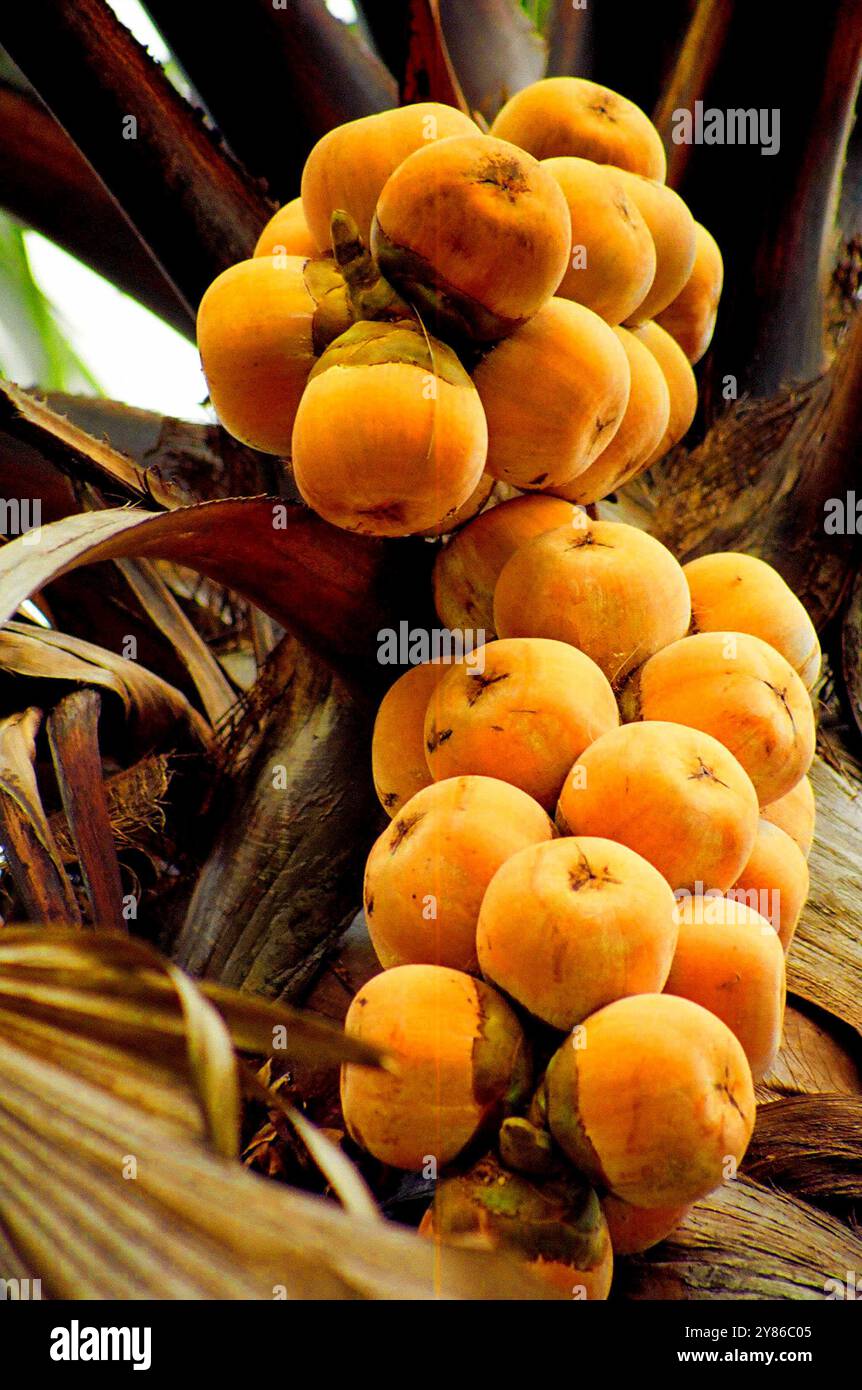
Where Does the African Fan Palm Really Grow?
Forget dense jungles. Borassus aethiopum thrives in savannas and open woodlands, landscapes defined by alternating wet and dry seasons. Picture wide-open grasslands dotted with scattered trees under big blue skies—that’s its stage. In northern Ghana, for example, these palms stand tall in sun-drenched plains where rainfall is seasonal but reliable enough to keep them going.
One thing that surprised me early on: this palm’s thick trunk acts like a natural water reservoir, storing moisture during dry spells. It’s built to handle the drought cycles that would stress many other plants—and yet it can’t tolerate swampy conditions or heavy clay soils that trap water and rot its roots.
For more on how to nurture this species in various environments, see the complete overview of African Fan Palm growth and care.
How Wide Is Its Range?
The African Fan Palm covers a surprisingly broad swath of Africa—from Senegal in the west all the way to northern Tanzania in the east. In Senegal’s Sahelian zones, I found them growing near millet farms; in Uganda and northern Tanzania, they mingle with Miombo woodlands. Early reports limiting its range mostly missed this bigger picture.
But here’s a nuance worth noting: while it adapts to various soil types—from sandy loams to lateritic clays—the soil must drain well. You’ll often see these palms lining rivers or clustered where drainage prevents root rot. Their distribution isn’t random; it's an ecological strategy shaped by their needs.
Altitude Limits Matter More Than You’d Think
At first, I assumed altitude didn’t matter much if temperature and rainfall were suitable. Nope. Borassus aethiopum usually stays below about 1,000 meters (3,300 feet) elevation. Above that, cooler temperatures slow growth or halt it entirely.
I learned this the hard way during a restoration project on Cameroon’s highland slopes—seedlings just wouldn’t take off despite perfect soil chemistry. So if you’re planting or conserving these palms, keep elevation in mind—it can make or break your efforts.
Climate and Soil: What Does This Palm Actually Need?
- Temperature: Ideally between 20°C and 35°C (68°F–95°F) year-round. Too cold? Growth stalls. Too hot? Stress sets in.
- Rainfall: Seasonal rains are crucial—dry periods are fine if wet seasons follow promptly. Constantly soggy conditions lead to root rot.
- Soil: Prefers well-drained sandy-loam or lateritic soils; heavy clay soil is almost always fatal.
- Sunlight: Loves full sun or light shade but avoids dense canopy cover.
During one trip along Benin’s riverbanks, I noticed how palms thrived on slightly raised ground where water drained quickly after rains—but disappeared entirely where water pooled for days. This ability to thrive in certain soil and moisture conditions also influences its vulnerability to pests and diseases, which can vary depending on habitat. For insights into these challenges, see common pests and diseases affecting African Fan Palm.

Local Knowledge Beats Many Textbooks
Talking with farmers and pastoralists brought insights textbooks often overlook:
- In Benin, locals told me how African Fan Palms cling to river edges, stabilizing banks against erosion—a vital ecosystem service rarely highlighted in scientific papers.
- In Ghana's savannas, pastoralists prize these palms because their shade offers cattle relief during scorching dry seasons while their fruit feeds both humans and livestock.
These relationships reflect deep ecological knowledge passed down over generations—knowledge that can guide effective conservation and agroforestry projects. For a deeper understanding of the cultural and economic importance of this palm, explore the economic and cultural uses of the African Fan Palm.
Clearing Up Common Confusions
- Is Borassus aethiopum native throughout this huge range? Yes. Unlike some ornamental palms introduced elsewhere, this species is indigenous wherever it grows naturally.
- How drought-tolerant is it? It handles seasonal droughts well by storing water but can’t survive prolonged desert-like dryness.
- Is its range shrinking? Sadly, habitat loss from farming expansion and urban growth threatens pockets of its habitat—but large areas remain stable where natural ecosystems persist.
- Similar species? Don’t confuse it with Borassus flabellifer, the Asian fan palm—they look alike but have different ecological needs and distributions.
Why Knowing This Changes Everything
If you’re involved in restoration ecology or agroforestry planning involving Borassus aethiopum, getting these habitat details right is crucial:
- It helps you focus conservation efforts on real priority zones—not outdated maps.
- You can anticipate its role in ecosystems better—for example, as a natural riverbank stabilizer.
- Choosing sites wisely increases your chances of successful planting—no more guessing games.
- Understanding climate limits prepares you for managing future changes caused by shifting weather patterns.
Practical Next Steps — What You Can Do Now
- Consult detailed regional botanical surveys, like those from Royal Botanic Gardens Kew or local African universities—they often have updated distribution maps you won’t find elsewhere.
- If possible, visit savannas and riverine woodlands yourself—there's no substitute for seeing these palms thriving (or struggling) firsthand.
- Use tools like Google Earth combined with climate overlays to scout likely habitats before investing resources.
- Connect with local conservation groups working on native tree restoration—they hold invaluable real-world knowledge about current distributions.
- When planting or restoring populations:
- Stick to lowland areas below 1,000m elevation
- Choose well-drained sandy or lateritic soils
- Ensure seasonal rainfall patterns exist
- Avoid shady forest interiors
Final Thoughts
The biggest lesson? The African Fan Palm isn’t just another tropical tree craving shade and humidity—it’s a tough survivor shaped by open landscapes with fluctuating moisture levels.
Getting past myths about where it grows doesn’t just fill trivia gaps; it transforms how we conserve this remarkable species and appreciate its place within Africa’s ecosystems.
If there’s one thing I hope you take away: listen closely to the land—and the people living there—and you’ll discover the true home of this incredible palm far beyond what any textbook might tell you.
Feel free to ask if you want tips on identifying seedlings or advice on integrating Borassus into agroforestry systems—I’ve learned plenty through trial and error!


