African Holly Shrub Care: Simple Tips for Healthy Growth

When I first brought home a Viburnum tinus—commonly called the African Holly Shrub—I thought, “This is going to be easy.” The nursery promised low maintenance and year-round greenery, perfect for my Mediterranean-style garden. But just weeks later, I was staring at droopy branches, yellowing leaves, and hardly any flowers. At one point, I seriously wondered if I’d bought a dud.
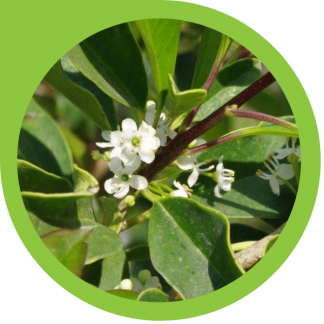
Turns out, I’d made a classic rookie mistake: planting it straight into heavy clay soil with poor drainage and squeezing it into a tight corner with barely any airflow. Sound familiar? If so, you’re not alone.
Here’s the honest truth from someone who’s been there more times than I care to admit: African Holly Shrub is tough—but only when you get the basics right. And those basics? Non-negotiable soil drainage and good air circulation. Skip those, and you’ll waste time, money, and patience.
Why African Holly Shrub Is Worth It—If You Nail These Essentials
Viburnum tinus isn’t just another evergreen shrub. It has glossy dark green leaves that catch winter sunlight beautifully, clusters of delicate white to pinkish flowers in late winter or early spring, and striking blue-black berries that birds love. It’s perfect for hedges or borders when you want something structured but fuss-free.
But here’s what most guides won’t shout from the rooftops: this shrub only thrives where water doesn’t pool and air moves freely around it. Ignore that advice, and fungal diseases or root rot will sneak in faster than you expect—draining your enthusiasm (and your wallet).
How to Plant and Care for African Holly Shrub Without Losing Your Mind
1. Soil & Location: Get This Right First
My first mistake was planting mine in a low spot with dense clay soil. Within six weeks, leaves yellowed and curled up like autumn ghosts. Lesson learned: African Holly needs well-drained soil—no exceptions.
If your garden soil feels like pudding after rain (you know the kind that sticks to your boots), don’t plant directly there. Instead, build a raised bed or mound. For my second attempt, I mixed native soil with about 6 inches of grit (think coarse sand) and organic compost on a gentle slope—and boom! The shrub took off.
Airflow matters just as much as drainage. One shrub jammed against my fence developed powdery mildew despite every spray I tried. After moving future plants at least 4 feet apart and away from walls, disease disappeared completely. Think of it as giving your shrub room to breathe—it hates feeling suffocated.
2. Watering: Deep Beats Frequent
Most guides say “water regularly,” which is pretty vague—and often wrong if you’re shallow watering daily like I did at first. One summer my Viburnum wilted badly despite daily watering.
The fix? Deep soak once or twice a week during dry spells encourages roots to grow deep instead of hanging out near the surface where they dry out fast. It feels counterintuitive but trust me: deep watering wins every time over light sprinkles.
3. Pruning: Keep It Light
I once went overboard pruning after flowering in autumn—big mistake! The next season’s blooms dropped drastically.
A light trim right after flowers fade in spring is all you need to keep your shrub neat and encourage bushier growth without stressing it out.
4. Feeding: Simple but Effective
African Holly isn’t starving but feeding helps it look its best. A balanced slow-release fertilizer in early spring plus an annual mix-in of homemade organic compost works wonders—no fancy formulas necessary.
What My Garden Experiments Taught Me
I planted three Viburnum tinus shrubs around my property:
- Sunny south lawn: After improving soil with grit and compost plus giving each shrub 4-foot spacing, this one exploded with dense foliage and flower clusters every winter.
- Shady north wall: This one got leggy over two seasons with fewer flowers—especially when I skipped pruning.
- Clay-heavy backyard dip: Despite careful watering, root rot set in within 12 months; eventually had to remove it.
Takeaway? No amount of fertilizer or sprays can save a poorly placed plant.

Troubleshooting Tips From Real Experience
- Yellow Leaves: Usually soggy roots from poor drainage or inconsistent watering. Before adding more water, stick your finger 3 inches into the soil—if it still feels moist, hold off.
- Sparse Flowers: Often caused by too little sun or pruning at the wrong time (like fall). If possible, move plants or prune lightly immediately after flowering.
- Fungal Diseases: Powdery mildew loves stagnant air spots. Thin branches gently or space plants wider to improve airflow.
- Pests: Aphids and spider mites target stressed shrubs; neem oil applied early usually keeps them in check before infestations explode.
Why Airflow Saved Me $50+ in Replacement Plants
At first, I shoved two shrubs between my fence and garage wall with zero breeze passing through—and lost both within a year despite all care efforts.
When replacements got planted with at least 4 feet clearance all around? Diseases vanished fast; flowering visibly improved too.
Why? Thick foliage traps moisture if air can’t circulate—perfect conditions for fungi that no spray can fix long term.
What I'd Tell Anyone Trying This for the First Time
Focus obsessively on site selection first—soil drainage and airflow trump everything else combined.
Spend an afternoon testing garden spots after rain (dig holes to see how fast water drains) and watch airflow throughout the day (look for fluttering leaves).
Water deeply twice weekly during dry spells for the first two growing seasons—not shallow daily watering that keeps roots lazy near surface.
Prune lightly right after flowering yearly; avoid drastic cuts outside this window unless absolutely necessary.
Lock down these three pillars—location, watering style, pruning timing—and African Holly will reward you with glossy leaves, winter blooms, and wildlife-friendly berries year after year without drama.
Your Simple Action Plan
- Scout multiple garden spots after rain; pick one with quick drainage and visible air movement (leaves fluttering is a good sign).
- Build raised beds or mounds mixing native soil with equal parts organic compost plus coarse sand or grit for drainage improvement.
- Space each Viburnum tinus shrub at least 4 feet apart from others and structures.
- Water deeply twice a week during dry periods for at least two years while roots establish themselves deeply.
- Mark your calendar for light pruning right after flowers fade each spring (avoid heavy pruning elsewhere).
- Apply balanced slow-release fertilizer once annually in early spring plus add organic compost yearly to feed naturally.
Follow these steps carefully—you’ll skip costly mistakes that took me years to figure out!
If things still seem tricky or problems persist despite this care routine? Don’t give up! Sometimes pests need extra attention; sometimes microclimates vary even within a single yard (I’ve moved plants around three times myself). Feel free to ask about companion planting ideas or seasonal tweaks—I’ve got decades of scars turned into wins ready to share!
Remember: gardening is part science, part patience...and plenty of trial-and-error laughs along the way.
You’ve got this!


