African Mallow Shrub: Growth Patterns and Ecological Impact Analysis

When I first got my hands on an African Mallow Shrub (Anisodontea capensis), I thought I had it all figured out: full sun, daily watering, and regular pruning. Spoiler alert — that routine nearly killed the poor thing. It became leggy, weak, and barely flowered. Everything I’d read about “constant moisture” and “prune hard for growth” turned out to be totally wrong for this South African marvel. What I learned after months of trial and error is that African Mallow thrives on a kind of tough love—not coddling.
Here’s What Nobody Tells You Upfront
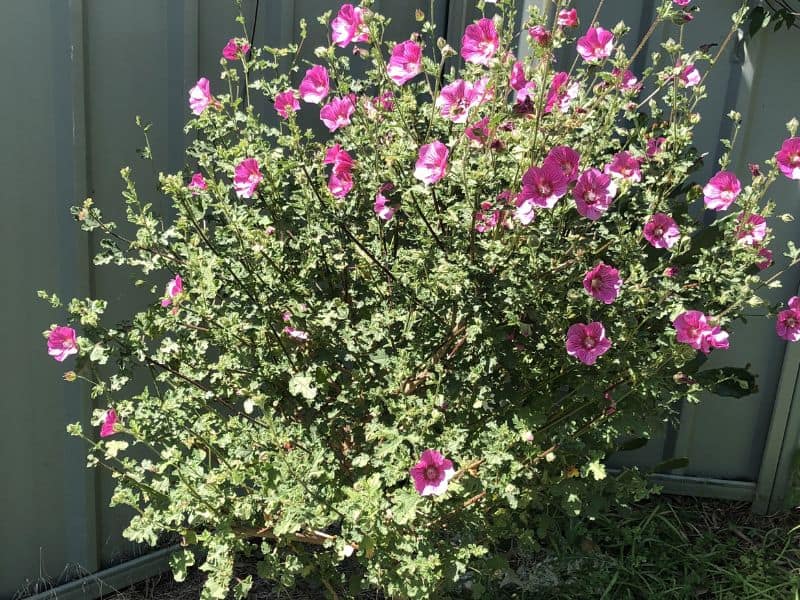
African Mallow isn’t your typical thirsty shrub. It’s a survivor with a strong personality. Treat it like a delicate tropical plant and you’ll get stressed leaves and root rot. But treat it like a hardy Mediterranean shrub that likes to dry out between drinks? You’ll be rewarded with vibrant pink blooms that look like little hibiscus stars dancing in the breeze.
Why Give African Mallow Some Respect?
This isn’t just another pretty face in the garden. Native to South Africa, this shrub punches way above its weight when it comes to versatility and toughness. Perfect for garden borders, rockeries, or even sunny balcony pots (yes, pots!). When I squeezed mine into a tight container on my small balcony, I half-expected it to sulk. Instead? It flourished and attracted bees and butterflies like crazy.
One winter, after an unexpected cold snap here in zone 9b, I thought my plant was toast. But thanks to its natural grit—and a bit of protective fleece—it bounced back stronger than ever the next spring. That bounce-back ability is huge if you live somewhere frost sneaks in.
How to Identify Your African Mallow: Don’t Skip the Leaf Test
If you’re hunting down Anisodontea capensis, don’t just eyeball the flowers—check those leaves closely. They’re fuzzy with soft scallops that look like tiny maple leaves but feel velvety soft. Trust me, leaf texture is your best friend here.
I once bought what I thought was African Mallow at a discount nursery only to find out weeks later it was a different mallow species with rougher leaves and very different care needs. That mistake cost me time rewiring my watering schedule.
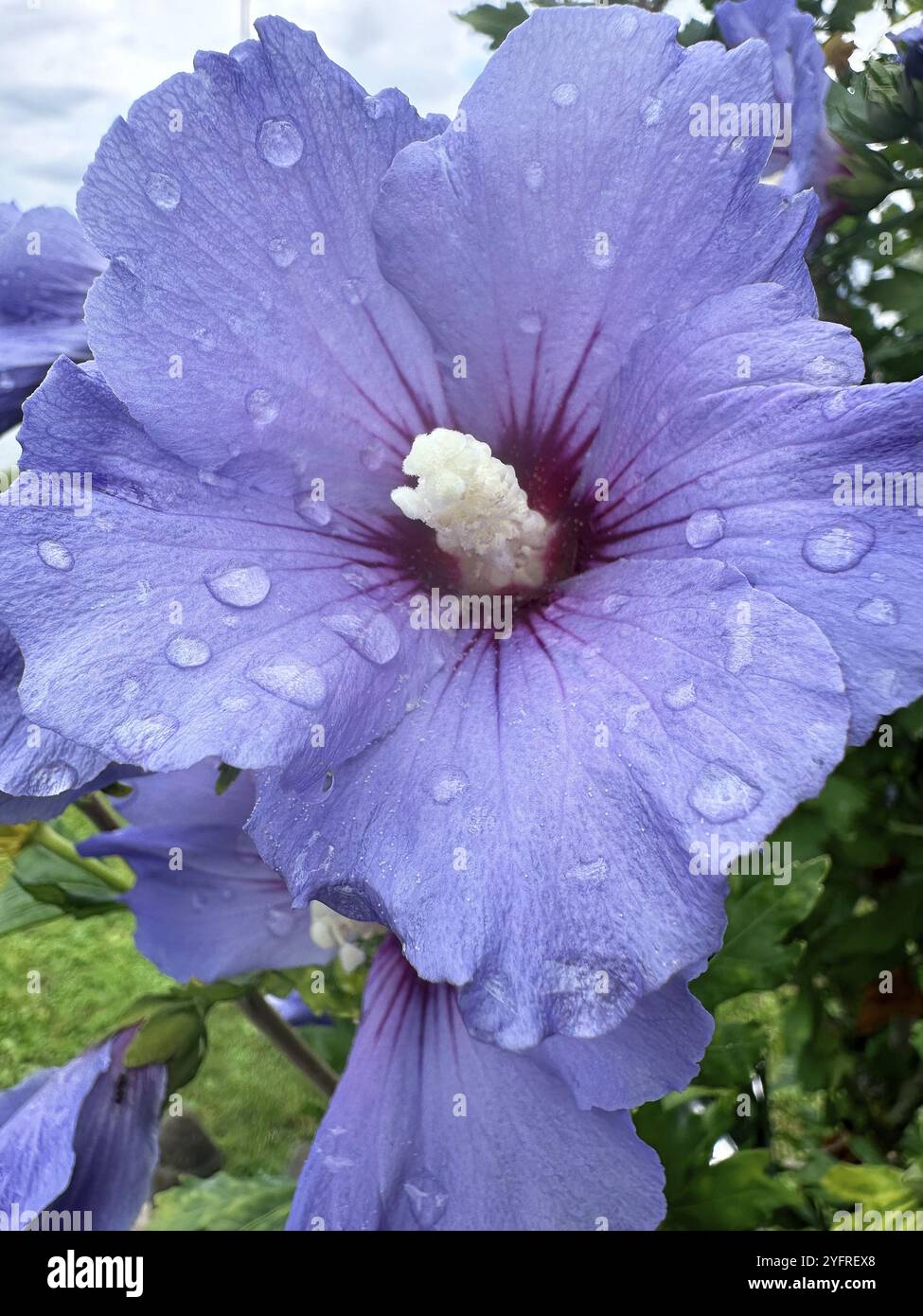
Flowers are trumpet-shaped in shades from soft mauve to deep rose with darker veins fanning out from the center—almost like nature’s own stained glass windows. If you’re unsure, touch the leaf surface; it should feel unmistakably plush.
Watering: The Less-Is-More Rule
Everyone says “keep soil moist,” but here’s where I push back: African Mallow hates sitting in wet soil more than anything else. Overwatering led me into a frustrating spiral of root rot—yellowing leaves, wilting despite soggy soil—all classic signs I ignored early on.
Instead, I switched to watering only when the top inch of soil was dry—sometimes every 5–7 days depending on heat and pot size. This simple change transformed my plant from weakling to showstopper within six weeks.
If your plant gets leggy (a common problem), it might be begging for less water and more light—not more fertilizer or heavier pruning.
Pruning: Keep It Light
Contrary to many blogs preaching harsh pruning to “stimulate bushiness,” my experience says this: light pruning right after flowering is enough—just snip the longest shoots about an inch or two back.
I learned this the hard way after heavy pruning one spring hoping for extra blooms; instead, my plant sulked for weeks and delayed flowering significantly. Since then, gentle snipping has kept my shrub full without stress.
Propagating African Mallow: Patience Is Key
People often ask how to propagate this shrub successfully. Forget fast-paced YouTube tutorials promising roots in 2–3 weeks—my first batch took almost 7 weeks before roots appeared.
Here’s what worked best for me:
- Take healthy semi-hardwood cuttings (4–6 inches long) in late summer.
- Strip lower leaves but leave two or three at the top—not more.
- Dip ends in rooting hormone powder (I swear by Hormex).
- Plant in a mix of perlite and peat moss.
- Keep cuttings in indirect light and mist regularly.
The secret? Patience—and labeling your cuttings! Once I mixed up batches and ended up nurturing mystery plants that weren’t mallows at all—lesson learned!
Pest Patrol & Common Challenges
Aphids and spider mites sometimes try their luck but neem oil sprays keep them away without harsh chemicals.
Root rot remains the #1 threat if you ignore drainage or overwater (been there!). Use sandy or loamy soil rich in organic matter; clay-heavy soils are death traps unless heavily amended.
Leggy growth usually signals too little light or overwatering rather than lack of fertilizer or pruning.
Beyond Beauty: Unexpected Perks
Here’s something cool not many mention: besides being gorgeous and pollinator-friendly, some South African communities use parts of this shrub medicinally—for coughs or skin irritations. Not saying you should DIY herbal remedies without research—but kind of fascinating how this plant carries traditional wisdom alongside its charm.
Also great news if you have pets—it’s non-toxic according to multiple sources—so curious cats can sniff away safely.
My Year-Round Care Routine (What Works For Me)
After losing one mature shrub overnight to unprotected frost (rookie mistake!), I became religious about these habits:
- Deep but infrequent watering; always let soil dry out between sessions.
- Balanced liquid fertilizer every 4–6 weeks during growing season.
- Light pruning twice yearly right after flowering fades.
- Mulch around base—but keep mulch away from stems.
- Protect container plants indoors or cover outdoor shrubs with garden fleece before frost hits.
This routine turned my awkward starter shrub into a centerpiece stealing attention every summer.
Quick Start Checklist for African Mallow Success
Do:
✔ Give full sun (at least 6 hours/day)
✔ Water only when top inch of soil feels dry
✔ Use well-draining sandy or loamy soil
✔ Prune lightly right after flowering
✔ Fertilize moderately every 4–6 weeks during growing season
✔ Protect from frost with fleece or bring indoors if potted
Don’t:
✘ Overwater or let soil stay soggy
✘ Heavy prune expecting instant bushiness
✘ Assume all mallows have same care needs—check leaf texture!
✘ Plant in heavy clay soil without amending
Final Thoughts Before You Dive In
If you’re starting fresh with African Mallow, don’t treat it like your usual high-water-demand flower bush. Embrace its rugged charm by watering sparingly, pruning lightly, and giving it plenty of sun and airflow.
Your patience will pay off with bursts of starry pink flowers swarming happy pollinators—and honestly? That feeling makes all those early mistakes totally worth it.
Have you ever overwatered a plant until it looked ready to die? Me too! But give African Mallow a chance—it bounces back better than expected if you listen closely (and don’t smother it).
Dive in curious but careful; this resilient South African treasure will surprise you with its beauty and toughness alike!


