African Mask Plant Care: A Simple Guide from Real Experience

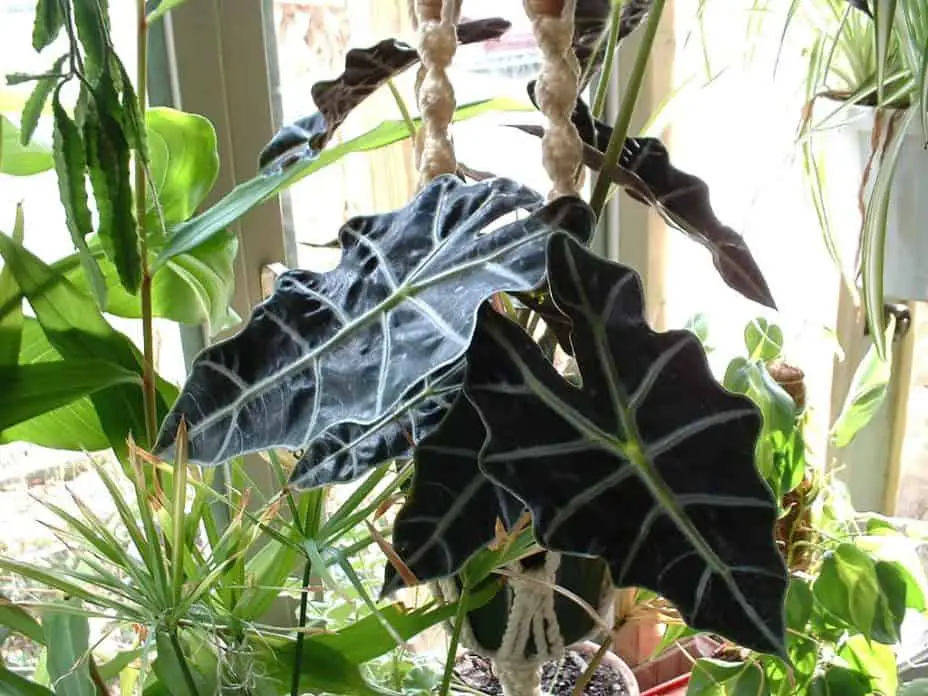
Walking into a room and spotting an African Mask Plant (Alocasia amazonica) feels like discovering a living piece of art—a bold contrast of deep green leaves etched with striking white veins, shaped like arrowheads or tribal warrior masks. But don’t be fooled by its beauty; this plant has a personality all its own, often challenging even experienced growers with its particular needs.
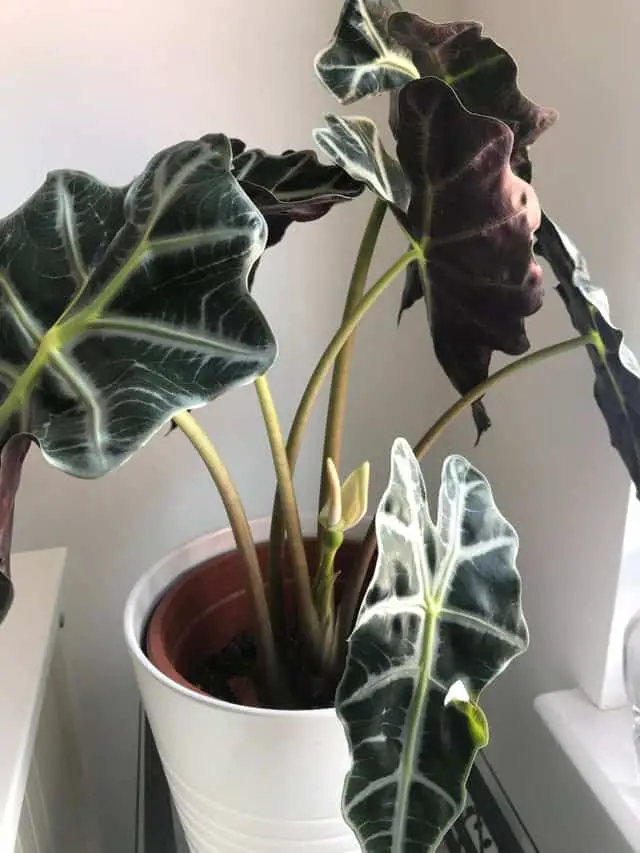
I’ve been growing African Mask Plants since 2013, and let me tell you, it wasn’t love at first sight. Between leaf browning and mysterious slow growth, I had to learn the ropes the hard way—through trial, error, and plenty of patience. Over time, I gathered insights that go far beyond typical “water once a week” advice. This guide is my way of sharing everything I’ve learned so you can skip some of the headaches and enjoy your plant thriving.
1. What Is the African Mask Plant? Origins and Identity
First off: despite the name, the African Mask Plant isn’t from Africa. It’s actually a hybrid developed from Southeast Asian Alocasia species, carefully bred for those bold white veins that look like tribal art masks—hence the nickname.
These plants are rainforest natives that grow in humid understories with dappled light and warm temperatures year-round. Indoors, they generally reach 2 to 3 feet tall if happy. Their rhizomes—the thick underground stems—form clumps that slowly spread over time.
One thing I quickly learned is their leaves are tougher than they look but surprisingly delicate compared to easier tropicals like pothos or snake plants. A careless brush can bruise or tear them easily.
When I brought home my first Alocasia amazonica back in 2013, I was captivated by its sculptural leaves but baffled by constant leaf tip browning and stunted growth for months. Only after tweaking watering routines carefully and boosting humidity did the plant finally start behaving like a tropical superstar.
2. The Care Blueprint: How to Keep Your African Mask Plant Happy
Here’s where most people get tripped up—but don’t worry, this step-by-step plan will guide you through what works:
Step 1: Light — Bright Indirect Is Key (But No Sunburns!)
The African Mask Plant loves bright, indirect light but absolutely hates direct sun. I place mine near an east-facing window filtered with sheer curtains—that gives just enough brightness without any scorching.
In winter when natural light drops, try supplementing with a grow light—my go-to is a GE LED Grow Light Bulb set for about 6 hours daily. Within two weeks of starting supplemental lighting last winter, my plant's leaves grew deeper green and sharper veining popped out visibly.
If your plant’s leaves look pale or leggy, low light might be the culprit. For a detailed guide to optimizing your plant’s environment, check out the ideal lighting and soil conditions for African Mask Plant growth.
Step 2: Soil & Potting — Aeration Saves Roots
Root rot silently kills Alocasias. My first plant died because I used plastic pots without drainage holes—rookie mistake! Now I use terracotta pots for their porous sides and multiple drainage holes to keep excess moisture moving away from roots.
For soil, my favorite mix is roughly equal parts Espoma Organic Cactus Mix, perlite, and orchid bark. This mimics the airy rainforest floor while draining fast enough to avoid soggy roots but still hold some moisture.
Pro tip: When repotting (every 1–2 years), gently separate rhizome clusters rather than disturbing roots too much—this reduces transplant shock significantly.
Step 3: Watering — Trust Your Fingers More Than Your Calendar
Forget rigid “water weekly” schedules! Instead, stick your finger about an inch into the soil before watering. If it feels dry at that depth, water thoroughly until water drains out bottom; if still moist, wait a few more days.
During active growth (spring/summer), watering usually falls every 5–7 days depending on how warm or dry your home is. In winter dormancy periods, cut back to once every 10–14 days—but never let soil dry out completely!
A simple moisture meter can be helpful if you’re unsure—but eventually developing your own touch feel sense works best.
Step 4: Humidity — The Lifeline You Can’t Skimp On
This was my toughest lesson—and biggest game changer. For months I misted daily but leaf tips kept browning stubbornly. It wasn’t enough.
Once I invested in a Levoit Cool Mist Humidifier plus digital hygrometer (I swear by my Govee Bluetooth model), maintaining humidity above 60% consistently became possible indoors—even in dry winter months.
Within about ten days of maintaining good humidity levels continuously (not just occasional bursts), those crispy brown edges disappeared and new lush leaves appeared.
Quick fixes like pebble trays rarely cut it in dry apartments—they’re better as supplements than primary solutions here.
Step 5: Temperature — Keep It Cozy and Stable
Alocasias hate cold drafts or sudden temperature swings below about 60°F (16°C). Even short exposure to chilly air caused black spots or leaf drop on mine once—and it was heartbreaking overnight damage!
Ideal temperature range is steady warmth between 65°F–80°F (18°C–27°C) year-round. Avoid placing near drafty windows or heating vents directly—even brief exposure stresses these plants badly.
If you live somewhere cold, consider moving your plant inside during winter or using space heaters to maintain microclimate stability around it.
Step 6: Feeding — Less Is More
During spring through early fall growth periods, I feed mine every four weeks with half-strength balanced liquid fertilizer (20-20-20 NPK). Too much fertilizer causes leaf tip burn—I learned this hard way once—and flushing soil thoroughly fixed it within two weeks.
No feeding is needed during late fall-winter dormancy unless new growth appears unexpectedly—in which case slow feeding resumes cautiously.
3. Common Pitfalls—and How to Dodge Them
Even after years growing African Mask Plants myself (and nursing many back), these mistakes come up constantly:
- Overwatering: Yellow lower leaves often signal root rot creeping in.
- Ignoring Humidity: Brown curling leaf tips persist despite cutting watering.
- Direct Sun Damage: A south-facing window unfiltered? Expect scorched brown patches fast.
- Low Light Neglect: Pale veins and leggy stems creep in without enough brightness.
- Delayed Pest Detection: Tiny spider mites multiply rapidly if not caught early.
- Cold Draft Exposure: Black spots and sudden leaf drop happen overnight near vents or open windows in cold weather.
Knowing these upfront saves frustration down the road! For more on identifying and managing threats, see our common pests and diseases affecting African Mask Plants.
4. Advanced Care Tips That Made A Real Difference For Me
Propagation by Division — The Most Reliable Way
I wasted months trying leaf cuttings that went limp before giving up on them entirely. Dividing rhizome clumps at repotting time works much better—gently separate clusters with intact roots then pot separately.
Over two years practicing this method turned one original plant into three solid ones thriving under LED lights indoors—without drama! If you want to dive deeper, check out the propagation techniques for African Mask Plant for step-by-step instructions.
Seasonal Adjustments
Winter means slowing down watering by about half but never dropping humidity support—which often means running humidifiers continuously in dry homes like mine.
Summer calls for bumping up water slightly plus feeding every three weeks to fuel rapid leaf growth without risking burns from overfeeding.
Routine Maintenance Habits
Monthly cleaning of dust off leaves with a soft damp cloth keeps photosynthesis humming smoothly—a step many skip but essential for vibrant foliage color and health.
Prune damaged yellow leaves at base promptly; this encourages fresh shoots instead of wasting energy on dying foliage. Use staking for tall specimens prone to tipping as they grow larger indoors—it keeps them upright without stress on stems.
5. Tools & Resources That Saved My Sanity
- Soil Ingredients: Espoma Organic Cactus Mix + perlite + orchid bark
- Pot Type: Unglazed terracotta pots with multiple drainage holes
- Humidity Monitoring: Digital hygrometer (Govee Bluetooth recommended)
- Humidifier: Levoit Cool Mist – quiet enough even for bedrooms
- Grow Light: GE LED Grow Light Bulb – affordable & effective
- Pest Control: Neem oil spray applied weekly at first sign of pests
- Pruning Tools: Fiskars Micro-Tip Snips for neat cuts without damage
- Community Help: r/houseplants subreddit offers amazing real-time advice
If budget is tight, there are alternatives too—basic hygrometers under $15 work fine; any terracotta pot with drainage beats plastic buckets; small DIY pebble trays help supplement humidity temporarily—but investing properly here pays off quickly in thriving plants versus repeated frustration!
6. Troubleshooting Table: Quick Diagnosis & Fixes
| Symptom | Likely Cause | Action Taken | Outcome |
|---|---|---|---|
| Yellow lower leaves | Overwatering/root rot | Repotted into aerated mix; reduced water frequency | New healthy growth in ~3 weeks |
| Brown leaf tips | Low humidity/fertilizer burn | Installed humidifier; flushed soil | Leaf tip burn stopped; fresh vibrant growth |
| Leaf curling | Underwatering/pests | Increased watering; neem oil spray | Pests eliminated; leaves relaxed |
| Black spots | Cold drafts/fungal infection | Relocated away from draft; spot treated | No further black spots appeared |
| Visible mites/fluff | Spider mites/mealybugs | Weekly neem oil applications | Infestation controlled promptly |
| Stunted growth | Low light/nutrient deficiency | Added grow light; increased feeding | Vigorous new foliage within weeks |
One memorable episode involved tiny spider mites hiding so well that only under magnifying glass did fine webs appear—a sharp reminder to inspect closely when things feel “off.”
7. Real Stories From Fellow Growers—and Me
Emma’s Winter Wake-Up Call
Emma left her African Mask Plant next to a drafty heater vent one chilly October night—within two weeks she saw blackened edges spreading fast! After moving it to cozy warmth with added humidification via tabletop humidifier plus repotting due to suspected root rot? Full recovery happened within six weeks—with two shiny new leaves emerging by spring’s end.
James’ Propagation Triumph
James in London struggled endlessly with limp leaf cuttings until switching tactics during annual repotting cycles—division became his propagation secret weapon. Today he grows three flourishing plants all year round under LED grow lights through long winters proving tailored lighting beats guesswork every time!
My Own Humidity Revelation
Misting alone wasn’t cutting it after repeated failure with brown-tipped leaves until switching fully over to continuous humidification using Levoit cool mist device during bone-dry winters indoors turned everything around dramatically—in just ten days those crispy edges vanished completely showing how crucial consistent moisture really is!
8. Your Stepwise Roadmap for Confident African Mask Plant Care
1. Choose a bright spot with indirect sunlight—think east-facing window behind sheer curtain—not full sun!
2. Mix up well-draining soil using Espoma Organic Cactus Mix + perlite + orchid bark equally combined for airflow around roots.
3. Pick an unglazed terracotta pot with multiple drainage holes (avoid plastic without drainage!).
4. Carefully plant avoiding root damage during repotting or division times every year or two as needed.
5. Water only when top inch soil feels dry by touch—never on strict schedules; adjust frequency seasonally!
6. Maintain humidity above 60% consistently using a reliable humidifier paired with digital monitoring device (don’t rely solely on misting).
7. Feed monthly at half strength balanced fertilizer during active growth seasons only—skip feeding during dormancy unless new growth appears suddenly!
8. Inspect weekly for pests such as spider mites or mealybugs; treat promptly using neem oil sprays as preventive measure initially if needed!
9. Clean dusty leaves monthly gently with damp cloth plus prune yellow/damaged foliage immediately at base encouraging healthy fresh shoots forward!
10. Propagate confidently by dividing rhizomes rather than tricky leaf cuttings during spring repotting cycles—it works!
11. Adjust watering/humidity/feeding routines based on seasonal changes carefully—not too fast not too slow… patience pays here overall!
12. Track progress visually via monthly photos helps identify subtle changes early before problems escalate drastically!
9. Cultivating Intuition Beyond Instructions
African Mask Plants teach us patience far beyond checklists—they reward gardeners who tune their senses to subtle cues: slight shifts in color intensity, texture changes hinting at stress long before obvious symptoms appear… Have you noticed how sometimes one curled edge precedes wider trouble?
Joining communities like r/houseplants helped me tremendously—not just learning technical care but sharing frustrations honestly alongside joys creates collective wisdom faster than solo tinkering alone ever could!
Pair your mask plant alongside other tropical beauties like Monstera or Calathea that thrive under similar conditions—it builds natural microclimates indoors adding both aesthetic harmony and environmental stability helping all plants flourish together naturally over time…
Remember—mastery unfolds gradually over months/years not overnight—and every setback teaches vital lessons toward developing instinctive understanding unique both to your environment AND your individual plant specimen’s quirks!
This guide isn’t just instructions—it’s distilled experience mixed with science plus heartfelt stories showing what Alocasia amazonica really needs…and what makes caring for it so rewarding once you crack its code:
Treat your African Mask Plant not merely as décor but as an evolving partner requiring respect tuned specifically to its origins and delicate requirements… Do that well—and you’ll be greeted daily by stunning foliage commanding attention wherever placed!
Happy growing—and may your indoor jungle thrive wildly beautiful!
If you want me to help simplify any part further or share more personal anecdotes from specific problem cases—or even dive deep into propagation secrets beyond division—I’m here anytime! Just ask away whenever ready :)


