Aleutian Maidenhair Fern: Easy Guide to Growing and Care Tips
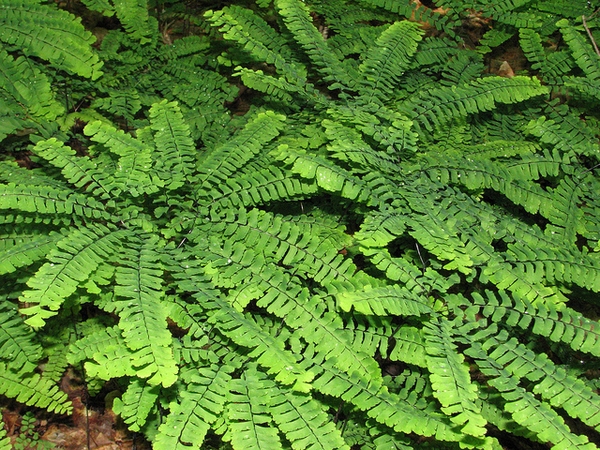
I still remember the day I brought home my first Aleutian Maidenhair Fern—bursting with excitement but totally clueless. I thought, “Ferns are ferns, right? Just water and shade, easy peasy.” Ha! Nope. This fern has a personality all its own and won’t hesitate to let you know when it’s unhappy. And trust me, so many of us jump in with the best intentions only to get tripped up by sneaky little care mistakes no one talks about. Let me share what almost broke my fern (and probably yours too), so you don’t have to learn the hard way.
Mistake #1: Treating All Maidenhairs Like They’re Identical
Here’s a secret: Aleutian Maidenhair Ferns aren’t your typical Adiantum capillus-veneris clones. I used to lump them all together until I realized mine looked delicate but just wouldn’t thrive in the warmer spots where other maidenhairs seemed happy. Why? Because this fern hails from the cool, misty Aleutian Islands and Pacific Northwest coast. It loves crisp air and steady moisture—but hates heat and direct sun.
So, if you put it somewhere too warm or bright, expect those gorgeous fronds to brown and curl up in protest. In my Oregon garden, that meant moving mine off a half-shady deck (which was too hot) to the north side of a maple tree where light is dappled and cool all day. Plus, I added loads of compost and leaf mold to keep the soil rich but well-draining. The difference? Night and day.
Mistake #2: Overwatering Because “It Likes Moisture”
Sounds logical—this fern does adore moisture—but here’s where things get tricky: soggy roots are its worst enemy. The first winter I kept mine indoors, I went full-on watering machine mode during slow growth months. Result? Droopy fronds that looked ready to give up for weeks.
What saved it was cutting back watering drastically and improving drainage by mixing orchid bark into the potting mix—lightening it so water didn’t just sit there. Here’s a practical rule of thumb: wait until the top inch of soil feels barely dry before watering again. No fixed schedule! Trust me, watering on autopilot is a fast track to root rot disaster.
Mistake #3: Ignoring Indoor Humidity (This One Nearly Killed Mine)
I gotta confess—I totally underestimated how thirsty this fern is for humidity when inside. Outdoors near streams or under thick canopies, humidity is natural; indoors with dry heating? Not so much.
My poor indoor Aleutian developed crispy brown edges within two weeks because I forgot daily misting—and not just a quick spray here and there but dedicated misting every single day (sometimes twice daily in winter). Bonus tip? Use room-temperature water for misting—it matters more than you’d think.
Also, set up a pebble tray filled with water beneath the pot for extra evaporative moisture. And group your ferns or tropical plants together—it creates a little humidity bubble that mimics their native environment better than leaving them solo on a windowsill.
The Oddball Hack Nobody Talks About: Pine Bark Mulch
After moving mine outdoors permanently one summer, I discovered something game-changing: pine bark mulch around the base wasn’t just pretty—it kept soil moisture steady without turning soggy and helped cool roots during unexpected heat waves (hello 85°F days in Oregon!).
If your climate hits dry spells or sudden heat spikes, try adding pine bark mulch as your secret weapon against stress.

How To Spot Your Aleutian Maidenhair From Its Cousins
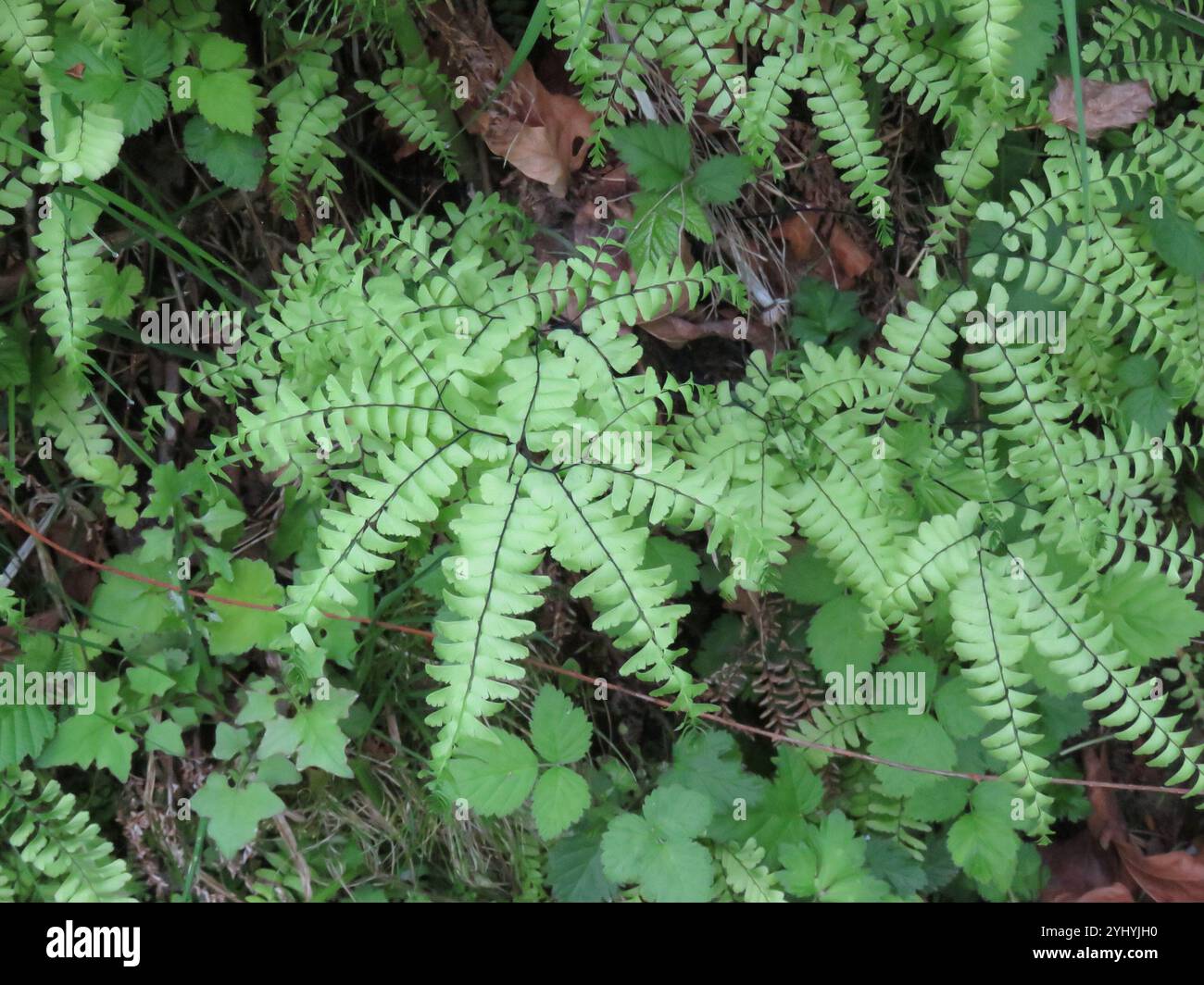
Quick pro tip from my trial-and-error days: check those wiry black stems paired with pale green fan-shaped leaflets—that contrast is sharper in Aleutian than in other maidenhairs.
Also note size—Aleutians usually max out around 24 inches tall and grow in neat clumps instead of sprawling runners like some relatives.
Fertilizing — What Most Guides Miss
Most care guides say “feed monthly during growing season,” but here’s what I learned after overfeeding mine: even diluted fertilizer can burn these sensitive fronds if you don’t nail humidity and watering first.
For years I fed mine too eagerly, causing patchy browning spots that took forever to heal. Now I go super light—a quarter-strength balanced fertilizer like fish emulsion at roughly ¼ teaspoon per gallon—and only feed every six weeks during spring and summer when growth picks up.
My Oregon Garden Diary — Year by Year Lessons
- Year One: Planted under maple tree with heavy compost; watered regularly but ignored heat waves—yellow leaves followed.
- Year Two: Added pine bark mulch; started misting on dry days; tuned watering based on soil dryness—fern bounced back beautifully.
- Indoor Winter Trial: Brought potted fern inside near east window; skipped pebble tray & misting; fronds browned fast—a harsh lesson on indoor dryness.
The Biggest Secret: Patience Beats Perfection
If there’s one thing this fern taught me—it’s not “set it and forget it.” Your Aleutian Maidenhair will talk back through its fronds if you listen patiently enough.
If it struggles, don’t freak out or overhaul everything at once—make one change at a time and watch for results over 7–10 days. Sometimes moving it an inch away from drafts or upping mist frequency does wonders overnight.
Quick Care Checklist — Your Go-To Starting Point
- Light: Bright but indirect/dappled shade; avoid direct sun & heat.
- Water: Water when top inch of soil is just slightly dry; never soggy.
- Humidity: Mist daily indoors with room-temp water + pebble tray.
- Soil: Rich, well-draining mix amended with compost & orchid bark.
- Mulch: Use pine bark mulch outdoors for moisture balance & root cooling.
- Fertilizer: Diluted quarter-strength fish emulsion every 6 weeks in growing season.
- Placement: Group plants indoors for better humidity microclimate.
- Patience: Adjust care gradually; observe changes over about a week.
Honestly? This fern isn’t going to be foolproof right out of the gate—but if you stick with its quirks (cool shade lover, loves balanced moisture & humidity), it rewards you with elegance no other houseplant can match.
Think of it less like another plant on your shelf—and more like a sensitive friend who needs your attention now and then. Start by scouting that perfect shady nook or prepping your indoor humidifier spot today—you’ll be amazed how those delicate fan-shaped fronds unfurl day after day once you crack its code.
And hey—I still catch myself wondering if I’m keeping it happy every single morning (because yeah, sometimes it’s tricky!). But that little victory each new unfurl feels like winning a tiny battle worth all the fuss. You got this!


