Mastering Alexanders Perennial: Practical Tips for Thriving Growth

When I first discovered Alexanders Perennial, it felt like finding a hidden gem in my garden—a living piece of history that Romans and medieval monks once relied on, long before celery became popular. But beyond its flavor, this plant has taught me a lot about patience, careful observation, and how gardening can be as much about mindset as about dirt and water.

Why Alexanders Isn’t Your Typical Herb
Most gardeners want quick results—fast sprouts, speedy growth, an instant harvest. Alexanders doesn’t work that way. It’s a slow starter. When I sowed seeds indoors the first time, I stared at the soil for nearly three weeks wondering if anything was happening at all. That waiting period is tough—it tests your faith more than your gardening skills.
But here’s the thing: Alexanders’ slow germination isn’t a problem. It’s an invitation to slow down and reset expectations. Instead of rushing, you learn to observe patiently. And if you can do that without stress, gardening becomes less about instant success and more about steady progress—and honestly, life feels richer for it.
How to Spot Alexanders (Without Confusing It for Something Dangerous)
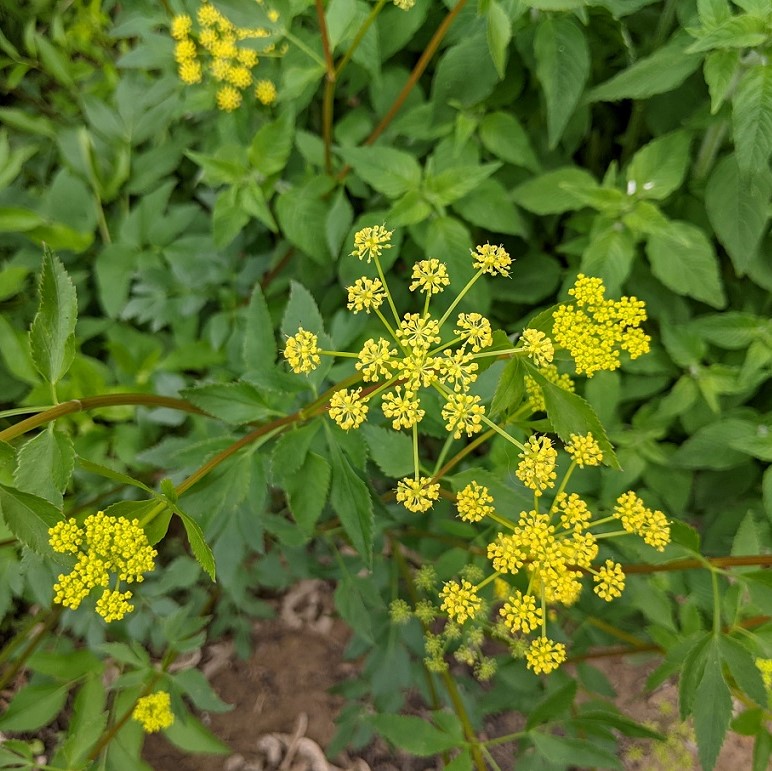
I once confused Alexanders with wild parsnip during a foraging walk—a mistake that could have been risky. Wild parsnip has bright yellow flowers that shout “danger,” while Alexanders’ flowers are a quiet yellow-green, almost shy by comparison. The stems tell another story: Alexanders has hollow purplish-green stems; parsnip’s are solid.
This taught me that identifying plants isn’t about memorizing facts but about training yourself to notice subtle details—how the light hits a leaf or what texture you feel on a stem. The more you slow down and look carefully, the more connected you become to your environment—and harvesting feels like reading nature’s own story.
Growing Alexanders: What Worked (And What Didn’t)
My first outdoor planting was a flop—I got too optimistic about early spring warmth. Then came a cold snap that killed most seedlings. Frustrating? Absolutely. Almost gave up.
Switching to indoor sowing 6-8 weeks before the last frost made all the difference. Using seed compost in clear plastic trays with humidity domes kept moisture steady without drowning seeds—a delicate balance I compare to caring for a newborn. After three weeks, seeing those tiny green shoots was pure joy.
Root cuttings are another trick I tried: planting 5 cm root pieces horizontally about 2 cm deep. You can’t see what’s going on underground, so it takes trust and patience more than skill. But watering well and waiting patiently rewarded me with new shoots popping up like little miracles.
One thing I learned fast: don’t overcrowd seedlings when thinning them out early—that stunts growth and slows everything down.
Harvesting: Take What You Need (No Rush)
Alexanders lets you nibble throughout the season instead of demanding full-on harvesting like some herbs do. Early spring is best—before flowering—when stems are tender and leaves glossy.
My favorite ritual is reaching into those lush green clumps and picking just enough fresh stems for salads or soups. It creates an ongoing relationship with the plant rather than a one-time grab-and-go harvest. This selective picking builds gratitude—it’s like the plant is giving back slowly because you cared enough not to rush it.
Cooking With Alexanders: A Subtle Surprise
Adding Alexanders to homemade vegetable broth changed everything for me—it brought a gentle peppery sweetness that celery stocks often miss. Its flavor adds complexity without overpowering other ingredients.
Knowing monasteries grew this herb centuries ago makes eating it feel like tasting history itself—a reminder that modern diets sometimes forget these nuanced flavors found in wild or semi-wild plants.
Challenges & Lessons Learned
Slugs wiped out my young seedlings one spring despite traps and crushed eggshells—a humbling moment reminding me nature always has its own plans.
Slow germination tested my patience again and again; sometimes weeks passed with no sign of life.
The biggest takeaway? Growing Alexanders depends more on persistence than perfect conditions. Small failures aren’t dead ends—they’re feedback telling you when to adjust tactics or timing.
Psychologically, this teaches resilience—embracing setbacks as part of learning changes how you handle challenges both in the garden and beyond.
Safety First: Don’t Skip This Step
Because Alexanders looks similar to some toxic umbellifers like hemlock, I always run through this simple checklist before planting or eating:
- Leaves: glossy dark green divided into three leaflets
- Stems: smooth, hollow, purplish-green
- Flowers: yellow-green umbels blooming late spring
If you’re new to wild herbs, I recommend double-checking with local foraging guides or experts just to be safe—it’s better to be cautious than sorry!
Ready to Grow Alexanders? Here’s How I Start
- Get seeds from trusted sources — Chiltern Seeds or local heritage seed savers are great options; avoid random “wild herb” packets.
- Start indoors 6-8 weeks before last frost — use seed compost in trays under grow lights set for about 14 hours/day.
- Prepare shaded garden beds enriched with homemade leaf mold for transplanting after frost danger passes.
- Keep a journal — note sowing dates, germination times, watering habits, pest issues, taste tests.
- Harvest selectively — treat each snip as a small celebration rather than rushing to consume everything at once.
That journal helped me notice patterns—like how slightly adjusting watering frequency sped up germination by several days or how certain soil amendments improved leaf glossiness.
Final Thought: Embrace Its Rhythm
If there’s one secret I’d share with any friend about growing Alexanders Perennial it’s this:
Don’t try to rush it.
Shift from impatience to curiosity and watch how those slow sprouts start feeling less like frustration and more like little daily victories.
Alexanders isn’t just another herb—it’s a quiet teacher reminding us how rewarding steady care can be when we slow down enough to listen.
So next time you hold those celery-like stems in early spring sunlight, remember—you’re touching living history shaped by hands patient enough to wait centuries before this ancient plant reaches your plate.
If you want quick troubleshooting tips or have questions as you go along, just ask—I’m happy to help troubleshoot common hiccups like poor germination or slug attacks! Gardening is never perfect; it’s always a work in progress—and sometimes that’s where all the magic happens.


