Alice du Pont Mandevilla Vine: Practical Care Tips for Success

There’s something almost hypnotic about watching the Alice du Pont mandevilla vine unfurl its trumpet-shaped flowers—especially when you get to know the little quirks that make this variety truly special. I still remember my first attempt at growing it—it was a bit of a rollercoaster. Overwatering, unsure when to prune, and wondering why those glossy leaves sometimes looked droopy despite all my efforts. But what really won me over wasn’t just the big, showy pink blooms; it was learning to read the plant’s rhythms and moods. Once I figured that out, this temperamental vine became the star of my garden.
What makes Alice du Pont different from other mandevillas?
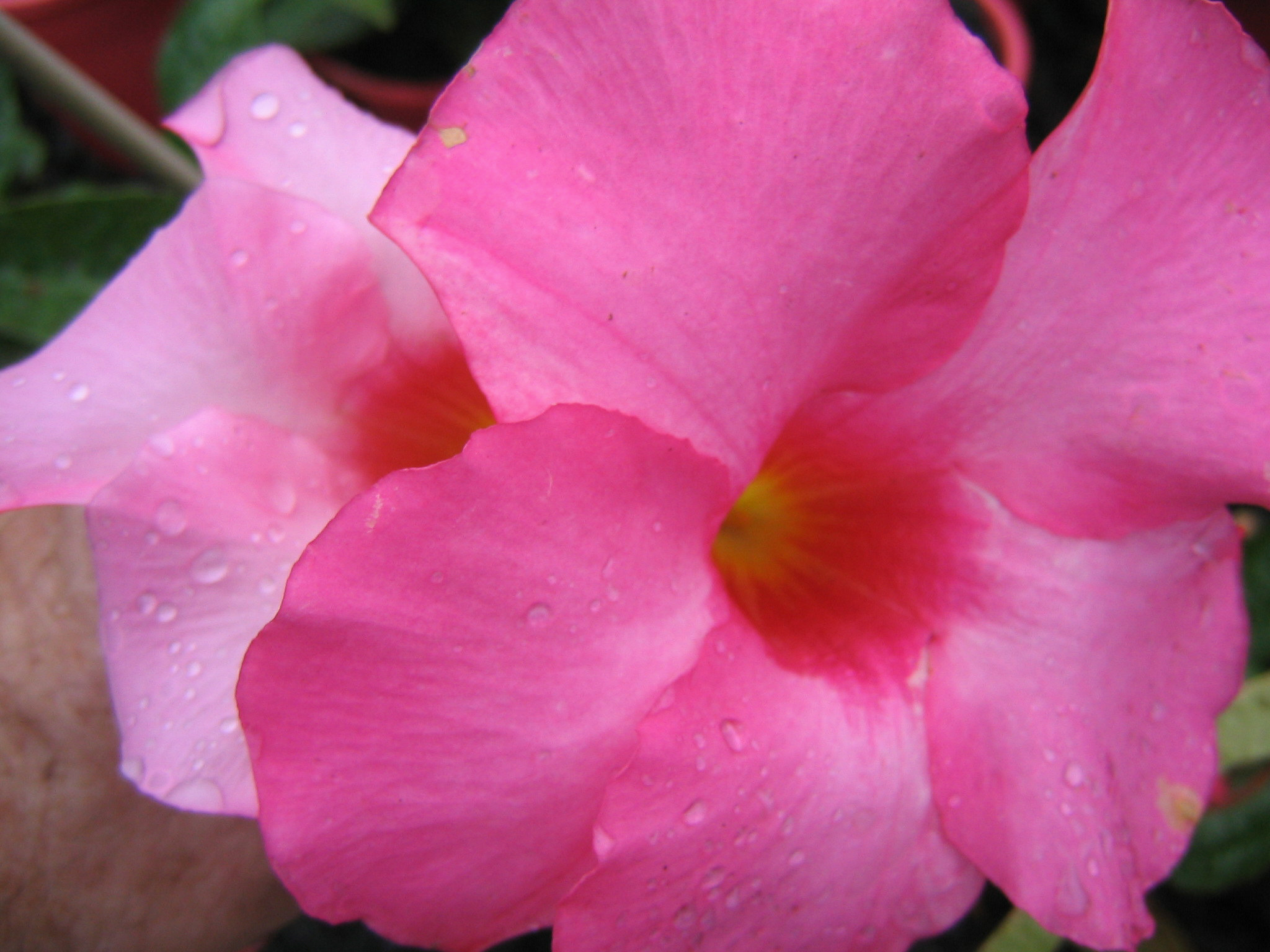
Most mandevillas seem like sprinters, racing to bloom quickly and fade fast. Alice du Pont? It’s more like a steady marathoner that bursts into flower several times over. Its flowers can reach nearly 4 inches wide—that’s noticeably bigger than your average mandevilla—and the scent is something else: imagine stepping into a quiet garden corner where every warm breeze carries a sweet, almost intoxicating perfume that lingers for hours. Not magic—just smart design.
Look closely at those thick, leathery leaves. Their glossiness isn’t just for show. Early on, I thought shiny leaves were just prettier versions of regular mandevilla foliage. But after some digging (and comparing notes with other gardeners), I learned that their reflective surface helps cut down water loss and shields the plant from harsh midday sun. That’s why Alice du Pont keeps blooming heavily even when other mandevillas look stressed or burnt under intense heat.
How do you get this vine truly thriving? Hint: it’s about tuning in to its mood swings
When I planted mine in spring 2019, I watered religiously every other day. Big mistake. Within two weeks, yellow leaves started popping up like red flags. It felt like the vine was whispering, “Too much love is smothering me.” Lesson learned: Alice du Pont hates soggy roots but still needs steady moisture.
Here’s what worked best for me: only water deeply when the top inch of soil feels dry—not on a strict schedule but by feel. This balance cut down fungal risks and gave roots breathing room.
Light is another tricky one. Everyone says “full sun” for mandevillas—but after testing spots shaded in hot afternoon hours by nearby trees, I realized partial shade during peak heat actually extends flower life without stressing the plant. Counterintuitive? Totally! But those afternoon shadows are like a gentle nap for Alice du Pont—it recharges and bursts back with fresh blooms.
Support matters more than you might think too. My first vine tangled hopelessly on a flimsy wire fence—looking wild but not graceful at all. Switching to a sturdy cedar trellis changed everything: it guided upward growth neatly and improved airflow around leaves, which reduced mildew problems dramatically.
When will you see flowers? Patience really pays off (plus smart pruning)
Flowering kicks off in late spring and can stretch well into early fall—a generous 4-5 months compared to other mandevillas that fizzle out sooner. In warmer USDA zones 9-11, with attentive care, I’ve even seen blooms nearly year-round.
Here’s where many gardeners stumble: pruning is more than tidying up—it rewires energy flow in the plant. The first full season I waited too long and ended up with tall but leggy stems and fewer flowers next year—a frustrating “why didn’t it bloom?” moment.
The next season, I clipped back lightly right after flowering stopped, trimming about a third of new growth from lateral shoots—not hard cuts that shock it but gentle nudges that encourage bushier growth. Within weeks, fresh lateral shoots sprouted vigorously; next season brought roughly 30% more blooms! Think of it as teaching your vine to focus on quality flowers rather than stretching tall and spindly.
What headaches should you expect? And how do you outsmart them?
Pests like aphids or spider mites can pop up—nothing too scary if caught early with neem oil or insecticidal soap sprays (I check under leaves weekly during summer heat waves). But fungal diseases taught me my biggest lesson: environment beats chemicals every time.
One year, I planted too close to my house wall where air barely moved—hello powdery mildew outbreak! Now I space vines at least 3 feet apart and make sure there’s good airflow; disease problems dropped sharply after that change.
Yellowing leaves often scream “watering or nutrient problem” rather than pests outright. Early on, I wasted time chasing invisible bugs until soil tests showed nitrogen deficiency combined with inconsistent watering patterns—ouch! Now I keep an eye on leaf color shifts as early warning signs.
Winter is also tricky outside USDA zones 9-11. One winter I lost an entire vine outdoors—a tough lesson—but bringing it indoors to a bright yet cool room with minimal watering through winter kept it alive enough for an impressive comeback come spring.
Where can you find authentic Alice du Pont vines? Spoiler: patience + research
This isn’t your typical mandevilla from big-box stores labeled vaguely as “mandevilla.” Early on, I fell victim to mislabeled plants—they looked okay but lacked those glossy leaves or had smaller flowers.

My breakthrough came ordering from TropicalPlantsDirect.com—a specialty nursery focused on subtropical cultivars—in part because they responded personally with photos of mature plants before shipping (including customer gallery shots showing flower size and leaf texture). Worth every penny for peace of mind!
Local botanical societies also surprised me with rare cuttings during annual plant swaps—these often adapt better since they come from growers in similar climates rather than being shipped cross-country.
How do I use Alice du Pont creatively in garden design?
I haven’t found a better way to turn neglected fences or pergolas into living art installations than with this vine—it grows fast enough you’ll see dramatic changes within months (which is huge encouragement when waiting feels endless).
Pairing it with pollinator magnets like lantanas or salvia turns corners into buzzing hubs alive with hummingbirds and butterflies drawn not just by nectar but by those potent floral scents drifting lazily on summer evenings.
One last tip: avoid planting near delicate or slow-growing shrubs unless you’re ready for regular pruning sessions—the vine will happily take over space if left unchecked!
The real magic behind thriving with Alice du Pont mandevilla
What makes this vine so rewarding isn’t just its looks—it’s mastering its subtle signals: knowing when it needs water without drowning it; reading leaf color changes as mood indicators; giving it solid physical support plus energetic structure through pruning; respecting its unique sun-and-shade balance.
If you’re starting out, don’t treat it like a low-maintenance houseplant expecting instant gratification. This one demands attention—but rewards care tenfold in spectacular blooms and sensory delight.
Watching those trumpet flowers unfold one by one has become a personal reminder that gardening isn’t about control—it’s about partnership—with patience as our secret ingredient.
Your action plan starting today:
- Scout your site: Confirm at least 6 hours of sunlight daily plus well-drained soil (dig down 6 inches; water should soak quickly without pooling).
- Source smart: Order only from specialty nurseries like TropicalPlantsDirect.com or trusted local botanical groups; always ask for close-up photos verifying leaf glossiness and bloom size.
- Build strong support: Install cedar trellises or sturdy fences capable of handling fast vertical climbs.
- Water mindfully: Deep soak only when top inch of soil feels dry—avoid daily sprinkling which keeps soil soggy.
- Schedule pruning: Set reminders post-flowering (usually late summer); clip back about one-third of new growth gently to encourage bushier growth.
- Inspect regularly: Check under leaves weekly during warm months for aphids/spider mites; treat promptly with neem oil or insecticidal soap.
- Journal progress: Note flowering dates, leaf conditions, watering intervals—this helps tailor care perfectly for your microclimate.
- Be patient & observant: Trust your gut feelings about what your plant needs—it will teach you if you listen carefully!
By embracing these steps—with curiosity and patience—you won’t just grow healthy vines; you’ll develop a sixth sense for what your garden wants too.
And honestly? That connection is what transforms growing Alice du Pont mandevilla from simple gardening into something downright magical.
P.S. A funny moment from my first season: after pruning too heavily once, my vine sulked visibly—yes, plants can look grumpy! Lesson learned: prune gently and at the right time—or risk disappointing your leafy friend!


