Alii Ficus Tree Care: Practical Tips to Keep It Thriving

When I first got my Alii Ficus Tree, I thought, “Easy peasy—just like all my other ficuses.” Nope. For nearly a month, I hovered over it like a nervous parent, watering and adjusting light—and still watched leaves quietly wilt and drop. The usual advice about “bright indirect light” and “water when the top inch feels dry” didn’t quite do the trick. Here’s the surprising part: those generic tips actually set me up for failure because they don’t fit how finicky this tree really is.

After some trial, error, and a bit of frustration, I finally found a care routine that made my Alii thrive. Let me save you from the rookie mistakes I made.
Why Your Alii Ficus Is Struggling (It’s Not Just About Water)
Everyone says “bright indirect light” is perfect—but here’s what most people miss: Alii Ficus trees really hate direct sun more than most ficuses, but they also sulk if they don’t get enough bright light. I learned this the hard way when mine dropped leaves in a supposedly well-lit room. The culprit? The sun shifted with the seasons, sneaking harsh afternoon rays through sheer curtains. It wasn’t glaringly obvious at first—just slow leaf scorch starting at the edges.
What worked: Don’t just plop your Alii “near a window.” Place it about 3-4 feet away from an east-facing window where it gets about 3 hours of gentle morning sun daily. That soft light keeps leaves shiny and happy without stressing the plant. Heads up: South-facing windows can sneak in brutal midday sun that slowly fries leaves over weeks.
Watering: Forget the Calendar—Trust Your Fingers
I wasted two weeks watering mine every 7 days like clockwork—classic advice, right? Wrong! Treating this living thing like a machine was my downfall. In dry winter months with heat blasting, soil dried out in 5 days; humid summers stretched that to almost 10.
Here’s my simple hack: stick your finger an inch into the soil. If it still feels even slightly moist, wait another day or two before checking again. When you do water, pour slowly until you see water draining out of the bottom holes—no rushing! Then dump any soggy water sitting in the saucer immediately (standing water = root rot waiting to happen).
Oh—and one more thing—I noticed my plant prefers watering in the morning, so it has all day to dry out a bit before nightfall.
Pot Drama: Drainage Is Non-Negotiable
Confession time: I once planted my Alii in a fancy ceramic pot without drainage holes because it “looked nicer.” Spoiler alert—it did look nice... but underneath? Roots drowning in soggy soil for weeks until yellow leaves started dropping like crazy.
The fix was repotting into a black plastic nursery pot with drainage holes inside that ceramic shell—a double-potting trick that keeps your décor intact but gives roots their much-needed air space.
Pruning: Go Bold or Go Home
Most guides say “don’t prune too much early on,” but aggressive pruning saved my struggling Alii. When it started looking leggy and sparse after inconsistent care, I snipped back about 30% of its branches just above leaf nodes using sharp scissors (disinfected with rubbing alcohol — don’t skip this step!).
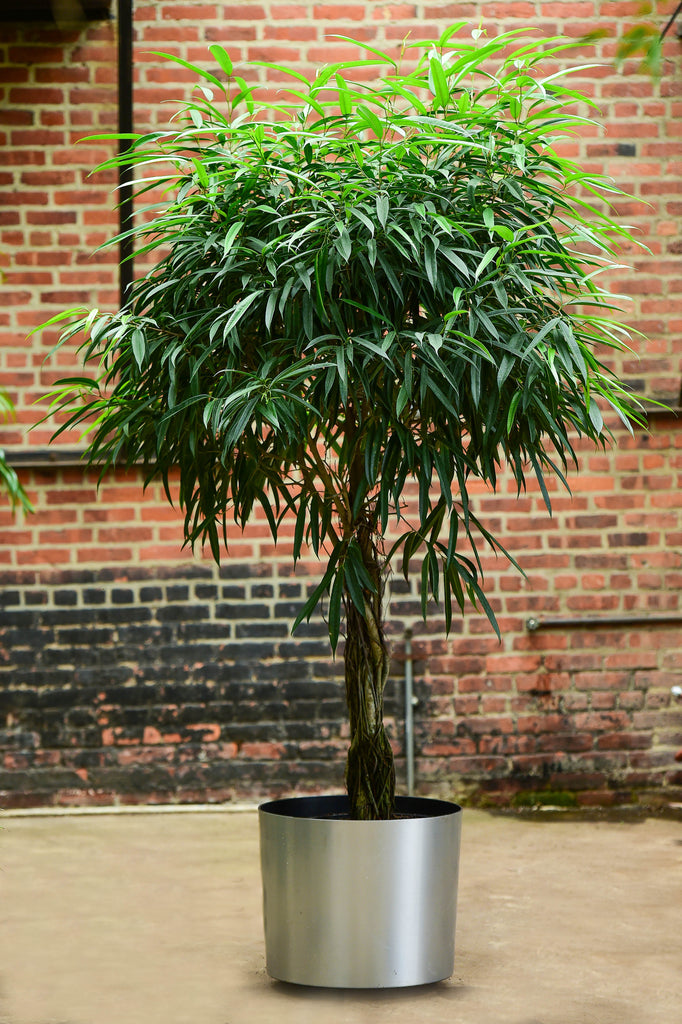
I worried about stressing it out but no—the plant bounced back in just three weeks with fresh new growth everywhere. It’s like hitting the reset button on your tree’s health.
Real-Life Wins & Lessons From Friends
-
My coworker in Phoenix left hers on a south-facing balcony during summer—utter disaster! Crispy brown edges appeared fast under that intense sun. Moving it just three feet inside near an east window brought her tree back to life within four weeks.
-
A friend in Seattle watered twice weekly no matter what—her Alii ended up yellowed and stunted. Once she switched to finger checks and watered only when dry, her ficus perked up surprisingly fast (about three weeks).
-
Me again: After repotting into proper drainage pots and adjusting watering by season (more often in winter heat, less when humid), my Alii went from sad to lush in under one month.
Quick Troubleshooting Tips
-
Yellow leaves? Usually overwatering—but also check light levels and watch for cold drafts.
-
Leaf drop alert: Often caused by environmental shock—like moving plants around too much or sudden temperature changes. Find a spot and stick with it!
-
Brown tips: Sunburn or dry air are suspects here. Use sheer curtains during peak sunlight hours or place a humidity tray nearby (I fill shallow trays with pebbles plus water).
-
Pests: Sneaky little buggers like spider mites or mealybugs love hiding on ficus leaves. Inspect weekly and wipe down leaves with diluted neem oil early to stop infestations before they start.
What Most Guides Don’t Tell You
Your Alii Ficus isn’t just another easy-going plant—it demands active attention and subtle adjustments based on your home’s unique conditions. Following rigid schedules without tuning into its signals is like driving blindfolded—you’ll guess wrong more often than not.
Also? Don’t be afraid to prune hard or repot if things look grim; those moves can turn things around faster than fiddling with light or water alone.
Bottom Line For First-Timers
If you’re starting out with an Alii Ficus, listen closely: stop blindly following generic rules and start paying daily attention to your plant’s signals—the feel of its leaves, soil moisture by touch, subtle color shifts—they all tell you what it needs next.
Within three weeks of adopting this mindset myself—ditching rigid schedules for sensory cues—I turned my struggling sapling into a thriving statement piece that fills my living room with green energy and pride.
So go ahead—get your hands dirty checking soil moisture; move your plant around till you find that perfect sweet spot bathed in soft morning sunlight; prune boldly when branches look weak; repot promptly if drainage sucks. Your Alii will reward your effort with glossy leaves and steady growth you can actually see—and honestly? That feeling beats every leaf lost along the way.
Quick Care Checklist (Keep This Handy!)
- Light: 3-4 feet from an east-facing window for ~3 hours morning sun
- Water: Check soil moisture weekly by finger test; only water when top inch feels dry
- Pot: Use containers with drainage holes; double-pot if using decorative outer pots
- Prune: Cut back up to 30% of branches above leaf nodes when leggy
- Humidity: Use pebble trays or mist occasionally especially in dry heating seasons
- Watch out for pests: Inspect weekly; wipe leaves with diluted neem oil if needed
Remember: Your Alii isn’t high-maintenance—it’s just particular. Getting cozy with its rhythms will turn confusion into confidence—and trust me, your patience will pay off beautifully.


