When Allium Plants Struggle: Spotting Pests and Winning Battles
When I first started growing onions and garlic, I thought managing pests and diseases would be straightforward—spray some insecticidal soap, remove damaged leaves, and keep good airflow. Turns out, that advice barely scratched the surface. The real challenge? Alliums fight battles underground and above ground that aren’t obvious at first glance. What saved my crops wasn’t just routine spraying; it was shifting into detective mode and trying tactics that felt a bit counterintuitive. For a comprehensive guide to allium plant growth and care, I found it helpful to combine pest management with overall plant health strategies.
Why Typical Pest Advice Didn’t Work for Me
Picture this: my first onion crop one spring, healthy-looking plants suddenly wilting overnight. I sprayed neem oil religiously every week like the experts said. Yet, the problem spread like wildfire. After losing dozens of bulbs and weeks of frustration, I finally dug up a few plants—and found tiny white larvae tunneling inside the bulbs: onion maggots.
That moment changed everything. Spraying leaves doesn’t reach pests living inside bulbs underground. Treating symptoms without understanding the exact pest lifecycle is like fighting shadows—you miss the real enemy.
Step 1: Think Like a Detective — Symptoms Can Be Deceiving
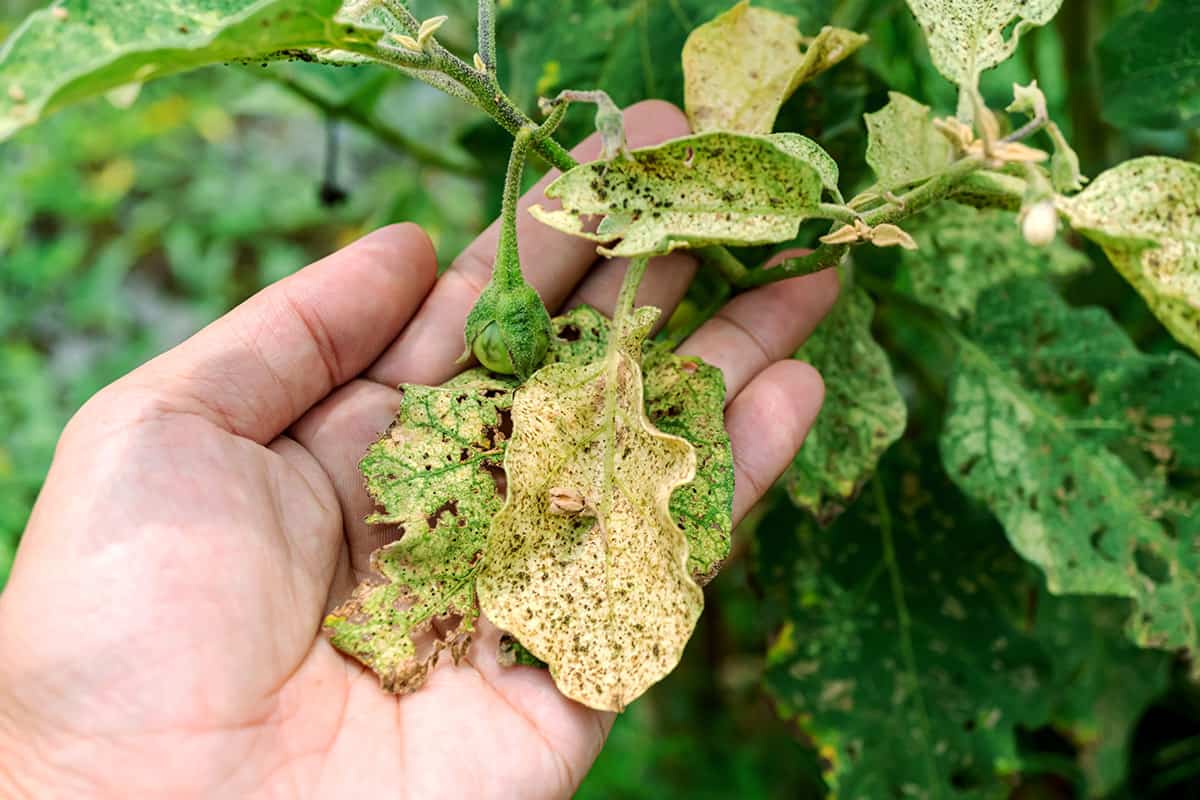
Yellow leaves? Could be nitrogen deficiency… or pests… or disease… or even weather stress. When my onions turned yellow, I assumed lack of nutrients. But when I pulled one bulb out of the soil, it was soft and rotten inside—onion maggots had already done their damage underground.
Here’s what I learned to do differently:
- Dig down: Don’t just eyeball the leaves; gently unearth bulbs to check for softness or tunnels.
- Use a magnifier: Thrips are almost invisible to the naked eye—tiny specs until you see them dart around.
- Inspect leaf undersides: Downy mildew shows as fuzzy gray mold only visible underneath during cool mornings.
- Smell your bulbs: Neck rot has a faint musty smell before you see mushiness.
And here’s a tip many miss: don’t jump to conclusions based on just one symptom or a quick photo online. Watch your plants over several days, note weather patterns (thrips love warm dry spells; downy mildew thrives in moist nights), and piece together clues like a puzzle.
Step 2: Don’t Spray Blindly — Target Your Treatments
Everyone says “spray neem oil” for pests—but it’s not always that simple.
- For onion maggots, sprays on leaves barely touch the larvae feeding inside bulbs underground. Instead, beneficial nematodes (like Steinernema feltiae) applied to soil in early spring before eggs hatch can cut maggot numbers dramatically. I sourced mine from [local garden suppliers/online stores], which made this biological control accessible and effective.
- For thrips and aphids, neem oil sprays every five days worked—but only when combined with manually removing heavily infested leaves to reduce their numbers quickly.
My rookie mistake was spraying while leaving damaged plant parts in place—pests bounced back fast because I hadn’t removed their breeding grounds.
Step 3: Rethink Watering — Moisture Is Not Always Your Friend
I used to think lush alliums meant lots of water—even overhead sprinklers daily! Big mistake. My garlic patch looked great at first but developed downy mildew within three weeks of heavy overhead watering.
Downy mildew isn’t just humidity—it needs wet leaves lingering overnight to spread fast. Switching to drip irrigation and watering early in the morning so foliage dries by midday changed everything for me. Suddenly, disease progression slowed dramatically, and pruning infected leaves didn’t risk instant reinfection anymore.
This goes against some gardening advice recommending frequent misting or watering for growth—but with alliums, dry leaves are your best defense. For more on how to nurture these plants, see how to grow and care for allium plants in your garden.

Step 4: Storage Disease Survival Tactics That Work
Neck rot and white rot often sneak in after harvest when you think your job is done. Common wisdom says “cure bulbs in a warm dry place,” but here’s what really made a difference:
- Harvest only when tops are fully dry and brittle—not just yellowed but crispy.
- Sort bulbs carefully—discard any slightly soft ones immediately rather than risking contaminating healthy stock.
- Store bulbs in boxes lined with paper towels instead of mesh bags; this subtle change improved airflow dynamics, keeping them drier.
One season after adopting these tweaks, neck rot losses dropped by roughly 80%. It felt like winning a small but crucial battle after years of frustrating defeats. If you want to learn more about potential risks, check out allium plant toxicity: safety for pets and humans.
Step 5: Crop Rotation — More Critical Than You Realize
White rot spores can survive in soil for over 10 years. That shocked me when two successive onion crops failed in the same patch despite careful care.
Rotating away from alliums for at least three years isn’t optional if you want long-term success. It’s tough if space is tight—I get it—but planting unrelated crops like legumes or brassicas breaks white rot’s cycle far better than fungicides ever could.
My Most Valuable Tip for Beginners: Make Inspections Routine
Don’t wait until damage is everywhere before acting—that’s how I lost half my crop in year one. Instead:
Set a weekly “allium inspection ritual”:
- Gently pull up random plants to check bulbs underground.
- Use a hand lens to look under leaf surfaces.
- Note weather patterns closely—hot dry spells mean watch for thrips; cool wet nights call for mildew checks.
- Remove suspicious plants immediately before problems spread.
This simple habit transformed me from overwhelmed firefighting to confident management—and it can do the same for you.
Quick Reference Summary
| Symptom | Likely Cause | Treatment |
|---|---|---|
| Yellowing leaves + soft bulb | Onion maggots | Apply beneficial nematodes to soil; remove affected bulbs |
| Tiny specs moving on leaves | Thrips | Spray neem oil every 5 days; prune badly infested leaves |
| Fuzzy gray mold under leaves | Downy mildew | Use drip irrigation; water early morning; prune infected parts |
| Musty-smelling, soft neck bulb | Neck rot | Harvest fully dry; discard soft bulbs; store in paper-lined boxes |
Growing alliums isn’t easy—they hide their battles beneath soil and behind subtle symptoms. But with patience, curiosity, and these targeted strategies, you’ll learn to outsmart pests and diseases rather than chase them blindly.
Remember: every gardener hits rough patches—even me! The thrill of pulling up perfect bulbs after beating invisible enemies underground makes all those detective hours worth it. Your allium patch deserves nothing less than that kind of care—and so do you.
If you’ve got tricky pest stories or questions along the way, don’t hesitate to share them—it helps us all learn better together! For a complete overview of allium plant care and growth, check out the main guide to deepen your understanding.


