Aloe-leaved Nananthus Succulent: Growth Patterns and Care Insights
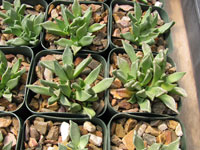
I still remember the day I brought home my very first Aloe-leaved Nananthus succulent. Full of confidence, I thought, “Succulents? Easy. Just water occasionally and they’ll be fine.” Spoiler: it took nearly a month of droopy, soggy leaves—and some serious guilt—to realize this plant was quietly schooling me in patience and observation. No generic care guide had prepared me for that.

This succulent isn’t just about watering or light schedules. It’s more like a subtle teacher, nudging you to listen carefully to tiny signals instead of assuming it’s “foolproof.” The Aloe-leaved Nananthus doesn’t shout when it’s unhappy; it whispers—through slight yellowing or a faint shrivel—that most beginners miss because we expect succulents to be invincible.
What’s Going On With This Plant? A Quick Visual and Psychological Snapshot
Picture a miniature aloe: soft, thick leaves arranged in a tidy rosette, often dusted with tiny speckles that catch light just so. It usually grows 4–8 inches tall—a modest size—but its sculptural form draws your eye without being loud.
Here’s the catch: it looks tough but is surprisingly sensitive to how you read its signs. Its leaves don’t scream “I’m stressed!” Instead, they drop subtle hints—like pale edges or slightly wrinkled tips—that can easily get overlooked if you’re not paying attention.
The Light Puzzle: Why “Bright Indirect” Is More Than Just Words
We’ve all heard “bright indirect light,” but what does that really mean? When I first placed mine on a south-facing windowsill bathed in afternoon sun, I expected it to thrive. Instead, the leaf edges turned pale and papery—the poor thing was getting sunburned. Who knew succulents could do that?
This taught me something important about how we think: more light doesn’t always equal better health. The Aloe-leaved Nananthus thrives where light is plentiful but softened—think gentle morning sun or sunlight filtered through a sheer curtain. This mimics its native environment where it often grows in partial shade beneath other desert plants.
Moving my plant just 12 inches away from direct sun changed everything. Within days, its leaves regained color and firmness without touching water or soil. That moment hammered home the idea of “perceptual sensitivity”—tuning into subtle differences instead of thinking in black-and-white terms like full sun vs. shade.
Watering: Breaking Bad Habits (And Why It’s Tough)
Here’s where the plant really schooled me. My first instinct was to water every five days because “succulents store water,” right? Turns out, this one does so well at storing water inside its leaves and roots that overwatering slowly suffocates it.
Now I only water when the soil feels completely dry an inch below the surface—which for me means every 10-14 days during summer heat. At first, waiting felt like neglect; my fingers itched to check daily! But once I resisted, those plump leaves bounced back with renewed firmness and glow.
Why does this approach work? Psychologically, it forces you to develop patience and trust natural rhythms rather than following rigid schedules. Your Aloe-leaved Nananthus isn’t clingy—it thrives when you respect its pace.
Pro tip: To test dryness confidently, stick your finger about an inch deep into the soil (roughly to the second knuckle). If it feels cool and moist, hold off watering; if dry and crumbly, go ahead.
Soil: The Unsung Hero of Healthy Roots
My first pot had standard garden soil—and despite careful watering—it stayed soggy too long. Root rot set in fast.
Switching to a mix heavy on pumice (about 30%) plus cactus soil made all the difference by giving roots air pockets they desperately need for oxygenation. Well-draining soil keeps roots moist but never waterlogged—that balance is crucial for long-term health.
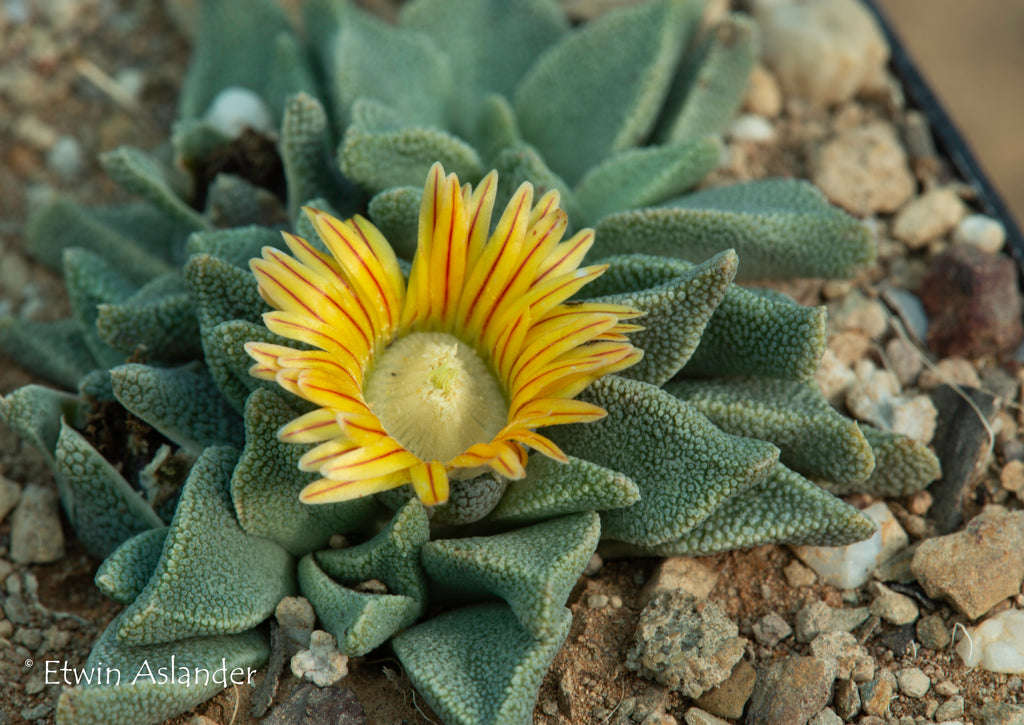
If you want numbers: aim for roughly 60-70% cactus/succulent mix with 30-40% pumice or perlite added in.
Propagation Reality Check: Offsets Over Leaf Cuttings
I tried leaf cuttings at first—six weeks later? Nada. Just shriveled failures.
The Aloe-leaved Nananthus prefers offsets or stem cuttings for propagation. In spring, gently tease off baby plants from around the mother, let them callous over for 2-3 days (this prevents rot), then plant them in well-draining soil. They usually root within 2-4 weeks without fuss.
This was a big mindset shift for me—success sometimes means breaking rules rather than blindly following generic advice.
Troubleshooting & What It Taught Me About Care
- Overwatering & Root Rot: Mushy translucent leaves are your red flag—check roots immediately if you see this.
- Underwatering: Wrinkled leaves signal thirst—but don’t panic; they recover quickly if you respond.
- Pests: Mealybugs hide under leaves—regularly feel around gently to catch infestations early.
- Leaf Browning: Usually from too much sun or inconsistent watering—a reminder balance is fragile.
Each problem pushed me away from reactive fixes toward steady attentiveness—a shift from impatience to mindful observation that really improved my success rate.
Why This Succulent Became My Green Thumb Teacher
Once I got the hang of it, caring for Aloe-leaved Nananthus felt less like chores and more like an ongoing conversation with a patient friend who rewards nuance and calmness.
Its tolerance for drying out forced me to slow down and learn restraint—a skill surprisingly transferable beyond plants into everyday life habits.
After six months on my bright balcony (steady ~70°F), not only did this succulent thrive visually but my entire approach to succulents shifted: less rushing; more watching.
One Simple Piece of Advice For New Owners
Forget strict watering calendars or chasing intense sunlight. Become your plant’s detective instead:
- Look daily for subtle changes in leaf color and texture.
- Feel soil moisture with confidence—not anxiety.
- Embrace waiting as part of growth—not neglect.
This isn’t just plant care—it’s cultivating patience and attention to details that build resilience whether nurturing plants or life itself.
Ready To Welcome Your Own Aloe-leaved Nananthus?
- Buy from trusted sellers specializing in succulents (avoid wild-collected—they tend to be less forgiving).
- Use cactus/succulent potting mix amended with pumice or perlite (aim for about 30% pumice).
- Place near an east-facing window with sheer curtains filtering morning light.
- Water only when the top inch of soil is completely dry—expect every 10–14 days during warm months.
- Regularly inspect leaves; firm means happy.
- Propagate using offsets—not leaf cuttings—for best success.
- Join online communities like r/succulents on Reddit—it fast-tracks learning through shared real-time experiences.
Your Aloe-leaved Nananthus will reward tuned-in care with quiet architectural beauty—a reminder that sometimes listening closely makes all the difference.
Final thought: Caring for this plant challenged me more than expected but taught lessons far beyond botany—patience isn’t just waiting; it’s active observing without rushing conclusions. And honestly? That lesson alone makes every wilted leaf worth it.


