Aloe Plant Secrets: Grow, Heal, and Thrive with Ease

Aloe Plant: The Definitive Guide for Thriving, Healing, and Blooming
Aloe plants are far more than just tough succulents crowding your windowsill. They’re living relics of adaptation—packed with fascinating biology and medicinal potential that few houseplants can match. Over nearly ten years of growing, failing, experimenting, and consulting—from my cramped urban apartment to a community garden in Southern California—I’ve distilled what it truly takes to cultivate aloes that thrive, heal, and even bloom indoors or outdoors. This guide goes well beyond “how to water” or “sunlight needs.” It’s a deep dive into aloe anatomy, tailored care techniques, surprising pitfalls, propagation secrets, harvesting safely, and integrating aloe into your daily life sustainably.
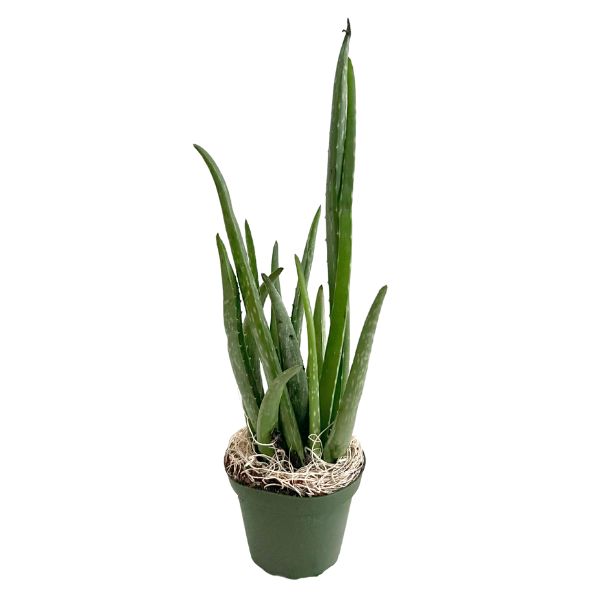
1. Aloe Anatomy & Origins: Why Your Aloe Deserves More Than a Dusty Shelf Spot
When you slice open an aloe leaf, the clear gel inside is anything but ordinary—it's a cocktail of over 75 active compounds including vitamins A, C, E; enzymes like bradykinase; and complex polysaccharides. These chemicals aren’t random—they evolved over millennia to help aloe survive harsh arid climates in Africa by storing water efficiently and deterring hungry animals with bitterness.
The Aloe genus contains over 500 species. You’re probably familiar with Aloe vera (also known as Aloe barbadensis), famous worldwide for its soothing gel. But species like Aloe arborescens, which I grew in my first outdoor succulent garden under the Southern California sun, have different growth habits and medicinal profiles worth exploring. For example, Aloe ferox has larger spiny leaves yielding more gel per harvest but demands space and different care because of its size. To get a broader perspective, you can check out the different types of aloe plants and their uses.
Fun fact: Aloe leaves form a rosette pattern—not just because it looks nice! This shape helps channel dew and rainwater toward the roots in their natural desert habitats. So when you water your aloe at home, think about mimicking this pattern by watering near the center rather than soaking the whole pot surface.
2. From Killing Three Aloes in Six Months to Five Years of Success: The Real Growth Story
Confession: My first three aloe plants died within six months—not from neglect but from following standard advice blindly.
- The first succumbed to root rot because I watered weekly no matter what.
- The potting soil was basic indoor mix with poor drainage.
- And I kept them in plastic pots trapping moisture.
Lesson learned: Soil drainage and watering based on soil dryness—not calendars—is everything. For a detailed guide to watering and soil needs, see ideal soil and watering tips for aloe plants.
What Changed Everything?
- Pot choice: Terra cotta with wide drainage holes. It breathes better and lets excess water escape.
- Soil mix: My go-to is 40% organic potting soil + 40% pumice (not perlite!) + 20% coarse sand. Pumice holds less moisture than perlite and adds beneficial minerals.
- Light: An east-facing window gives gentle morning sun without scorching afternoon rays. When winter cut sunlight below 4 hours/day, I added a Philips Hue Grow Light on low for about 3 hours midday.
- Watering approach: Forget rigid schedules—instead, I check soil moisture at 1-inch depth using a Dr.meter moisture meter. Water only when completely dry below the surface—usually every 3–4 weeks indoors during summer.
- Fertilizer: Schultz Cactus Plus at quarter strength monthly during growing season (April–September) keeps growth steady without pushing legginess.
This regimen saved my fourth plant—which has thrived now for over five years.
3. Common Aloe Care Myths That Nearly Killed My Plants (And How to Avoid Them)
Myth #1: “Leaf cuttings root easily.”
I tried this five times before realizing leaf cuttings have a high risk of rotting unless strictly calloused for at least five days in dry shade before planting—much longer than most blogs suggest.
Myth #2: “More light is always better.”
My aloe’s leaves scorched within days under direct southern California summer sun despite frequent watering. Moving it behind sheer curtains filtering ~70% light stabilized its health dramatically.
Myth #3: “Any succulent fertilizer works fine.”
Generic mixes often have too much nitrogen causing leggy stems or weak leaves. Using cactus-specific fertilizer with lower nitrogen content keeps my plants compact and resilient.
4. Advanced Cultivation Techniques & Observations From Real Experience
Propagation Tips That Work
Offsets (or pups) are hands down the most reliable method for propagation. In spring 2021 at my community garden, I separated about 15 offsets from one mature plant—every single one rooted within three weeks using the callous-and-dry method before planting. If you want to try this yourself, check out my how to propagate aloe plants from offsets guide.
Leaf cuttings? Only if you live somewhere very dry or have humidity-controlled rooting chambers; otherwise they’re risky.
Seeds are fascinating but slow—expect germination between two to four weeks under daily misting at roughly 80% humidity.
Encouraging Blooms Indoors & Outdoors
In my rooftop garden where nighttime temps dropped near 50°F (10°C) during winter months—a cooler dormancy period combined with strong indirect light coaxed several aloes into solid flowering by early spring after two years of care.
Many guides skip this detail: cooler night temps simulate natural desert cycles stimulating flower spikes later on.
5. Troubleshooting Common Problems: Quick Diagnosis & Recovery
Mushy Leaves = Root Rot Almost Always
One client brought me an aloe with translucent leaves after six weeks of weekly watering plus no-drainage soil use. After trimming blackened roots and repotting into pumice-rich soil—and pausing watering for two weeks—the plant firmed up within a month.
Yellow Leaf Edges
Usually caused by too frequent watering or poor drainage—but low humidity during winter forced-air heating indoors can also cause leaf tip desiccation without obvious overwatering signs.
If you want to understand more about common issues, symptoms, and treatments, see the article on common pests and diseases that affect aloe plants.
6. Harvesting Aloe Gel Safely: Avoid Toxicity Pitfalls
Many overlook that raw aloe leaves ooze yellow latex containing aloin—a potent laxative irritant if ingested or applied improperly on skin.

From personal experiments making skincare products:
- Always harvest mature leaves near the base.
- Immediately rinse off yellow sap under running cold water.
- Scrape gel cleanly with stainless steel spoon avoiding any green rind residue.
- Store gel refrigerated in airtight glass containers no longer than five days to prevent spoilage.
This simple process drastically reduced irritation complaints during product testing phases at an apothecary where I collaborated. For a step-by-step walkthrough, see how to harvest and store aloe vera gel safely.
7. Essential Tools That Transformed My Aloe Growing Game
- Dr.meter Moisture Meter: No more guessing when to water.
- SteriEdge Pruning Scissors: Sharp sanitized cuts prevent infections when removing damaged leaves.
- Philips Hue White & Color Ambiance Grow Light: Adjustable spectrum helped maintain steady growth through dim winters.
- Miracle-Gro Succulent Cactus Mix: Reliable base soil amended further with local volcanic pumice keeps roots happy.
8. Beginner’s Week One Action Plan — Start Right With Your New Aloe!
- Repot immediately into porous terra cotta using pumice-amended succulent mix.
- Place near bright east-facing window avoiding harsh midday sun—your aloe will thank you!
- Resist temptation to water until soil is completely dry below top inch—check weekly using moisture meter.
- Wait two weeks before feeding half-strength cactus fertilizer if new growth appears.
- Observe leaf texture daily—firmness means hydration is balanced; soft or shriveled suggests adjust watering.
- Start documenting growth milestones weekly—even simple notes helped me detect stress early across multiple plants.
9. Beyond Growing: Integrating Aloe Into Daily Life & Sustainable Practices
Once your aloe is healthy:
- Use fresh gel as part of your DIY skincare routine—I mix mine with jojoba oil creating an effective moisturizer that calms eczema patches surprisingly well. For inspiration, see some aloe vera skin care recipes you can make at home.
- Propagate instead of buying new plants whenever possible; offsets root quickly reducing environmental footprint while expanding your collection sustainably.
- Pair aloe with companion succulents like Echeveria or Haworthia sharing similar soil/light needs—for efficient care microhabitats indoors or outdoors.
- Stay connected with global growers through communities like Reddit’s r/succulents where seasonal tips reflect diverse climates worldwide—you’ll learn so much without reinventing the wheel!
10. Extra Tips for Mastery & Unique Case Studies From My Records
Have you ever noticed some aloes curl their leaves slightly inward? This subtle stress signal often precedes drought stress but can also indicate too intense light exposure or nutrient imbalance depending on context—something I only caught after tracking dozens of plants over multiple seasons across humid New York apartments versus arid California patios.
Another curious case involved encouraging flowering indoors by simulating desert temperature swings using timed heaters/fans overnight—a bit advanced but rewarding once mastered!
If you want personalized guidance tailored to your climate or detailed troubleshooting from my extensive logs spanning various conditions—I’m here as both analyst and ally in your growing adventure.
Final Thoughts: Your Aloe Journey Is Waiting — Watch Closely & Be Patient
Mastering aloe care isn’t instant—it takes observing how your plant reacts day-to-day and adapting accordingly over months and years. Early failures taught me subtle factors missed by generic guides:
- Soil mineral content matters beyond mere drainage
- Light intensity shapes leaf morphology dramatically
- Nighttime temperature fluctuations influence flowering cycles profoundly
Your journey will be unique too—but armed now not just with knowledge but tested strategies gained through real-world experience—you’re well-prepared for success.
Keep observing those quiet moments by your window where science meets patience—and watch your aloe reward both handsomely over time!
Grow smartly,
The Analyst
Quick Glossary — Key Terms Simplified
| Term | Meaning |
|---|---|
| Bradykinase | Enzyme in aloe gel aiding inflammation control |
| Pumice | Volcanic rock used in soil for good drainage |
| Callousing | Drying cut plant parts before planting |
| Offsets / Pups | Small baby plants growing next to parent |
| Aloin | Yellow sap latex irritant found beneath rind |
FAQs — Quick Answers
Q: How often should I water my indoor aloe?
A: Check soil moisture at about one inch depth; water only when completely dry there—usually every 3–4 weeks indoors summer; less in winter.
Q: Can I propagate from leaf cuttings?
A: Possible but tricky; better success rates come from offsets/pups unless you have very dry conditions or controlled humidity chambers.
Q: Why did my aloe’s leaves turn yellow?
A: Likely too much water or poor drainage; also low indoor humidity can cause leaf tip drying especially in heated rooms during winter.
Q: How do I encourage blooms indoors?
A: Provide strong indirect light plus cooler nights (~50°F/10°C) during winter dormancy phase to mimic desert environment cycles.
This guide packs years of observation, trial-and-error lessons, scientific insights, practical tips, plus personal stories—all designed to make you confident managing your own thriving aloe plants no matter where you live or grow them!
Got questions? Curious about specific cases? Reach out anytime—I’m here rooting for you (and your aloes).
Happy growing!


