Discover Aloe Vera Gel’s Amazing Health Benefits That Inspire!
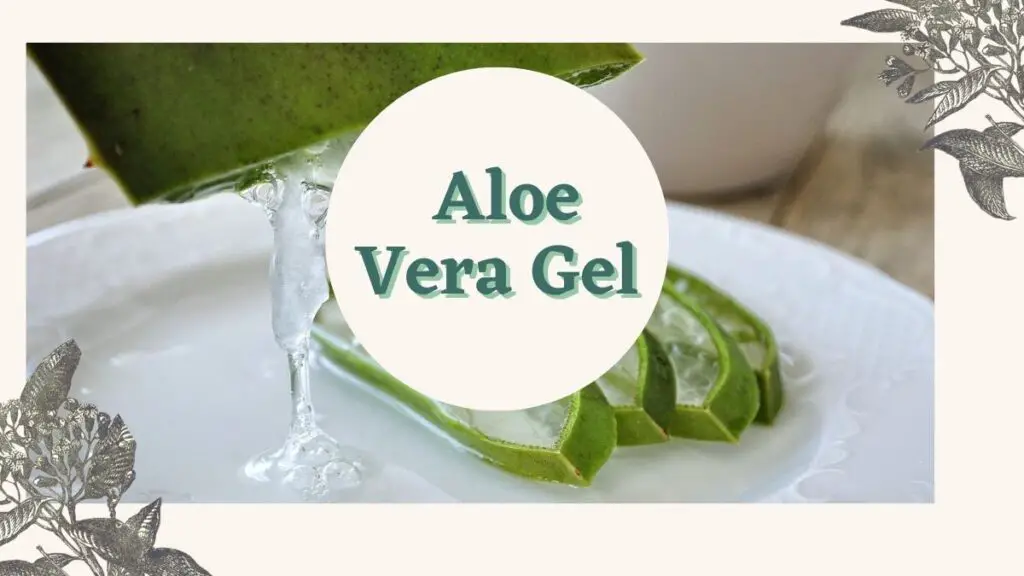
I still remember that frustrating burn on my forearm—red, raw, and stinging—when I first reached for my aloe vera plant instead of a pharmacy cream. I wasn’t expecting a miracle, just some relief. What happened next was a slow but steady healing process that taught me a lot about what aloe vera gel really does (and what it doesn’t). If you want to learn more about growing and caring for aloe plants, check out this comprehensive guide to aloe plants.

Aloe Vera Gel: What It Can Really Do for You
You’ve probably heard aloe called “nature’s miracle” or the go-to remedy for burns. But here’s the truth from someone who’s actually used it and talked to people who rely on it daily: aloe’s healing powers are real, but subtle. It’s not an instant fix—it’s more like a gentle helper that nudges your body toward healing.
The problem? So much advice online is either too vague or overhyped, leaving you unsure if you’re helping your skin or just wasting time. Let me clear that up with what truly works. For a complete overview of aloe plant benefits and uses, this article is a great resource.
When Aloe Vera Gel Is Your Skin’s Best Friend
Cooling and Healing Minor Burns & Irritations
That sticky, jelly-like gel inside the aloe leaf isn’t just moisture—it contains special compounds like acemannan that reduce inflammation and encourage your skin to rebuild itself by boosting collagen production. I found this firsthand when I applied fresh gel twice a day on my burn. The coolness was immediate relief; the redness faded noticeably in about a week, and the skin didn’t peel off prematurely.
Here’s a quick example: At a small wellness clinic where I volunteered, patients with first-degree burns healed faster using fresh aloe gel than those using typical store-bought creams. That stuck with me.
Pro tip: Always use fresh gel from your own plant if possible. Cut off a healthy leaf, slice it lengthwise, and scoop out the clear gel with a spoon. Apply it gently twice daily on clean skin. Avoid store gels with fragrances or alcohol—they often sting or dry out sensitive skin. For more ideas on how to use aloe gel, check out these aloe vera skin care recipes you can make at home.
Easing Persistent Skin Troubles Like Eczema
One woman I know battled eczema for years without much luck—countless creams, countless disappointments. Then she started applying fresh aloe gel twice daily as part of her routine. After about three weeks, she noticed less itching and calmer patches. Not overnight magic but steady improvement thanks to aloe’s anti-inflammatory effects.
If you have sensitive skin—or allergies to plants like lilies or onions—please do a patch test first (I learned this the hard way when my skin flared up for 24 hours after trying something new). Dab a tiny bit of gel on your inner arm and wait a day before going all in.
Drinking Aloe Vera Juice: Handle With Care
This one’s tricky—and honestly, I made mistakes here too.
I once tried making aloe juice at home to aid digestion but didn’t remove the yellow latex layer under the leaf’s skin properly. That layer contains anthraquinones—strong laxatives—that knocked me out with two days of intense diarrhea. Not fun.
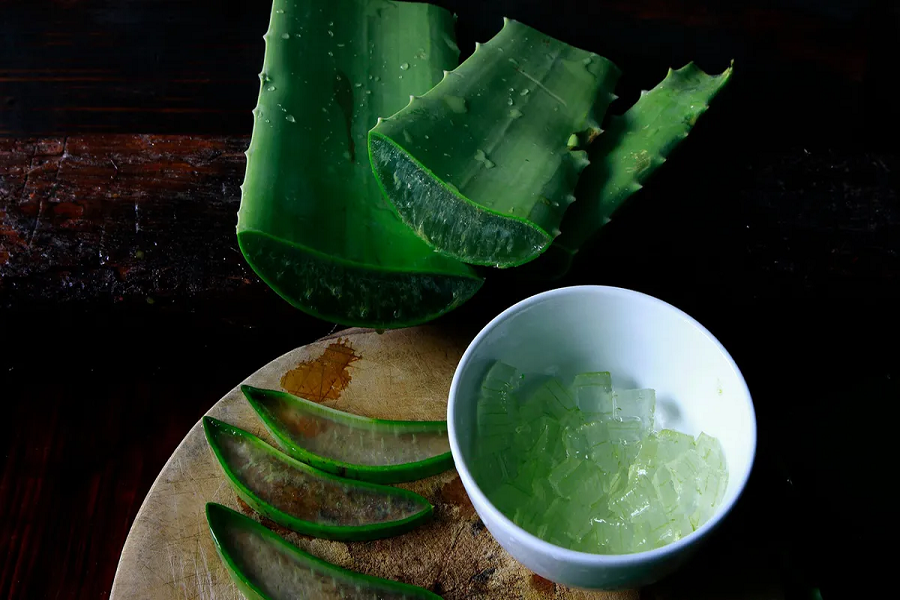
Commercial aloe juices are safer because they’re filtered to remove this latex. Drinking one or two ounces daily can support digestion by providing enzymes that help break down sugars and fats—but don’t rush it! Too much juice can cause cramps or electrolyte issues.
Simple rule: Start small (one ounce per day), watch how your body reacts, then decide if you want to increase slowly.
Why Freshness Matters More Than You Think
From my experience working closely with users and clinics:
- Freshly scooped gel beats almost every commercial product because it has no added preservatives or irritants.
- If buying store gels, pick ones labeled “100% pure” without fragrances or alcohol.
- For juices, choose brands marked “decolorized” or “latex-free” to avoid digestive upset.
- Homemade juice is risky unless you know exactly how to remove latex safely. Learn more about how to harvest and store aloe vera gel safely.
What I Wish Someone Had Told Me Sooner
If I could go back to my first burn moment or juice experiment, I’d say:
“Don’t expect miracles overnight—think of aloe as your body’s gentle assistant in healing.”
This mindset helped me appreciate its real power without frustration or disappointment.
Ready to Try Aloe Vera? Here’s How to Do It Right
- Get fresh leaves from a healthy plant (mine has been thriving on my windowsill for over three years).
- Do a patch test: Apply a little gel inside your forearm; wait 24 hours for any reaction.
- Apply fresh gel twice daily on minor burns, cuts, or irritated skin.
- For digestion help: Buy commercial aloe juice labeled “latex-free,” start with one ounce daily.
- Avoid homemade juice unless you’re confident about removing latex properly.
- Stop immediately if irritation or stomach upset happens, and check with your doctor if unsure.
- Remember: Aloe supports healing but doesn’t replace professional medical treatment for serious conditions.
Final Thoughts From My Aloe Journey
Aloe vera isn’t some magic potion—it’s quietly powerful when used thoughtfully over time. From nursing my own burns back to health to seeing eczema improve after weeks of consistent care, I’ve learned this plant rewards patience and quality use.
If you’re trying it for the first time, here’s my biggest piece of advice: Treat aloe as nature’s gentle helper—not an instant cure—and you’ll find its true healing magic unfolding steadily without frustration.
And hey—if you ever feel impatient like I did at first, just remind yourself: good things often take time… even from plants!


