Discover Alpine Lady Fern: Nature’s Elegant Forest Treasure
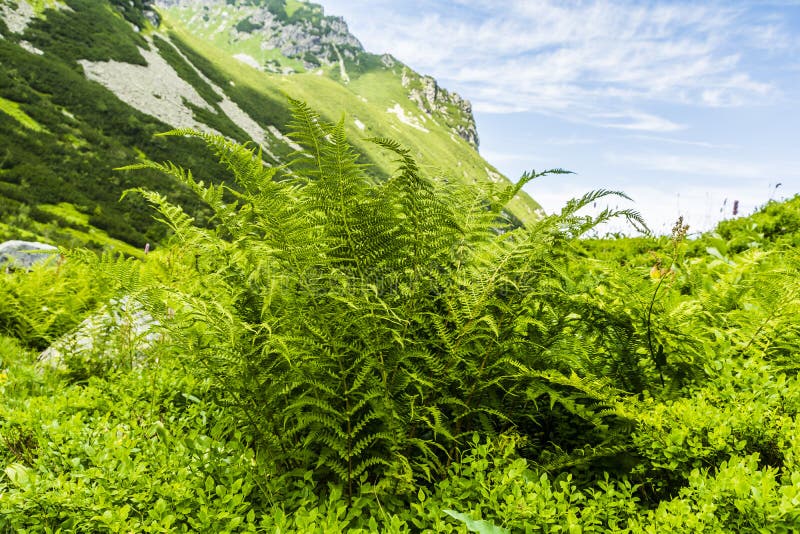
When I first met the Alpine Lady Fern (Athyrium distentifolium), I thought, “Another fern? How tricky can it be?” Spoiler alert: way trickier than your average shade plant. My very first attempt gave me a sorry patch of yellowed, scraggly fronds—more of a cautionary tale than garden glory. It took nearly three seasons of trial, error, and some serious soil sleuthing before I finally cracked what this fern truly needs. If you’re ready for some insider tips from someone who’s been there and botched that, keep reading.
Why Alpine Lady Fern Isn’t Your Typical Shade-Loving Fern
Most folks lump all ferns together: give them shade and moisture, done deal. But the Alpine Lady Fern flips that script. This species hails from alpine and subalpine zones in Europe and North America—places with cool summers, tough winters, and soils that stay rich but don’t hold water forever.
Here’s the catch: it loves consistent moisture but hates soggy feet. When I planted mine in what I thought was “moist” clay soil, it basically drowned slowly over summer—yellowing and sulking like a teenager grounded at home. Only after mixing in generous amounts of leaf mold and compost did it start to smile again—and even then, only once I moved it away from afternoon sun bouncing off my driveway’s concrete.
How to Spot Alpine Lady Fern Like a Pro
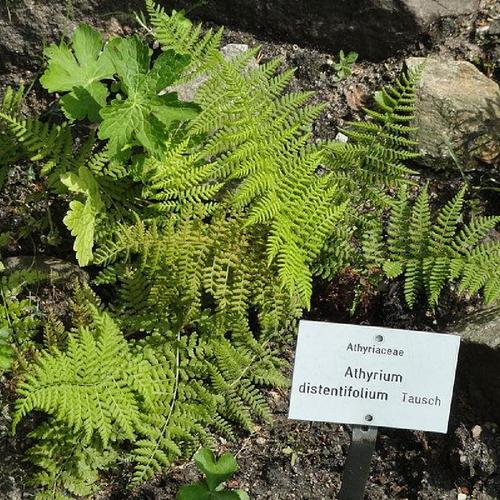
If you’re out hiking or shopping for ferns, don’t confuse this one with its close cousin, the common Lady Fern (Athyrium filix-femina). Here’s what helped me nail identification:
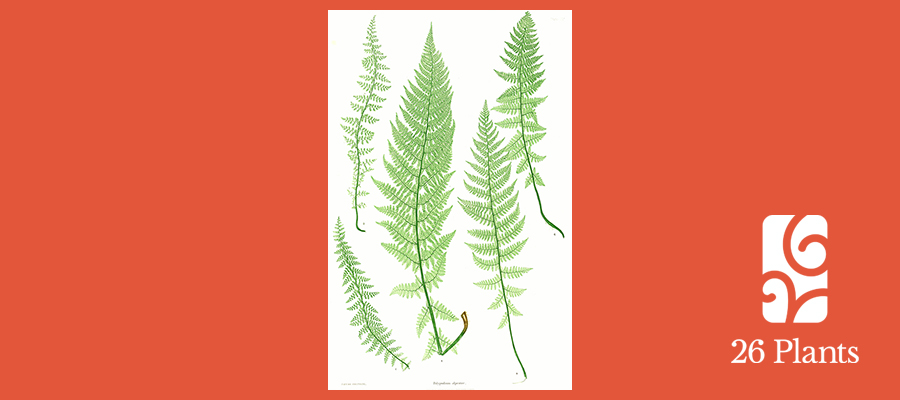
- Fronds: Broader than expected, with a delicate lace-like texture—but sturdier than you’d think.
- Size: They stay modest—12 to 24 inches long—smaller than their garden-famous cousin.
- Color hints: Catch them in morning light and you might see a subtle bluish-green shimmer—it’s hard to fake.
- Growth style: They spread gently in clumps from underground rhizomes—slow and steady wins this race.
- Altitude tip: Usually found above 4,000 feet—mountain slopes or rocky woods are their hangouts.
The Growing Game Plan — What Worked After My Epic Fail
After watching my first attempt turn crispy brown by midsummer (thank you, heat radiating off nearby concrete), I got serious about recreating its natural mountain vibe:
-
Location is everything
Look for dappled or deep shade spots under deciduous trees or on north-facing slopes. Even filtered afternoon sun can stress these ferns out. -
Soil prep with purpose
My stubborn clay soil needed an overhaul. Over one weekend, I dug in about 3 inches of homemade leaf mold plus well-rotted compost to lighten the soil while boosting organic matter. The goal? Soil that stays moist but drains quickly—no soggy roots allowed!
(If you’re new to leaf mold: it’s basically decomposed leaves that turn into spongy, crumbly humus perfect for moisture regulation. You can make your own by piling fallen leaves in a shady corner and letting nature do its thing over a year or two.)
-
Plant timing matters
Early spring or fall gives roots time to settle before heat waves or freezes hit. -
Water vigilantly
These ferns don’t tolerate drying out more than 2 days during summer droughts. For me, deep watering every 3 days plus mulching with shredded bark at least 4 inches thick kept mine happy—even through Vermont’s dry spells. -
Skip heavy feeding
Tried weekly liquid fertilizer once—I ended up with weak, leggy fronds prone to disease instead of lush growth. Now I stick to compost-enriched soil only. -
Winter protection
In areas with freeze-thaw cycles, thick mulch helps prevent frost heaving—a sneaky problem where rhizomes get pushed out of the ground if not protected.
Real-Life Wins That Keep Me Going
- A friend in Vermont planted Alpine Lady Fern beneath sugar maples on a cool hillside using almost exactly these steps—and by year two had healthy clumps thriving without any yellowing.
- At a riparian restoration project near Colorado’s Rockies where I volunteered, we mixed these ferns into gravelly soil amended with organic matter; within 18 months they stabilized banks and provided shelter for amphibians—a real ecological MVP.
- My indoor greenhouse experiment? Total flop. Bright windowsill + inconsistent misting = dry edges and stunted growth within weeks. Lesson learned: this fern wants outdoor alpine humidity or greenhouse conditions—not your sunny kitchen window.
The Microclimate Factor Nobody Talks About (But Should)
Here’s where many guides miss the mark: microclimate will make or break your Alpine Lady Fern experience. Even if shade and moisture seem right on paper, things like nearby heat-reflecting surfaces or wind exposure can silently dry these ferns overnight.
I remember pacing around my garden at dusk trying to figure out why my ferns browned despite “ideal” conditions—it turned out my concrete steps were radiating heat well past sunset! Moving them just 10 feet away made all the difference.
Troubleshooting Tips From My Scrapes
- Yellow fronds? Usually too much sun or drying soil; try shade cloth or relocating.
- Wilting/browning? Deep watering plus fresh mulch usually does the trick.
- Stunted growth? Probably compacted soil; gently fork around roots without disturbing too much.
- Fungal issues? Rare if drainage is good; remove affected fronds immediately.
- Still unsure about ID? Compare frond divisions closely against photos from trusted botanical sources before committing.
Quick Care Checklist for Alpine Lady Fern
- Plant in deep/dappled shade; avoid afternoon sun
- Amend soil heavily with leaf mold + compost for moisture balance
- Plant early spring or fall for best root establishment
- Water deeply every 3 days in summer; never let soil dry >2 days
- Mulch thickly (4+ inches) with shredded bark or leaf litter
- Avoid fertilizers beyond compost; they cause weak growth
- Protect roots with mulch during freeze-thaw winters
What I’d Tell My Friend Starting Out With Alpine Lady Fern
Patience is key here—this isn’t an aggressive grower but a slow beauty that rewards steady care over years. Resist quick fixes like fertilizers or moving plants too often—they crave consistency like their native mountain homes provide.
Scout your coolest shady spots now, gather plenty of leaf mold (if you haven’t tried making your own yet—do it! It’s magic), and plan your planting for early spring or fall when nature gives the best head start.
Keep notes or photos monthly—that helped me spot problems early before they became ugly disasters—and don’t hesitate to reach out to local plant societies if you’re unsure about ID or care quirks.
There’s something quietly thrilling about watching those first crisp green fronds unfurl each spring after all the struggle—it feels like winning a small battle against nature itself. And trust me—that thrill never gets old.
Your Alpine Lady Fern adventure awaits: give it respect, patience, and just the right home—and soon enough you’ll have a little piece of elegant mountain wilderness right there in your backyard shade garden.


