Alpine Violet Annual: Key Insights for Optimal Growth and Care
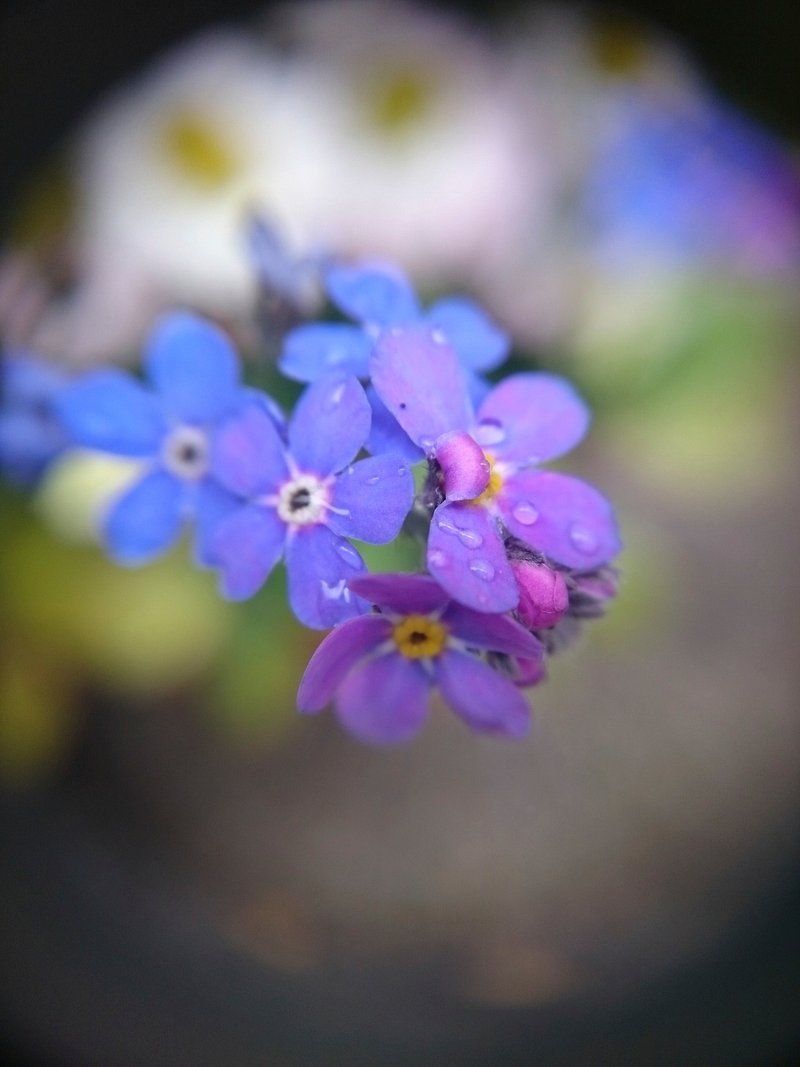
When I first met Alpine Violet Annuals (Viola cornuta), I thought, “Great, another violet that all look the same.” Boy, was I wrong. These little plants have personality—and patience and precision are key if you want them to shine. After a few rookie mistakes and some trial-and-error, I ended up with a lush purple carpet that lasted almost three months. Here’s what I learned, so you don’t have to relearn it the hard way.
Why Alpine Violets Won Me Over
It’s not just their soft purple flowers—though those are lovely—it’s how tough and adaptable they are. Unlike pansies that wilt in the summer heat, Alpine Violets push through if you treat them right. I’ve grown mine in everything from terracotta pots on my porch to a rocky slope in full sun. Each time, they bloomed nonstop from April well into September.
Here’s something most guides don’t tell you: these violets actually prefer some afternoon shade if you’re gardening in zones warmer than 6. My first year, planted in full sun all day in zone 8, half of them turned crispy by June. Moving them under partial canopy for afternoon shade brought them back to life within two weeks—flowers exploding like nothing had happened.
The Watering Mistake That Nearly Killed Them
If there’s one thing that almost wiped out my first batch, it was overwatering. I was watering every day because my heart told me they were thirsty—but their roots were drowning and rotting under the soil. It was awful.
The fix? Deep watering twice a week until water drained from the pot’s bottom. This forced roots to grow deeper and stronger instead of staying shallow and weak. Also, adding about 20% perlite to my soil mix made a huge difference—keeping the soil airy but moist enough without turning swampy.
Soil and Light: The Winning Combo
I’m picky about soil—and Alpine Violets demand well-draining but moisture-retentive ground. For containers on my porch, I mixed equal parts quality potting soil, six-month-aged compost from my garden heap, and perlite. This combo was fluffy yet held just enough moisture.
The light situation is tricky: these violets love morning sun but hate hot afternoon rays (especially in zones 7+). If your garden gets blazing afternoons, find spots shaded by trees or buildings after 2 pm—that little bit of relief keeps them happy and blooming longer.
Starting Seeds: Timing Is Everything
Here’s where many gardeners (me included) trip up: starting seeds too late indoors results in spindly seedlings that struggle after transplanting. My mistake was planting only five weeks before last frost—it wasn’t enough time.
The sweet spot? Start seeds 8-10 weeks before your last frost date indoors. Use grow lights on a timer for about 14 hours daily (I swear by affordable LED strips). This schedule gives seedlings strong leaves and stocky stems ready for outdoor life.
Fertilizing Without Going Overboard
I used to think “more fertilizer = better growth,” feeding weekly with high-nitrogen mixes. Nope! With Alpine Violets, too much fertilizer produces lanky stems and fewer flowers.
After several tries, I settled on feeding lightly every 4-6 weeks with a balanced 10-10-10 fertilizer or diluted organic fish emulsion at half strength. The plants stay compact with plenty of blooms—not leggy and floppy.

Deadheading: Your Secret Weapon
This one sounds simple but really changes the game—deadhead spent flowers regularly. I set an alarm on my phone every three days during peak bloom season just so I don’t forget.
Why bother? Because if you let faded flowers go to seed early, the plant diverts energy into seed production instead of making new flowers. Snip those old blooms off promptly, and your violets will reward you with an extra month or more of nonstop color.
Real-Life Examples That Worked for Me
-
Porch Planters: Two half-barrel planters filled with my soil mix; planted 12 seedlings spaced about 7 inches apart; watered deeply every five days; fertilized twice with diluted fish emulsion during the season. Result? Over 11 weeks of vibrant purple petals drawing compliments—and zero fungal problems.
-
Rock Garden: Seeded directly over rocky soil amended with about 30% coarse sand by volume; germination took three weeks instead of two—but survivors were tough as nails, blooming heavily by July even when temps hit near 90°F.
-
Raised Bed: A friend layered compost-rich soil topped with mulch for moisture retention without puddling; planted under afternoon shade from a maple tree; her violets thrived through September despite summer highs near 85°F.
Troubleshooting Quick Hits
-
Droopy leaves? Check drainage immediately—too much water is usually the problem.
-
Yellow leaves? Could be overwatering or fertilizer burn from feeding too often or too strongly.
-
Seedlings falling over? Probably not enough light indoors—use LED grow lights or move closer to a sunny window.
-
Aphids alert! These pests love young violets early on; treat quickly with neem oil or insecticidal soap before they multiply.
And please—don’t crowd your plants! When I packed seedlings inches apart the first year, fungal spots spread fast due to poor airflow. Give each plant at least 6–8 inches breathing room—they’ll thank you by staying healthier.
What I'd Tell a Friend Just Starting Out
Start small: buy three healthy Alpine Violet seedlings from your local nursery rather than jumping straight into seed starting unless you love experimenting indoors like me!
Focus first on getting watering right—deep but less frequent—and deadheading regularly. Those two habits make the biggest difference early on.
And don’t sweat losing one or two plants here and there—it happens! Once you get their rhythm down, these violets are forgiving and will reward you with months of color that few other annuals can match.
Quick Start Checklist for Alpine Violet Success
- Start seeds indoors: 8–10 weeks before last frost
- Soil mix: Equal parts potting soil + aged compost + perlite (~20%)
- Sunlight: Morning sun + afternoon shade (if zone >6)
- Watering: Deep soak twice weekly; avoid daily light watering
- Fertilize: Light feeding every 4–6 weeks with balanced fertilizer or diluted fish emulsion
- Spacing: At least 6–8 inches between plants
- Deadhead: Every 3 days during bloom season
- Watch for pests: Treat aphids early
What To Expect Along The Way
Don’t expect instant perfection—seedlings might be slow or finicky at first (mine were!). But once established, Alpine Violets bloom steadily from spring through early fall if cared for properly.
Remember when my half of them went crispy under full sun? That moment stuck with me—the surprise that less sun sometimes equals healthier plants changed how I garden forever.
Gardening isn’t always tidy or predictable—and isn’t that part of the fun?
Give these tips a try—you might find yourself as hooked as I am watching those delicate purple petals unfold each morning after your care. They’re worth every minute spent learning their quirks firsthand.
Happy gardening!


