Alpine Water Fern: Easy Guide to Growing and Caring for It
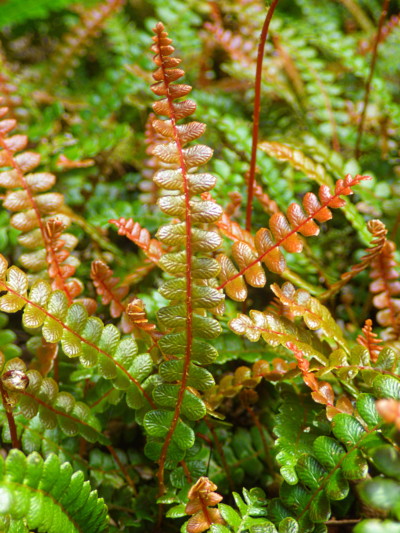
I still vividly remember the first time I actually noticed an Alpine Water Fern (Blechnum penna-marina) on a chilly morning hike in the Southern Alps. It was tucked away beneath a mossy rock ledge, its slender fronds glistening with dew like tiny emerald blades edged with silver. That quiet moment sparked something unexpected—I knew I had to bring one home. But spoiler alert: caring for this fern wasn’t as straightforward as I thought.
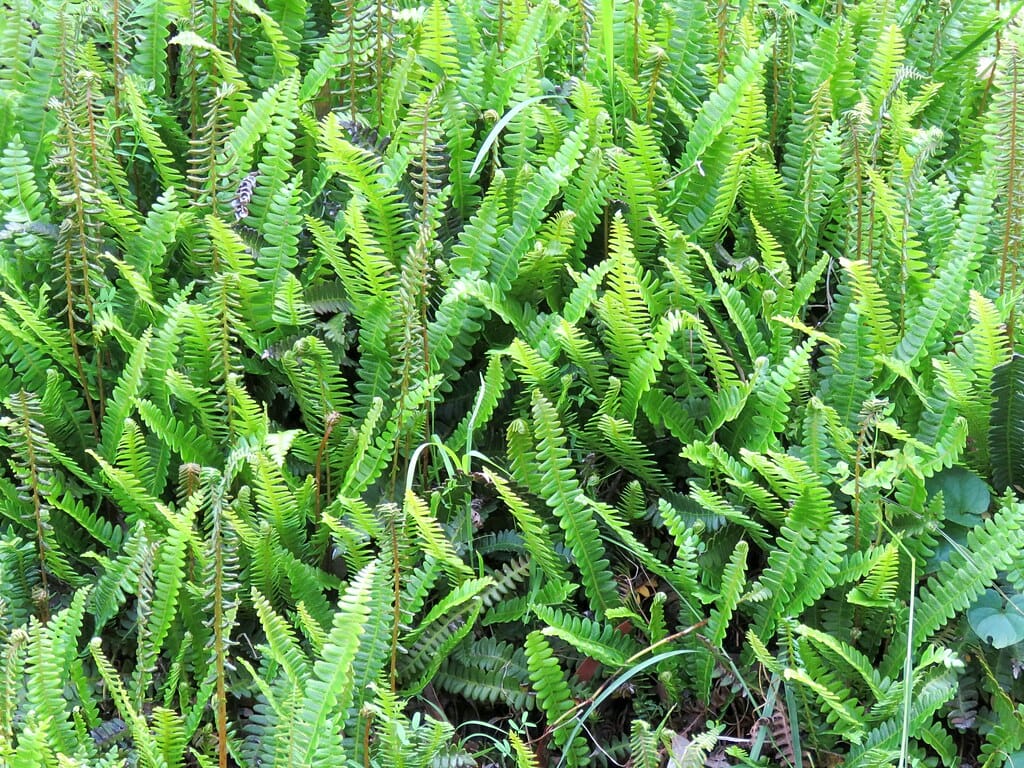
After a few frustrating weeks of wilted leaves and stubborn fronds refusing to unfurl, I realized Alpine Water Ferns have their own set of quirks—quirks you only learn by paying close attention and making plenty of mistakes. The payoff? Once you crack their code, they’re surprisingly tough and incredibly rewarding companions for any garden or indoor jungle.
Here’s what I’ve uncovered over years of hands-on experience—things you won’t find in every plant care guide.
What Makes Alpine Water Fern Stand Out
This fern is subtle. If you don’t know what to look for, it just blends into the green background. Here’s how to spot it:
- Fronds that whisper, not shout: Unlike your typical feathery ferns, these fronds are narrow and lance-shaped—like sleek green swords about 6 to 12 inches long. They don’t scream “look at me!” but quietly hold their own.
- A color story: Young fronds often show a faint blue-gray tint that deepens into a rich medium-to-dark green over time—imagine spotting the softest mist clinging to leaves on a cool morning.
- Growth habit: Instead of shooting up tall, this fern forms low, dense mats—ideal for alpine stream banks or shaded coastal rocks where it naturally thrives.
- Rusty spore backs: Flip a frond over and you’ll see rusty brown sori (spore clusters) lining the underside—a classic Blechnum signature many beginners miss until they’re knee-deep in identification.
The Environment Puzzle: What Nobody Tells You
Everyone says “keep soil moist” and “avoid direct sun,” but let me tell you—it’s more nuanced than that. My first fern wilted even under “shade.” Why? Because true shade isn’t just any shadow; it’s dappled light filtered through taller plants, never harsh or direct for more than an hour or two in the morning.
For example, I once placed mine by a north-facing window that got bright afternoon sun. Within days, the fronds curled up like burnt paper. Moving it underneath an overhanging camellia bush changed everything—the fern perked up as if relieved.
Temperature is another sneaky factor most guides skim over. Alpine Water Ferns love coolness in a way tropical ferns don’t. If your summers regularly hit around 85°F (29°C), expect some stress unless you can create cooler microclimates—think shaded patios or cool bathrooms with indirect light.
Soil & Moisture: The Balancing Act
Here’s where I really goofed early on: overwatering. Sounds odd since these ferns grow near streams, right? But they actually hate soggy roots—their roots need air almost as much as water.
My magic soil mix ended up being roughly:
- 50% peat moss (holds moisture without drowning roots)
- 30% perlite (boosts drainage and airflow)
- 20% compost (feeds the plant naturally)
This blend mimics their natural loamy soils without turning into a swamp after watering.
Watering? Forget rigid schedules. Instead, feel the soil daily:
- If it feels even slightly soggy just below the surface, hold off watering.
- If it’s dry about an inch down, give it a drink.
This simple habit stopped my fern from drowning and encouraged steady growth instead of sudden leaf drops.
Care Rituals That Made All the Difference
After six months of trial—and yes, plenty of error—these habits helped my fern truly thrive:
- Gentle feeding: A diluted liquid fertilizer every 4–6 weeks during spring through early fall works best. Overfeeding burns leaves faster than underwatering ever did.
- Pruning with purpose: Snip yellow or damaged fronds immediately—not just for looks but to prevent fungal issues in damp conditions.
- Humidity hacks: In dry winters, I keep my fern happy by placing it near a pebble tray filled with water or misting lightly every 3–4 days. It seems to love this boost and unfurls new fronds with gusto.
- Pot choice matters: Indoors, clay pots with large drainage holes are lifesavers because plastic pots tend to trap too much moisture.
- Winter care: In temperate gardens, mulch heavily around outdoor plants when frost threatens; container ferns get brought inside to cool rooms with indirect light.
Real-Life Wins & Warnings
One client in Colorado struggled with browning fronds until she moved her fern from full sun on her balcony to an east-facing spot behind larger plants—and switched her soil mix to peat/perlite/compost after losing two ferns to root rot within three months.
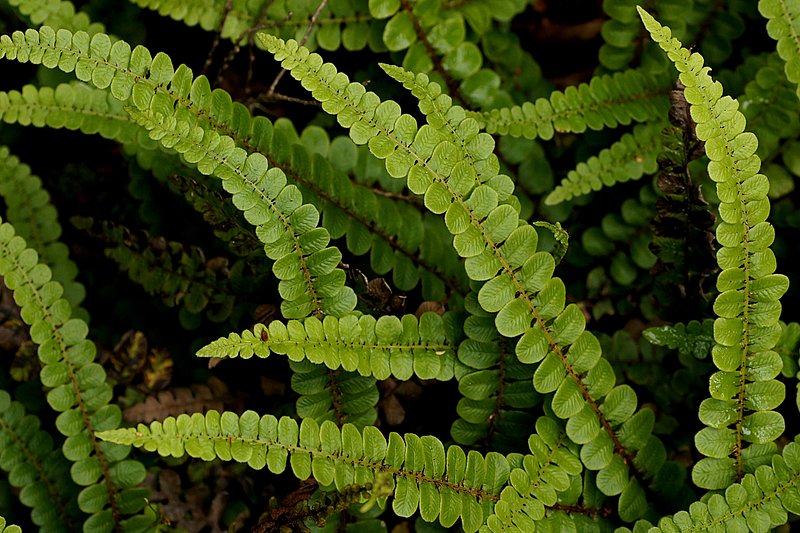
Meanwhile, my bathroom experiment surprised me: despite limited space and occasional neglect (no shame here), steady humidity from showers plus natural morning light kept my fern thriving for over two years.
Counterintuitive Truths That Took Me By Surprise
You might think ferns want constant moisture and will shrivel if soil dries out even briefly—but actually, letting soil dry slightly between waterings strengthens roots and encourages healthier growth overall.
Also, rushing propagation by dividing clumps too early usually backfires—you need mature rosettes with several healthy fronds before splitting; otherwise both new and old plants risk stunting.
Quick Care Summary: Your Alpine Water Fern Cheat Sheet
- Light: Bright indirect/dappled shade; avoid harsh afternoon sun
- Temperature: Cool preferred; avoid temps above 85°F (29°C)
- Soil mix: ~50% peat moss + 30% perlite + 20% compost
- Watering: Check soil daily; water only when top inch feels dry
- Humidity: Mist every few days or use pebble tray during dry spells
- Feeding: Diluted liquid fertilizer every 4–6 weeks during growing season
- Pruning: Remove yellow/damaged fronds promptly
- Potting: Use clay pots with drainage holes
- Winter care: Mulch outdoors; bring indoors if freezing likely
Troubleshooting Tips
Fronds curling or browning? Likely too much sun or heat—move fern to cooler spot with filtered light immediately.
Leaves yellowing all over? Could be overwatering or poor drainage—check soil texture and pot drainage holes.
Slow growth or no new fronds? Maybe underfed or too dry; try gentle feeding and check humidity levels.
Why bother caring for such a quiet plant? Beyond its delicate beauty lies an ecological powerhouse stabilizing fragile alpine soils against erosion while sheltering tiny critters we often overlook. Caring for one felt like joining an ancient conversation between mountains, mist, and moss—a humbling reminder that patience doesn’t just grow healthy plants but deep connection.
If you’re ready to welcome an Alpine Water Fern into your life:
- Buy from trustworthy nurseries specializing in alpine natives (wild-harvesting is illegal and unfair).
- Scout shady, cool spots with consistent moisture but excellent drainage.
- Prepare your soil thoughtfully—the peat-perlite-compost mix is my secret weapon.
- Keep watering intuitive—feel before you pour!
- Practice patience; those slender green spears take their time emerging but reward you richly when they do.
- Connect with local plant communities online—they’ll keep your motivation alive when progress seems slow.
Remember: This modest fern doesn’t rush—it whispers its presence slowly—and that’s exactly where its charm lives.
Give it time and care with intention—you’ll soon watch those narrow emerald blades transform not only your space but also your confidence as someone who truly listens to nature’s quiet voices. And honestly? There’s nothing quite like that feeling.


