Amaumau Fern: Unveiling Growth Patterns Through Data Analysis
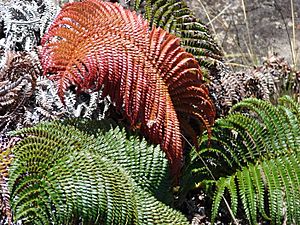
Amaumau Fern isn’t just another tropical plant you toss into your garden and hope it survives. Over the years, I’ve learned that caring for this native Hawaiian fern means tuning in—not just to its physical needs but to its subtle “preferences.” It’s a plant shaped by nature to thrive in a very specific spot: shady, moist places where gentle changes in light, humidity, and soil tell it how to live. Ignoring those signs is why so many well-meaning people accidentally kill their Amaumau.

Step 1: Seeing Amaumau Through Its Own Eyes — Identification Beyond Just Looks
When I first tried spotting Amaumau on a hike near Hilo, I thought all delicate ferns looked the same. Boy, was I wrong! That day I wasted hours chasing the wrong plant because the differences are subtle but important. Amaumau’s fronds aren’t just “lacy”—they have a feather-like pattern that actually helps them soak up moisture while avoiding too much sun.
Think about it like this: Amaumau “chooses” spots where its leaf shape gives it an advantage—too much sun scorches those fine fronds; too little moisture dries them out fast. So when you’re identifying it, don’t just look at the shape—check where it’s growing. Is the humidity steady but the soil well-drained? If yes, you’re probably looking at Amaumau.
Step 2: Why Amaumau Loves Its Niche — Understanding Its Survival Strategy
Amaumau grows naturally in mid-elevation wet forests where rain comes often but the soil never stays soggy for long. That balance is crucial. Too much waterlogged soil will drown its roots; too dry and those delicate tissues suffer.
I remember consulting with a small nursery on Oahu trying to grow Amaumau for reforestation. They kept watering constantly, thinking wetter meant faster growth. Instead, root rot took down most plants quickly. Only after they shifted to watering deeply but less often—letting soil almost dry between sessions—did the ferns start thriving.
This taught me that Amaumau’s roots need air as much as water—kind of like how wet feet feel uncomfortable after a while, right? The trick is to keep soil moist but not swampy.
Step 3: Growing Amaumau — Precision Beats Passion Every Time
General advice like “keep soil moist” or “avoid direct sun” doesn’t cut it with this sensitive fern. From my own trials (and some failures), here’s what really works:
-
Soil Mix: Use a blend of peat moss (or coconut coir if peat isn’t available), leaf mold or composted leaf litter, and local forest loam or good-quality potting mix. This combo holds moisture without turning into mud.
-
Location: Partial to full shade works best—under ʻōhiʻa trees if you can find them—or at least somewhere protected from harsh afternoon sun. These trees help create a mini climate with stable humidity and airflow.
-
Watering: Instead of daily watering (which drowns roots), water deeply every 4 to 5 days during Hawaii’s dry season. When it rains more often, cut back drastically.
-
Humidity: Amaumau “breathes” through its fronds and needs air humidity above 60%. Indoors or drier places? Mist twice daily or use a humidifier nearby.
I’ll be honest—I lost half my indoor fern’s fronds over two months because I ignored humidity at first. The leaves drooped quietly day by day until I bought a small ultrasonic humidifier set around 65% relative humidity near the plant. Almost overnight, new growth popped up again.
Step 4: Real Stories from Growers and Conservationists
One friend planted Amaumau under big ʻōhiʻa trees in her backyard on Oahu. She mulched heavily with native leaf litter and watered every three days during dry spells. After two years, her ferns were lush—but importantly—they didn’t spread wildly like weeds; they grew slow and steady just like in the wild.
Compare that with efforts at Volcano National Park on the Big Island where conservationists grow spores in sterile labs to avoid fungal infections—a tricky process most home growers can’t replicate easily. They raise young ferns in shade houses with controlled humidity before replanting them into protected forests damaged by invasive species.

Step 5: Troubleshooting — When Your Fern Is Trying To Tell You Something
Amaumau talks through its leaves:
-
Yellow or brown spots? Usually too much sun or uneven watering stressing it out—not just brightness but sudden changes confuse it.
-
Drooping fronds? Could be underwatering or roots cramped in their pot (root-bound). Took me months to figure this one out!
-
Pests? Scale insects are rare but can pop up indoors fast; neem oil helps—but apply carefully so you don’t harm the fern chemically.
A tip many beginners miss: trying to grow from spores without sterile conditions almost always fails because fungi take over quickly—not because spores are weak themselves, but because they’re vulnerable in uncontrolled environments. Dividing mature plants is usually easier for starters.
Step 6: The Mindset Shift — From Forcing Growth To Patient Listening
Here’s something I struggled with myself—I was so eager when I first brought Amaumau indoors that I watered daily and moved it around chasing “perfect” light spots. Spoiler alert: that stressed it more than helped!
What really worked was stepping back and adopting an observer’s mindset: watch how your fern reacts over several days instead of hours, change only one thing at a time, and accept slow progress as normal—even good!
This patience echoes how native Hawaiians view ferns—not as things to control but as part of an ecosystem you respect and learn from.
Step 7: Quick Actions To Build Confidence Right Now
-
Visit local botanical gardens featuring native Hawaiian plants—seeing Amaumau growing naturally is worth more than any photo guide.
-
Buy plants from nurseries specializing in native species or conservation programs—they usually ensure healthy genetics.
-
Prepare your planting spot with organic-rich, well-draining soil amended with forest litter if possible.
-
Provide shade using existing trees or shade cloth rated to reduce light by about 50–70%.
-
Develop a watering schedule based on your local weather—use inexpensive moisture meters rather than guessing.
-
Check your fern weekly for stress signs rather than worrying every day—it helps reduce overcare anxiety!
Final Thought To Keep You Going
If I were giving advice to someone starting with Amaumau for the first time, I'd say this: Don’t treat it like an ordinary houseplant you can fully control; treat it like a guest from an ancient Hawaiian forest you want to get along with. Your success comes not from forcing growth but from learning its subtle language—the way it responds to light shifts, moisture changes, even your presence nearby.
In this relationship lies something special—not just having a beautiful fern but connecting deeply with Hawaii’s unique natural rhythms.
You’re not just growing a plant—you’re nurturing an ancient conversation between land and life. And once you listen closely enough, Amaumau will thrive under your care like nowhere else on earth.
If you want me to help simplify any step further or give specific product recommendations for your area, just ask! Growing Amaumau isn’t always easy—but it’s absolutely worth the effort once you start hearing what your fern is telling you.


