Amazon Sword Plant Care: Data-Backed Guide for Optimal Growth

Amazon Sword Plants: The Definitive Master Class for Turning Your Aquarium Into a Lush Underwater Jungle
I still remember the day I brought home my very first Amazon Sword Plant—a small, scruffy bunch of leaves that looked straightforward enough to care for. But within weeks, I realized it wasn’t the “easy plant” I’d hoped for. Leaves yellowed, crowns rotted, and frustration mounted. Over years of trial, error, and stubborn experimentation, I finally cracked the code. Now, my 40-gallon tank boasts a thriving Amazon Sword jungle—lush, vibrant, and full of life.
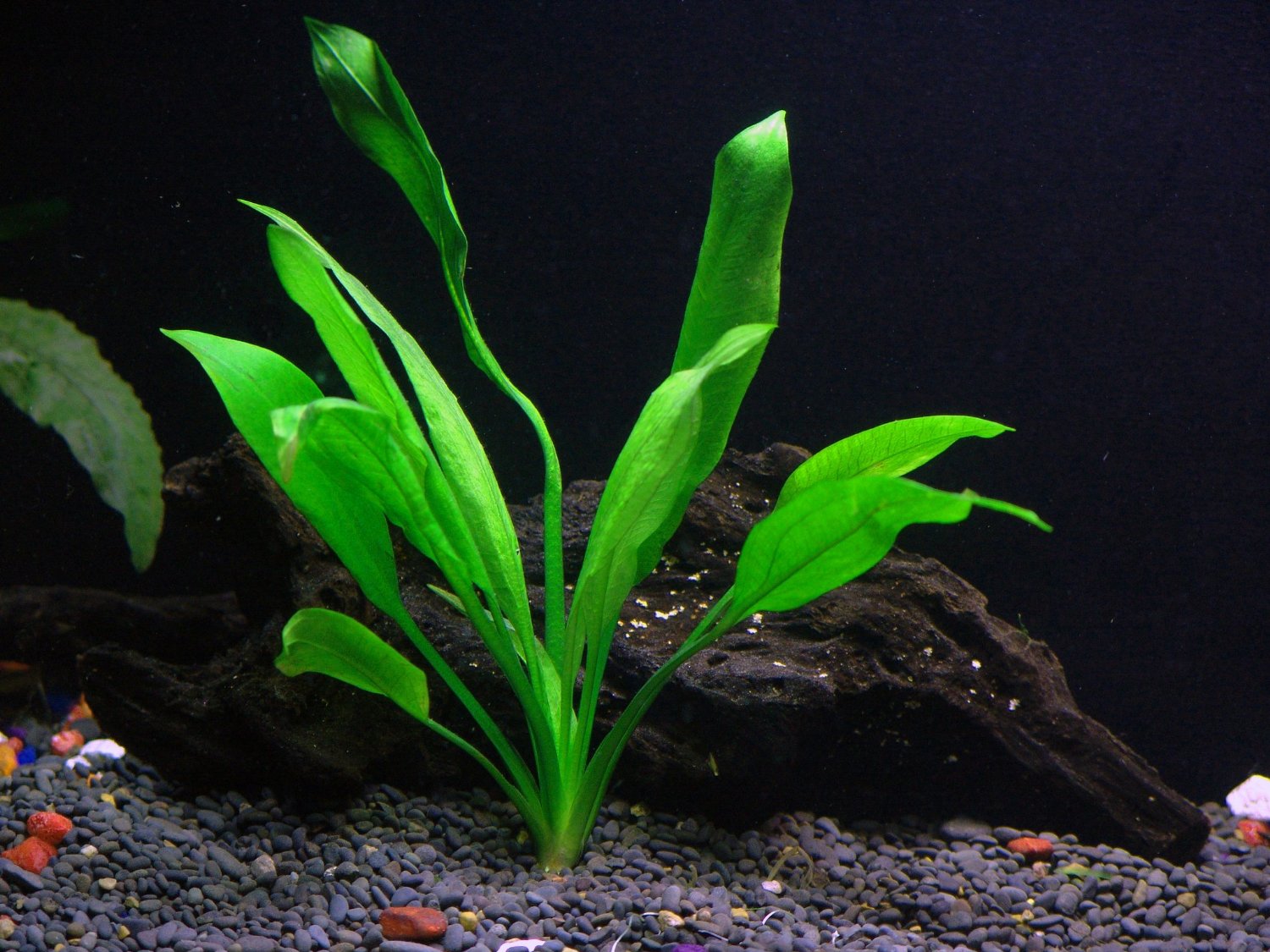
This article is your all-in-one guide. Whether you’re starting fresh or struggling with a sickly sword, I'll walk you through everything—from setup basics to advanced troubleshooting—so you can grow your own underwater masterpiece.
Quick Starter Checklist: What You Need to Know Before Planting
- Tank size: Minimum 20 gallons (bigger is better; these plants grow large)
- Substrate: Nutrient-rich soil (like ADA Aqua Soil Amazonia) at least 2 inches deep
- Lighting: Mid-to-high intensity LED; 8–10 hours daily
- Water temperature: 72–82°F (22–28°C)
- pH: Slightly acidic to neutral (6.5–7.5)
- Fertilizers: Root tabs + weekly liquid fertilizers
- CO₂: Highly recommended for dense growth; DIY kits or pressurized systems
- Plant spacing: At least 6 inches apart to avoid crowding
Keep this list handy as your planting blueprint.
Why Choose Amazon Sword Plants?
You’ve probably seen their broad, sword-shaped leaves slicing through aquarium water like gentle green blades. But beyond their beauty, Amazon Swords (Echinodorus species) are true ecosystem architects.
Here’s why they’re worth the effort:
- Bold visual anchor: Leaves can grow over 20 inches tall under ideal conditions—making them perfect centerpieces or natural backdrops.
- Root feeders: Unlike many plants that absorb nutrients from water, swords rely heavily on substrate minerals.
- Resilient yet demanding: They’ll survive neglect but won’t thrive without consistent care.
- Natural filters and oxygenators: Efficiently absorb nitrates and help maintain cleaner water.
- Fish haven: Their dense leaves provide shelter for shy fish and fry.
If you want an aquarium that looks alive and balanced—not just decorative—Amazon Swords are your best bet.
Step 1: Setting Up Your Tank for Amazon Sword Success
The biggest mistake I made? Rushing in without a proper environment. Here’s what your tank absolutely needs:
Tank Size
Start with at least 20 gallons. I learned this the hard way when trying to fit mature swords into a 10-gallon—it was a disaster. The plant got stunted and started rotting because it simply had no room.
Substrate
Amazon Swords are heavy root feeders. Plain gravel won’t cut it—they’ll starve underground even if you dose fertilizers in the water column.
What worked wonders for me was switching to ADA Aqua Soil Amazonia. Expensive? Yes. Worth it? Absolutely. If your budget is tight, mixing laterite into normal soil or substrate helps add essential iron and nutrients.
Aim for at least 2 inches of nutrient-rich substrate below an inert cap layer if you want a clean look.
Lighting
Swords need solid light but not blinding sun-level intensity. I use a Finnex Planted+ LED light running 8–10 hours per day at around 30–50 PAR near the bottom substrate level.
My early tanks suffered pale leaves and leggy growth under desk lamps or weak bulbs—don’t make the same mistake!
Water Temperature & pH
Keep temperature steady between 72°F and 82°F (22–28°C). Fluctuations can cause browning leaf tips or slow growth—mine once dipped to 68°F overnight during a power outage, which stressed my swords badly.
Maintain pH slightly acidic to neutral (6.5–7.5). Above pH 7.8 slows growth noticeably in my experience—even with good lighting and fertilization.
Pro tip: Test parameters weekly until stable; consistency beats perfection here every time.
Step 2: How to Plant Your Amazon Sword Like a Pro
Not long ago, I buried a crown too deep beneath substrate—and watched helplessly as rot took over within days.
Here’s how not to do it:
- Never bury the crown—the point where leaves meet roots—below substrate level.
- Don’t plant too shallow either; loose roots mean unstable plants that topple easily.
Here’s my reliable method now:
- Gently tease roots apart if tangled but don’t tear them.
- Bury roots deeply enough so they’re snug in substrate.
- Keep the crown just above or barely touching substrate level.
- Space multiple swords at least 6 inches apart.
- Use long stainless steel tweezers (I swear by mine) to place roots carefully without damage.
Watching those first new leaves unfurl after proper planting felt like magic—a green phoenix rising from the glass!
Step 3: Feeding Your Sword – Nutrients That Really Make a Difference
Nutrition isn’t optional; inconsistent feeding was my downfall in early tanks leading to yellowing leaves and weak growth.
What works best:
Root Tabs
Place one root tab roughly an inch from each plant base every 4–6 weeks (API Root Tabs are reliable & affordable). Since swords pull nutrients mainly from substrate, these feed their hungry roots directly.
Liquid Fertilizers
Dose weekly with thorough fertilizers like Seachem Flourish to keep micronutrients steady in the water column.
Iron Supplementation
Iron deficiency is common here—it shows as pale or translucent leaves dulling their rich green color.
I once relied only on liquid fertilizer—plants stayed mediocre at best until I added root tabs alongside iron supplements; vigor jumped noticeably within three weeks!
Step 4: The Lighting & CO₂ Combo – The Secret Sauce of Growth
Everyone says "more light = better growth," right? Well… not exactly.
In my second year of keeping swords with strong LED lighting but no CO₂ injection—I battled algae outbreaks that smothered half my leaves despite good fertilization efforts.
Adding CO₂ changed everything overnight. DIY yeast-based CO₂ kits gave me steady dosing without breaking the bank; within three weeks, leaf size doubled and color deepened dramatically.
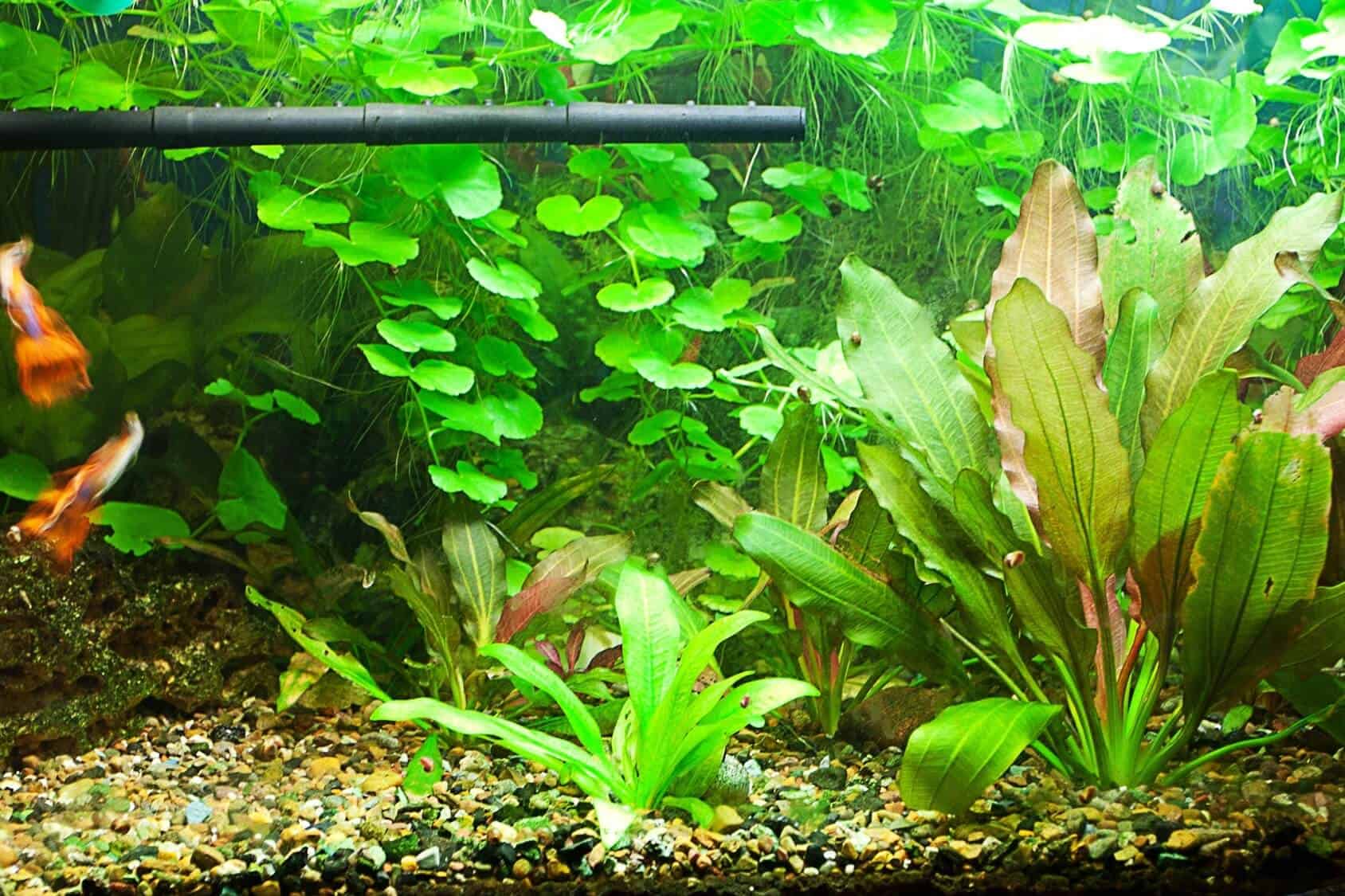
If your tank is smaller than 20 gallons, controlling CO₂ can feel tricky—start low-dose DIY setups and use drop checkers or pH controllers carefully to avoid stressing fish or plants.
The takeaway? High light demands adequate CO₂ supplementation—or you risk algae taking over instead of lush plant growth.
Step 5: Routine Maintenance – Keep Your Sword Thriving Long-Term
Consistency is queen here:
- Change ~25% of tank water weekly to replenish nutrients and keep parameters stable.
- Prune off yellowing or damaged leaves immediately; don’t let dead tissue rot inside your tank.
- Use timers for consistent photoperiods around 8 hours daily; erratic lighting confuses plants.
- Control algae by balancing light intensity with fertilization—never push more than ~10 hours unless you have strong filtration or algae eaters like Amano shrimp onboard (these little guys saved me countless times).
Step 6: Propagation – Growing Your Sword Empire
Once mature (mine took about six months), your sword will start producing runners—horizontal stems sprouting baby plants called daughter rosettes.
My first attempts were clumsy—I ripped off runners before roots formed properly and lost most babies.
Here’s how I do it now:
- Wait until daughter plants develop roots at least 3–4 inches long.
- Gently separate them using clean scissors or hands—avoid tearing delicate roots!
- Replant each runner following original planting steps carefully.
- Keep new plants in low-flow areas until firmly established (2–3 weeks).
Watching these tiny swords grow into full-sized adults is oddly satisfying—it feels like nurturing little green warriors guarding your aquascape kingdom!
Real-Life Stories From My Journey
1) Lighting Failures Learned Hard Way
Initially used cheap desk LEDs when starting out due to budget limits; sword leaves elongated like grass blades chasing light—and turned yellow fast! Upgrading to proper planted-tank LEDs fixed this within weeks; leaf shape normalized and color improved dramatically.
2) Substrate Switch Made All The Difference
Months of limp swords on bare gravel finally gave way after investing in ADA Aqua Soil Amazonia—their leaf size doubled over six weeks! It proved nutrient availability really is everything beneath the surface.
3) CO₂ Injection Breakthrough
Adding pressurized CO₂ boosted growth by roughly 40%, turning spindly stems into lush jungle canopies adored by angelfish hiding underneath—a game changer for biodiversity in my tank!
Tools & Resources That Elevated My Game
| Item | Purpose | Recommendation |
|---|---|---|
| Substrate | Nutrient-rich base | ADA Aqua Soil Amazonia |
| Lighting | Adjustable high-quality LED | Finnex Planted+ LED |
| CO₂ System | DIY beginner kit / pressurized advanced | DIY yeast kit / Aquatek system |
| Fertilizers | Root tabs + liquid thorough | API Root Tabs + Seachem Flourish |
| Water Testing | Parameter monitoring | API Freshwater Master Kit |
| Tweezers | Precise planting | Stainless steel long tweezers |
| Community Forums | Inspiration & troubleshooting | www.plantedtank.net / Green Aqua YouTube |
Use trusted tools—they save headaches later!
Troubleshooting Quick Guide — From My Own Failures
| Problem | Likely Cause | Fixes |
|---|---|---|
| Yellowing/translucent leaves | Iron/nutrient deficiency | Add root tabs + liquid iron supplementation |
| Leaves curling/melting | Poor water quality/crown buried | Check substrate depth & replant crown properly |
| Brown algae coating | Low light/silicates | Increase light intensity + frequent water changes |
| Holes/tearing on leaves | Fish nibbling/strong currents | Check fish compatibility + reduce flow strength |
If unsure about any symptom, try isolating variables one at a time rather than making big changes all at once—that’s how I finally nailed down issues faster!
Advanced Tips & Strategies For Enthusiasts
Boost Growth With Iron-Rich Substrates
If you want maximum leaf size and intense green coloration beyond basics, consider substrates enriched specifically with chelated iron compounds—or supplement liquid iron weekly during growing season peaks (spring/fall).
Balance Potassium For Leaf Strength
Potassium promotes thick healthy leaf tissue resistant to tearing—if edges curl or holes appear without obvious pests/fish nipping consider adding potassium-based fertilizer supplements like Seachem Potassium Plus periodically alongside root tabs/liquids routine dosing protocols found earlier here.
Automated CO₂ Monitoring
For serious growers wanting perfect parameters every day consider investing in automated drop checker systems combined with solenoid valves connected to timers/pH controllers—it minimizes guesswork especially during seasonal fluctuations or multiple tanks management scenarios where manual control gets overwhelming fast!
FAQ — Common Questions About Amazon Swords
Q: Can Amazon Swords survive without CO₂?
A: Yes—in low-light setups they’ll survive but expect slow growth and smaller leaves without supplemental CO₂ injection under medium/high lighting conditions recommended above for lush results.
Q: How often should I trim old leaves?
A: Remove yellow/brown/damaged leaves promptly once noticed during weekly maintenance—to prevent decay spreading and encourage new healthy leaf production from crown buds below soil line.
Q: Are there pest problems unique to these plants?
A: Occasionally snails or aquatic aphids might appear but aren’t common threats if tank is well-maintained; fish nibbling sometimes mistaken as pests so verify stock compatibility first before treatment assumptions!
Q: What causes black spots on sword leaves?
A: Often fungal infections triggered by damaged tissue from poor planting or inconsistent water quality—prune affected areas promptly & improve circulation + cleanliness routines described earlier help prevent recurrence!
Your Action Plan — Beginner Through Expert Steps
- Choose a well-sized tank (>20 gallons), stable temp (~75°F), pH close to neutral (~7).
- Invest in nutrient-rich substrates like ADA Aqua Soil or mix laterite into base layer (~2"+ depth).
- Install consistent mid-to-high quality lighting daily for ~8 hours near bottom (~30–50 PAR).
- Plant carefully! Roots buried deep but crown just above substrate surface spaced ~6" apart minimum between plants for airflow/nutrient access!
- Fertilize regularly using root tabs monthly plus weekly liquid thorough doses including iron supplements as needed based on leaf color cues!
- Add CO₂ supplementation ASAP if aiming for rapid lush growth—DIY yeast kits work great initially before stepping up pressure-regulated systems!
- Perform weekly partial water changes (~25%) maintaining parameter consistency over chasing perfection!
- Prune dead/dying foliage immediately preventing decay spread while promoting fresh vibrant regrowth cycles!
- Propagate runners only after secondary rosettes get established rooting (~3–4" length minimum)!
- Share progress online via forums/videos/blogs—it cements knowledge better than solo tinkering alone ever will!
Remember this process takes patience—you will make mistakes along the way—that’s part of learning any living system—but stick with consistency over chasing perfection every time…
Your aquarium will reward that dedication tenfold when those bright-green sword blades sway gracefully across crystal-clear waters… welcoming fish friends while breathing life into your underwater world!
Happy planting—and may your sword jungle flourish wildly beneath glass! 🌿🐠✨


