American Beautyberry Shrub Care: Practical Tips for Success

The American Beautyberry Shrub: Your Ultimate Guide to Growing This Native Gem
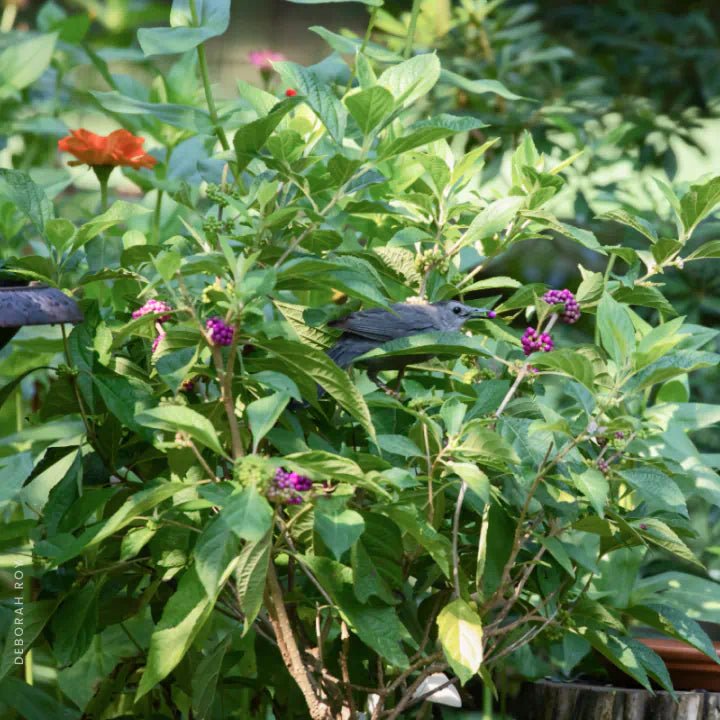
When I first stumbled on the American Beautyberry shrub (Callicarpa americana), I was just another gardener bored with the usual backyard suspects. It was late summer in northern Florida, and among all the green foliage, those clusters of vibrant purple berries caught my eye like tiny jewels. I’d never heard of this plant before and assumed it was probably a diva—pretty but high maintenance. Spoiler: it wasn’t. Over several years of ups and downs, this shrub proved itself tough, bird-friendly, and surprisingly rewarding.
This guide shares what I’ve learned from hands-on trial and error, plus research and stories from fellow native plant lovers. Whether you’re planting your first beautyberry or trying to get bigger berry clusters, here’s everything you need — including mistakes you’ll want to avoid.
What Makes American Beautyberry So Special? Hint: It’s More Than Just the Pretty Purple Berries
American Beautyberry is more than a “bird-friendly ornamental”—it’s a resilient semi-evergreen shrub that generally grows 3 to 6 feet tall, sometimes wider if you let it spread. Those bright purple berries aren’t really berries; they’re drupes tightly packed along slender branches that seem to glow especially after the first frost.
The leaves are ovate and rich green through summer, turning soft yellow before dropping in fall. Flowers are small pinkish-lavender bells blooming midsummer — easy to miss but important for pollinators.
Native across the southeastern U.S., from Texas to Virginia, it thrives in USDA zones 6 through 10. That means whether you’re in Tennessee or southern Florida, this shrub can fit right into your landscape if you get its basic needs right.
Why do I think every native garden should have one?
- Birds like Northern Mockingbirds and Cardinals rely on those berries as fall/winter food when other sources dry up.
- Pollinators love the flowers—I've often watched butterflies sip nectar while cardinals darted in for a snack moments later.
- It supports local ecosystems without fuss.
- Surprisingly adaptable—you can grow it in part shade, not just full sun.
Planting Your Beautyberry: Lessons From My Early Mistakes
My first beautyberry (“Amethyst”) went into a shady clay corner with little thought. She survived but looked leggy and barely produced any berries. After digging her up and moving her to a sunnier spot with well-drained soil, things improved dramatically.
Here’s what really matters:
-
Soil: They hate soggy roots more than drought. If your soil is heavy clay or tends to hold water, mix in plenty of organic matter—aged pine bark or leaf mold works great—to improve drainage.
-
Sunlight: At least 4 hours of morning sun is ideal; afternoon shade helps especially in hot climates (like Florida). Too much afternoon sun can scorch leaves and shrink berries.
-
Spacing: Give each plant at least 3 feet of room to breathe—crowding leads to fungal problems.
-
Planting Depth: Set the root ball so the crown sits just above soil level—not buried deeper.
-
Watering: Deep watering once every 5–7 days during establishment (depending on rainfall) works best. Avoid overwatering or letting water pool around roots—that’s how I lost Amethyst to root rot my first year.
If your soil is compacted or poor quality, take some time prepping before planting—it pays off hugely.
Pruning Secrets That Took Me Years To Figure Out
Pruning was my biggest headache early on—and I got it wrong more times than I care to admit. For two seasons, I barely pruned because I worried about losing next year’s flowers and berries. Result? Sparse fruit despite healthy-looking plants.
Here’s the key: beautyberries fruit on new growth each year. Cutting back stimulates fresh shoots covered in flowers—and then berries.
What finally clicked was advice from a local extension agent: “Cut back about one-third of last year’s growth every late winter (February or March) before buds swell.”
I now grab sharp bypass pruners each late winter, remove dead wood, thin congested branches, and cut back roughly one-third of the previous season's growth. For older shrubs neglected for years (like mine), don’t hesitate to cut back up to half hard—it bounces back faster than you expect.
This aggressive pruning led me to double berry clusters by fall compared to earlier years.
Propagating American Beautyberry: Seeds vs Cuttings
Want more plants? Here are two main ways:
Seeds
Seed propagation takes patience:
- Mash ripe berries gently to release seeds.
- Rinse thoroughly—don’t let pulp mold.
- Cold stratify seeds at about 40°F for 45 days (I used my fridge).
- Sow indoors under grow lights or sunny windowsill.
- Germination can be slow and spotty; expect 2–3 years before flowering.
Softwood Cuttings
My favorite method for quicker results:
- Take 4–6 inch tips from healthy stems in late spring when stems are flexible but mature.
- Dip cut ends in rooting hormone powder (Hormex #1 works well).
- Plant in moist peat-perlite mix inside a plastic cover or propagator for humidity.
- Roots form within 4–6 weeks; transplant when established.
- Cuttings often flower by their second growing season—a much faster payoff!
Perfect Partners: Companion Plants That Highlight Your Beautyberry
In my garden, American Beautyberry pairs beautifully with:
- Sweetspire (Itea virginica): White flowers contrast nicely against purple berries.
- Wax Myrtle (Morella cerifera): Provides evergreen structure and aromatic foliage year-round.
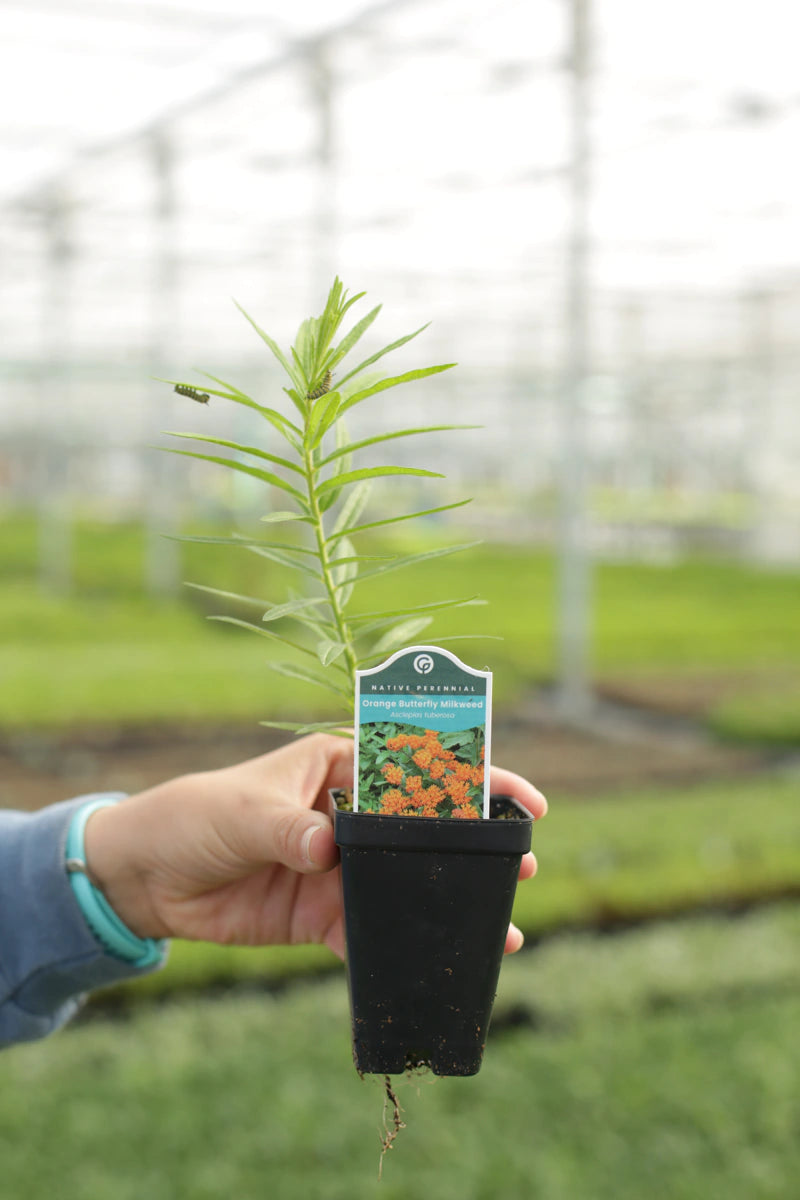
- Butterfly Weed (Asclepias tuberosa): Attracts monarch butterflies alongside beautyberry's pollinators.
Pro tip: include plants that attract beneficial insects like ladybugs or lacewings—they help keep aphids and scale pests under control without chemicals that might harm pollinators visiting your beautyberries.
Pests & Diseases: What Actually Happened To Me (And How I Fixed It)
Ignoring problems only made things worse at first:
-
Aphids: Sticky honeydew attracted ants that worsened infestations until I sprayed neem oil early morning. Timing is key—spray midday risks leaf burn!
-
Leaf Spots: After wet springs one year caused spots on leaves; thinning branches improved airflow immediately stopped spread once infected leaves were removed promptly.
-
Spider Mites: Hot dry summers brought these pests out when watering became irregular; regular deep watering plus organic insecticidal soap treatments knocked them down effectively.
Keeping an eye out early saves headaches later!
Tools That Made All The Difference For Me
Having reliable tools changed everything:
- Fiskars Bypass Pruners – sharp blades make clean cuts without crushing stems
- Espoma Organic All Season Fertilizer – balanced slow-release nutrients
- Hormex Rooting Hormone Powder #1 – boosts cutting success rates
- Local organic compost – improves soil texture naturally
- Soil test kit from Luster Leaf – tracks pH changes over time
- Clear plastic covers made from recycled produce bags – create mini-greenhouses for cuttings
These simple tools turned guesswork into consistent success—and saved me time troubleshooting avoidable mistakes.
Real-Life Stories That Inspired Me To Keep Going
At an urban community garden near Savannah volunteers use American Beautyberry extensively along walking trails lined with native grasses and wildflowers—they hold annual pruning parties every February which keeps shrubs manageable yet fruitful. Signage educates visitors on wildlife benefits too—building community pride around native gardening!
A friend managing a suburban rain garden in Austin swears by beautyberry’s tolerance for occasional flooding while attracting birds who help control mosquito larvae—a natural pest controller she loves having around during summer months!
These stories remind me why perseverance pays off beyond just beautiful gardens—it builds ecosystems people care about.
Quick Start Checklist For Your Beautyberry Journey
- Find a sunny corner with well-drained soil (morning sun + afternoon shade ideal).
- Prep soil by mixing compost or aged pine bark; loosen compacted clay thoroughly.
- Buy healthy nursery plants from reputable native growers — bare-root plants require experience.
- Space plants at least 3 feet apart for airflow.
- Plant early spring or fall; water deeply after planting.
- Keep soil moist but not soggy during first 6 weeks; reduce watering gradually as roots establish.
- Apply slow-release fertilizer once each spring after establishment year.
- Prune annually late winter cutting back about one-third old growth before buds open.
- Monitor regularly for pests; treat organically with neem oil or insecticidal soap if needed—early detection matters!
- Enjoy watching birds flocking at your glowing purple berry clusters—and don’t forget to share photos!
Beyond Growing: Deeper Connections With Beautyberry
Over years growing American Beautyberries—from shaded Florida yards to sunny Tennessee gardens—I realized this shrub teaches more than horticulture skills; it teaches patience with nature’s rhythms.
Try making jelly from harvested berries — yes, removing seeds is extra work but worth it! Or crush leaves gently between fingers outside as an old Southern secret mosquito repellent—nature’s own bug spray right there!
Keep a journal tracking bloom times, pruning dates, pest encounters—it helps develop personalized care perfectly tuned to your microclimate over time.
Troubleshooting FAQ: Common Questions & Fixes
Q: Why isn’t my beautyberry producing many berries?
A: Most likely due to lack of pruning or too much shade/heat stress—cut back about one-third old wood each late winter and ensure at least 4 hours morning sun with afternoon shade if hot climate.
Q: My leaves are turning yellow—is something wrong?
A: Could be natural autumn change if fall—but if earlier check watering habits (too much/too little), soil drainage, or nutrient deficiencies via soil test kit.
Q: Can beautyberries survive drought?
A: They tolerate occasional drought once established but perform best with moderate deep watering during dry spells—not soggy wet roots though!
Q: How do I stop aphids without harsh chemicals?
A: Early morning neem oil sprays plus encouraging ladybugs/lacewings help keep aphid populations low naturally.
Q: Is heavy pruning harmful?
A: No! Especially for older shrubs—it promotes vigorous new growth that bears next season's flowers/berries.
Final Thoughts
American Beautyberry isn’t just another shrub—it’s a resilient partner teaching gardeners patience through trial-and-error rewards of vibrant color and wildlife visits year after year.
Don’t be discouraged by early mistakes—I sure wasn’t! Each setback taught me something valuable about timing pruning correctly or spotting early pest signs before they explode into problems.
Once those glowing purple clusters light up your yard amid fluttering birdsong—you’ll understand why this often-overlooked native deserves more love than it gets.
Gardening isn’t about perfection—it’s discovery through persistence rewarded by bursts of life when conditions align just right.
So grab those pruners… plant some natives… and start harvesting nature’s little purple gems today! 🌿💜🐦


