How to Care for Your Alligator Plant and Watch It Thrive Indoors
Caring for your alligator plant indoors isn’t just about following a checklist—it’s about learning to listen to what your plant really needs. Over the years, I’ve made mistakes that felt almost embarrassing to admit (watering too often, placing it “too close” to light), but those slip-ups taught me more than any guide ever did. Here’s what truly worked for me—and others—after lots of trial, error, and sometimes frustration. For a more detailed foundation, check out this comprehensive guide to alligator plant care.
Lighting: Bright but Handle with Care
Everyone says “bright, indirect light,” but what does that really mean? I once thought sheer curtains were a perfect filter—my plant sat right next to a south-facing window all summer. But within two weeks, tiny scorch spots appeared on the leaves.
Turns out, even filtered afternoon sun can punch through enough heat to cause micro-burns if the plant is too close to the glass (which heats up like an oven). Now, I keep mine at least 2 feet away from any window and prefer bright east-facing spots where the morning sun is gentler. It’s subtle but makes a huge difference.
Winter tip: When daylight shrinks to about 9-10 hours and feels weak, don’t just hope for the best—add a 6500K LED grow light on a timer for 12 hours daily. My plant pretty much stopped growing until I did this last winter.
For more tips on lighting and other care essentials, see the complete overview of alligator plant care.
Watering: Forget Rigid Schedules
“Water every 5 days” sounds simple, right? I followed that rule religiously—and ended up with yellow leaves and soggy soil.
Indoor humidity changes constantly—dry heat in winter, moisture in rainy seasons—which means watering needs shift too. I started using a moisture meter at about 1 inch deep instead of guessing with my finger. This showed surprising patterns: sometimes it went 12 days without water in winter, but needed watering every week in summer.
Key takeaway: Water deeply until you see runoff from drainage holes—that flushes salts out. But don’t let water sit in the saucer overnight; even slight waterlogging invites root rot fast.
Soil Mix: Your Plant’s Foundation Matters More Than You Think
I assumed any good potting soil would work as long as it drained well. Nope. Standard mixes compacted quickly and held too much moisture, turning my pot into a soggy mess in weeks.
After multiple repots and tests over six months, this blend finally clicked:
- 2 parts peat moss (holds moisture)
- 1 part perlite (improves air flow + drainage)
- 1 part orchid bark (chunky texture prevents compaction)
This mimics their natural environment where roots get both air and moisture. After switching, my roots went from mushy brown to firm and white—in other words, healthy.
Temperature & Humidity: The Silent Stressors
Here’s one that caught me off guard: my apartment’s heating dropped nighttime temps below 60°F regularly during winter—and my alligator plant suffered despite everything else being perfect.
Keep temps between 65-75°F, paying attention not just to day averages but minimums too. Also, when humidity dips below 40%, leaf edges start browning faster than you’d expect—even if watering is fine.

I use a small ultrasonic humidifier near the plant plus a pebble tray under its pot during dry months. This nudges local humidity up to around 55% and within two weeks new leaves unfurl without burnt tips.
Fertilizing: Less Is More
Early on, I overfed mine every two weeks hoping for fast growth—and got leaf curl plus burnt tips instead. Lesson learned the hard way!
Now I dilute balanced liquid fertilizer to half strength and feed only once per month during spring through early fall. No fertilizer in winter—it just stresses the plant since growth slows down naturally.
Real-World Wins & Lessons
-
A friend with only north-facing windows saved her struggling alligator by adding a Spider Farmer SF1000 LED grow light for 10 hours daily and switching her soil mix as above—lush new growth appeared within three weeks.
-
My first alligator disaster was leaving it near an unshaded west window in summer; brown leaf margins showed up in just four days despite proper watering. Moving it behind linen curtains brought it back within a month.
-
Another friend watered weekly but ignored drainage problems until repotting fixed soggy roots—her plant bounced back quickly afterward.
Quick Troubleshooting Cheat Sheet
- Yellow leaves? Check drainage before blaming watering frequency.
- Brown tips? First suspect low humidity—not always overwatering.
- Wilting with moist soil? Inspect roots ASAP for rot.
- Stunted growth? Look at lighting before adding fertilizer; poor light stalls photosynthesis no matter how much food you give.
And don’t forget drafts from AC or heaters—they shock tropical plants badly but are easy fixes once noticed.
For more on keeping your plant healthy, including how to handle issues, see common pests and diseases affecting alligator plants.
The Mindset Shift That Changed Everything
Stop treating your alligator like a machine on fixed schedules. Instead:
- Use tools like moisture meters consistently
- Observe leaf color changes daily
- Track seasonal shifts in temperature and light
- Adjust care based on actual conditions—not guesswork
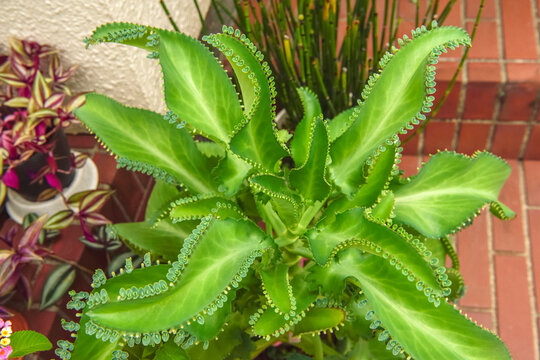
This detective approach turned my frustrating trial-and-error into steady success. Thick-textured emerald leaves became my proof that patience pays off.
Before You Start: Two Simple Investments That Save You Headaches
- Get a reliable soil moisture meter—it beats guessing every time
- Map your home’s light patterns by season—know where your plant thrives best
These steps alone prevent most common mistakes.
Taking care of an alligator plant isn’t about perfection—it’s about understanding its rhythms and responding thoughtfully. Yes, it takes some effort at first, but soon you’ll see why it’s worth it: those wild-textured leaves glow with life when you get it right.
Ready to dive in? Your alligator plant is waiting to reward your attention with stunning growth and character only patience can coax out. And hey—I’m still learning too! Each season brings new challenges worth tackling together.
For guidance on growing your plant from scratch, check out propagation techniques for alligator plants.


