Common Pests and Diseases Affecting Abelia: A Data-Driven Review
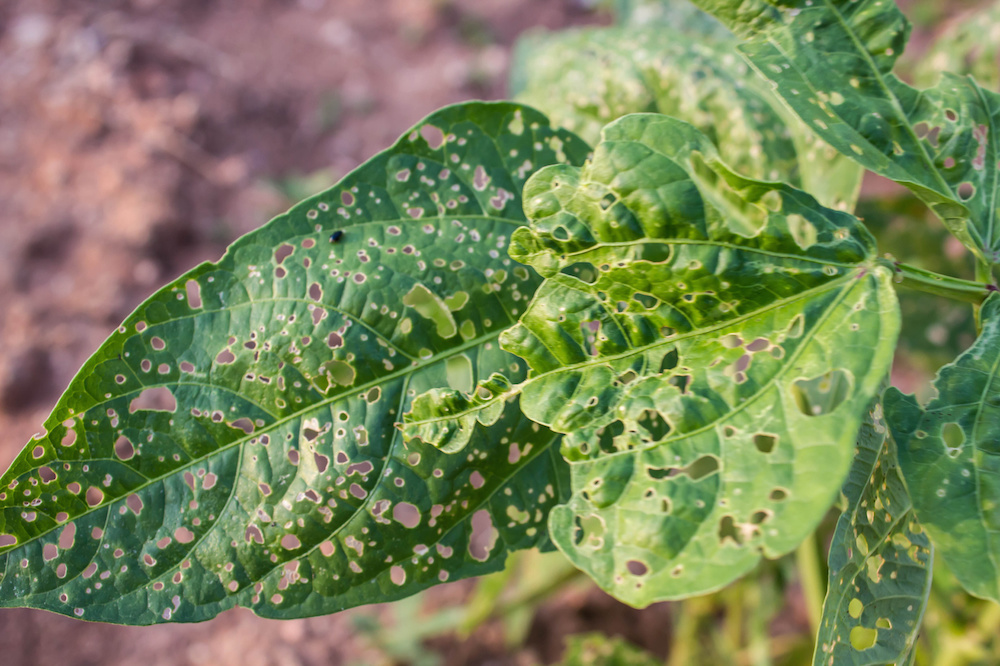
I’ll never forget the moment I noticed something was off with my Abelia. The leaves weren’t just speckled—they had tiny yellow dots that seemed to spread like a rash, curling at the edges as if scorched by an invisible fire. A few branches sagged, looking tired and weighed down. My heart sank. Was it pests? Disease? Too much water? I’d spent the whole summer caring for that bush, and the thought of losing it felt like watching a good friend fade away. If you’re new to these plants, be sure to check out our comprehensive guide to Abelia plant growth and care for everything you need to know about keeping them healthy.

After some trial and error (and a few costly mistakes), I found a way to protect my Abelia—and keep it thriving. Here’s what I learned about the common pests and diseases that can damage these sturdy plants, plus exactly what worked for me.
What’s Bugging Your Abelia? Spotting the Usual Suspects
Abelias are tough, but they’re not invincible. When something’s wrong, your plant gives you clues—if you know where to look.
-
Aphids: These tiny green, black, or sometimes pink bugs often cluster on new growth. I once found a patch so dense on one branch that the leaves curled protectively over them like shields. They secrete a sticky substance called honeydew—think of it as ant crack—that attracts ants and leads to sooty mold. If you see curling leaves with sticky residue underneath, aphids are probably the culprits.
-
Spider Mites: Almost microscopic, spider mites leave behind fine webbing on leaves and cause yellowish “dusty” speckles. One hot July afternoon, I pulled out a 10x magnifier and finally spotted them crawling on the undersides of leaves. Dry heat is their playground—if your Abelia looks dusty and dry despite watering, check closely.
-
Whiteflies: Tiny white insects that scatter in clouds when disturbed—like startled birds taking flight—whiteflies suck sap from leaves, causing yellowing and early drop-off. You might notice faint white flakes or sticky leaf undersides when they’re active.
My Sunday ritual: Every week without fail, I spend about 10 minutes flipping over leaves using my fingers and a small magnifying glass. This simple habit has saved me hours of headache later—and maybe saved my plant from disaster more than once.
For more detailed information on how to nurture your Abelia and prevent these issues, see our complete overview of Abelia plant care.
Killing Pests Without Killing Your Joy (or Ladybugs)
At first, I panicked and grabbed whatever pesticide was on sale at the garden center. Big mistake. Not only did it wipe out helpful ladybugs (the garden’s natural pest police), but my Abelia looked stressed and dull afterward—as if it had been through a chemical war zone.
Here’s what actually worked:
-
Insecticidal Soap: Safer Brand Insecticidal Soap became my go-to weapon against aphids and whiteflies. It’s gentle on plants but effective against soft-bodied pests. The trick is thorough spraying—especially under every leaf—and repeating every 7 days for two full weeks. The first time I skipped spots or half-heartedly sprayed, pests survived and bounced back stronger.
-
Neem Oil: Neem oil surprised me with its power after some careful research (and a few burnt leaves from spraying at midday). Mix about 2 tablespoons per gallon of water, spray early morning or late afternoon to avoid sunburns, and repeat weekly for pest control plus disruption of their reproduction cycle.
One big lesson: consistency beats intensity every time. You can’t spray once and think you’re done.
When Fungi Crash the Party: Powdery Mildew & Leaf Spot
After one particularly humid spring, fuzzy white patches showed up along lower leaves—classic powdery mildew making itself at home. At first I thought watering more might help (spoiler: it didn’t). Soon after came leaf spot—dark brown blotches circled by yellow halos that made leaves look bruised and sad.
How I fought back:
-
Airflow Is Everything: Pruning crowded branches opened things up dramatically; within days my Abelia looked brighter—and mildew slowed down noticeably. Thinning shears helped me get into those tight clusters without over-pruning. For tips on how to keep your plant healthy and well-shaped, see our guide on pruning and shaping your Abelia for best growth.
-
Water Smart: Switching from overhead watering to drip irrigation at the base early in the day meant leaves dried faster—critical when humidity hangs around late into evening.
-
Swift Cleanup: Removing infected leaves immediately (bagged them up; never composted) stopped fungal spread quicker than any spray alone ever could.
-
Fungicide as Last Resort: After two stubborn outbreaks, I used copper-based fungicide sparingly—not too often—to halt progression without dumping chemicals into soil unnecessarily.

Weekly Checks: The Small Habit That Saves Big
If there’s one thing gardening has taught me beyond all else: weekly inspections are worth every minute spent—and then some.
Spend 10 minutes checking:
- Underneath each leaf for tiny bugs or sticky residue
- Branches for softness or discoloration
- Leaf surfaces for unusual spots or powdery patches
I set an alert every Sunday morning—my little gardening “coffee break.” It feels less like work now and more like quality time with my plants.
When It Feels Like Nothing Works (And What To Do Next)
Sometimes pests come back no matter how careful you are:
-
Aphids or whiteflies might return after initial sprays—in one frustrating episode last year, doubling treatments to twice weekly helped knock them down while keeping an eye out for leaf burn from overuse.
-
Spider mites love hot spells; misting daily with lukewarm water in mornings raised humidity just enough to slow their spread without soaking foliage.
-
Persistent fungal problems after rainy seasons forced me to prune aggressively and even relocate container-grown Abelias to sunnier spots with better airflow—sometimes location changes make all the difference. For ideas on how to incorporate your healthy Abelia into your garden, check out our article on using Abelia plants in landscape design.
Patience is hard here—you won’t see results overnight—but steady care pays off.
What I’d Tell My First-Time Self (And You)
Forget complicated gadgets or harsh chemicals. Your best tools are sharp eyes paired with simple natural remedies applied consistently.
If your Abelia looks sick today:
- Take a deep breath—you’ve got this
- Inspect carefully; don’t rush
- Use gentle treatments like insecticidal soap or neem oil
- Prune crowded branches to improve airflow
- Adjust watering habits; avoid wetting foliage late in day
- Set weekly reminders to check progress
I lost two beloved branches before learning these lessons—but now my Abelias bounce back stronger than ever because of them.
Quick Reference Checklist
| Symptom | Likely Culprit | Action Steps |
|---|---|---|
| Curled sticky leaves | Aphids | Spray insecticidal soap weekly x2 weeks |
| Fine webbing + dusty speckles | Spider mites | Mist daily morning; neem oil sprays |
| Yellowing + white fluttering | Whiteflies | Thorough insecticidal soap spray |
| White powdery patches | Powdery mildew | Prune for airflow; remove infected leaves |
| Dark blotches with yellow ring | Leaf spot fungus | Remove infected leaves; drip irrigation |
Gardening always throws curveballs—but remember: your patience and attention will turn scraggly leaves into glossy green crowns again soon enough. Keep going—you’re in this garden battle together!


