When Acacia Struggles: Real Stories of Pests and Diseases
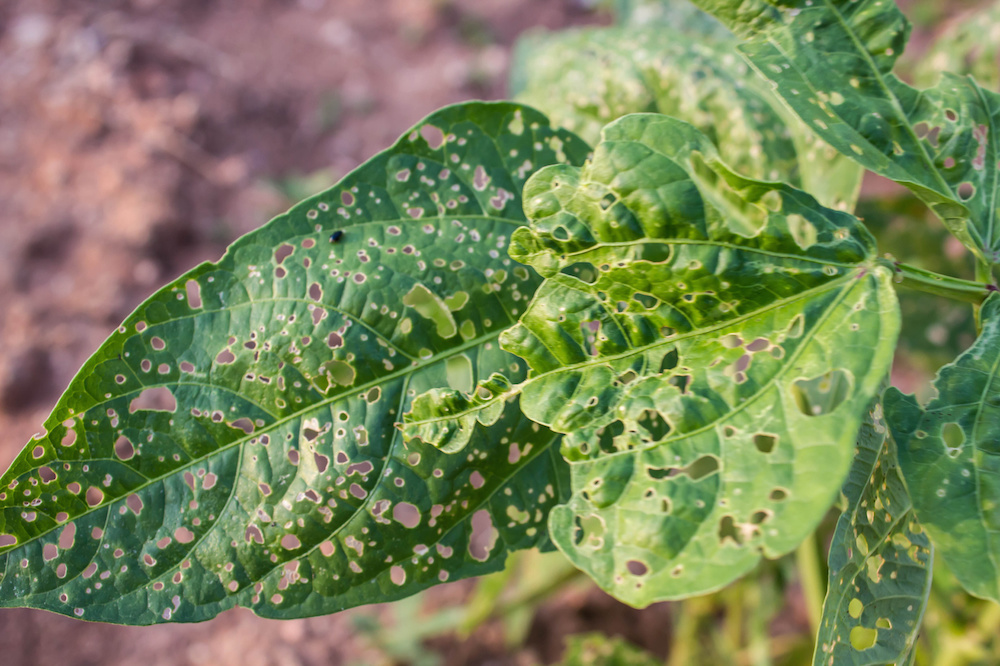
When I first started caring for Acacia plants, I thought pests and diseases were just part of the landscape you had to accept. Turns out, the real problem was how I approached spotting and managing them—something most guides barely mention or sugarcoat. Here’s what I learned the hard way about common Acacia troubles, and the mistakes almost everyone makes but never admits. For a more detailed introduction, check out this comprehensive guide to Acacia plant care.

The Silent Invaders: Pests You’re Probably Missing on Your Acacia
You’ve heard about aphids, scale insects, and caterpillars, but here’s the kicker—most people only notice them when the damage is already bad. One summer, my 4-year-old backyard Acacia started dropping leaves, curling, and yellowing. I sprayed insecticide blindly for weeks until a friend pointed out sticky black mold on leaves—a clear sign of aphid honeydew—that I hadn’t even noticed.
Aphids: These tiny pests cluster on new shoots and under leaves. They’re small but multiply fast. The biggest mistake? Ignoring that sticky honeydew until sooty mold shows up and chokes photosynthesis. Instead of rushing to spray, grab a 10x magnifying glass and check your plant weekly during warm months—especially on fresh growth tips. Aphids look like tiny green or black pearls clustered together.
Scale insects: Here’s a surprise: scale doesn’t always look like bugs. They often appear as bumps or scabby patches on branches. Early on, I scraped off what I thought were harmless bark spots only to realize they were scale—insects that don’t move but suck sap relentlessly. The trick? Use a soft toothbrush dipped in insecticidal soap or soapy water to gently scrub them off before they multiply. Wait too long, and you’ll be pruning whole branches later.
Caterpillars: These guys are noisy eaters—literally. One spring, I heard faint rustling in my Acacia canopy and found ragged leaf edges with silk webs forming. If you catch them early, handpicking works well; if not, Bt (Bacillus thuringiensis) spray is your safest bet—it targets caterpillars without harming beneficial insects. Don’t wait for full defoliation; recovery can take months.
For more on general Acacia plant care and maintenance, see this complete overview of Acacia plant essentials. To better understand the variety of plants you might be dealing with, consider exploring different species of Acacia plants and their characteristics.
Diseases: When It’s Not Bugs But Something Worse
Diseases are sneakier because symptoms often show up too late.
Root rot can wipe out an entire tree in just a few weeks if drainage is poor. I lost a 6-foot Acacia once because the soil stayed soggy after heavy rain—and watering more made it worse (classic rookie error). If your soil smells sour or roots look brown and mushy when you dig around, act fast: improve drainage immediately by raising beds or mixing in coarse sand or composted organic matter.
Powdery mildew starts as an innocent white dusting on leaves but can stunt growth badly over time. Many people make the mistake of overhead watering during humid mornings thinking plants “need” extra moisture—big no-no! Switch to drip irrigation or water directly at soil level only. Also, prune crowded branches to boost airflow; fungi hate open spaces.
Why Most People Make These Problems Worse Without Realizing It
Here’s the harsh truth: more watering isn’t always better, especially for Acacias. When I started gardening, every wilted leaf had me grabbing the hose nonstop—actually inviting root rot and fungal diseases instead of helping.
Another common error is spraying insecticides at midday under full sun, which scorches leaves and stresses plants further. Aim for early morning or late afternoon sprays—they’re gentler and work better.
Also, incomplete coverage during spraying kills your chances of control—missing undersides of leaves or crevices lets pests survive and bounce back stronger than ever.

How To Fix These Mistakes: Proven Strategies That Work
- Inspect Weekly with a Magnifier: Spend 5 minutes each week checking under leaves—not just top surfaces—for tiny aphids or scale.
- Physically Remove Scale: Keep a soft toothbrush handy; dip it in insecticidal soap solution (mix 1 tablespoon liquid soap with 1 quart water) and gently scrub scales off branches.
- Use Bt for Caterpillars: Apply Bacillus thuringiensis according to label instructions; it breaks their life cycle safely without harming pollinators.
- Improve Drainage Fast: Raise planting beds at least 6 inches using well-draining soil mixed with composted organic matter or coarse sand.
- Water Smart: Use drip irrigation or water directly at soil level early in the morning; avoid wetting foliage during humid weather.
- Rotate Treatments: If neem oil isn’t working after two weeks, switch to insecticidal soap or introduce natural predators like ladybugs—this helps prevent pest resistance.
- Prune for Airflow: Don’t just cut dead branches; thin dense areas to reduce humidity pockets where fungi thrive.
For more on how Acacia plants thrive in challenging conditions, see how Acacia plants adapt to arid and semi-arid environments.
When To Call In Reinforcements
If your Acacia drops more than 30% of its leaves within a month despite treatment—or you see unusual growths like galls or strange lesions that don’t match typical pest damage—it’s time to get a professional involved before things get costly.
What Most Guides Miss: Early Action + Patience Matter More Than You Think
I used to think if only a few leaves looked bad, it wasn’t urgent—that was wrong! Early detection combined with immediate targeted action saved my client’s Acacia hedge from near total collapse in less than three weeks last year.
Patience is key too: pests won’t vanish overnight, and fungal diseases take weeks to improve even when you do everything right.
Your First Move Today
Don’t wait for obvious damage—grab a magnifying glass now and inspect all new growth carefully for tiny aphids or scale bumps. If you spot anything suspicious:
- Remove heavily infested leaves (dispose of them away from other plants).
- Mix up insecticidal soap (1 tablespoon mild liquid soap per quart water) and spray every 7 days at dawn or dusk.
- Check soil moisture by sticking your finger an inch deep; if it stays soggy days after watering, adjust immediately by improving drainage or watering less often.
Treat this like detective work rather than guesswork—every symptom is a clue telling you what your Acacia needs next.
The Single Most Important Lesson
The biggest mistake? Waiting until visible damage overwhelms your plant—and then trying generic fixes that don’t tackle root causes like drainage problems or incomplete pest coverage.
Instead: inspect weekly, treat precisely (not broadly), improve growing conditions relentlessly—and stay patient.
That approach turned my struggling Acacias into thriving green sentinels—and it will do the same for yours if you commit now.
Gardening isn’t magic; it’s problem-solving with persistence—and believe me, no one tells you how many failures come before success until you live through it yourself. Stick with these strategies, learn openly from mistakes (yes, you’ll make some), and your Acacias will thank you by standing tall season after season.
If nothing else—remember this: catching problems early means fewer headaches later!
Good luck—you’ve got this!


