Common Pests and Diseases Affecting Adenium Plants: What to Know
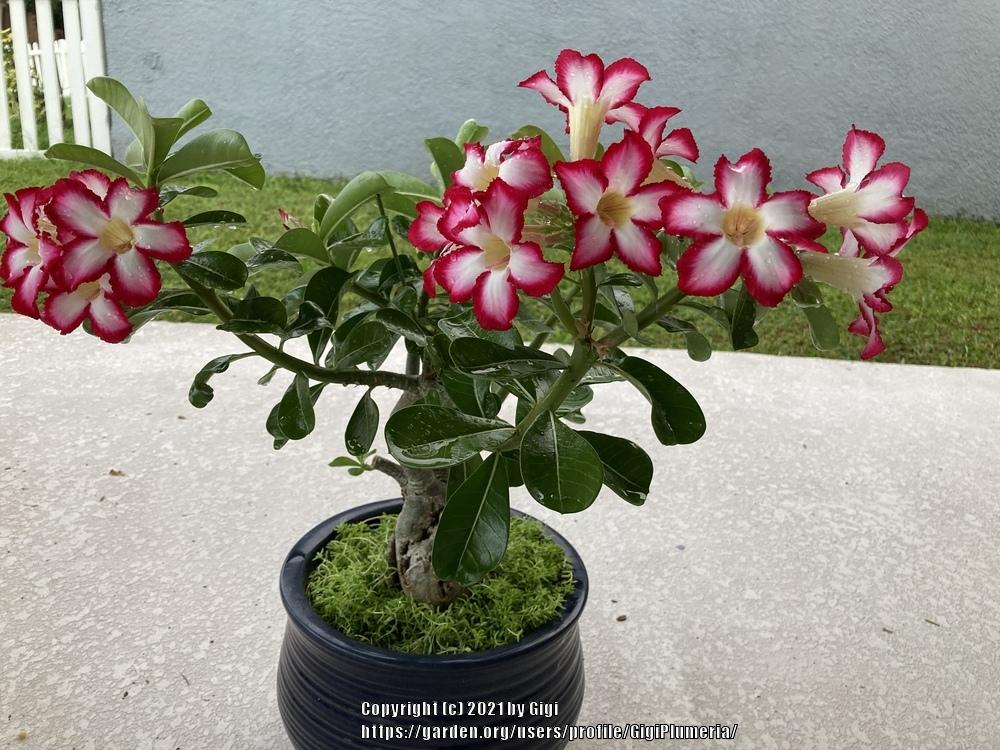
I still vividly recall the day my first Adenium—a small, scrappy desert rose—started showing trouble. Its leaves curled in a strange way, and a faint, dusty web stretched between the branches. Peeling back a leaf, I found tiny white blobs clinging stubbornly to the stems. Panic set in. Was this plant doomed already? What had I missed? If you’re new to these plants, I recommend starting with a comprehensive guide to Adenium plant care to understand their unique needs.

That moment taught me something crucial: Adeniums aren’t just pretty desert plants you can water on autopilot. They’re sensitive little warriors that need sharp eyes and thoughtful care, especially when pests or diseases sneak in. After fumbling through trial and error, I settled on some simple, no-nonsense approaches that actually work—no fancy jargon or complicated sprays required.
The Real Pest Trio That Targets Adeniums
Most guides list spider mites, aphids, and mealybugs as the usual suspects—and that’s true—but here’s what I learned from firsthand battles:
-
Spider Mites are microscopic but their damage is obvious: fine silk-like webs crisscross your plant’s crown. The leaves get speckled yellow or bronze, then dry up and fall off. One time I ignored a tiny web for just three days and lost half the foliage. Lesson: webbing is your red flag—don’t wait.
-
Aphids cluster on new buds, secreting sticky honeydew that invites ants and encourages black sooty mold. Leaves twist or curl oddly where they feed. A counterintuitive tip: blasting aphids with water from a spray bottle works wonders before reaching for chemicals—just aim carefully so you don’t damage tender growth.
-
Mealybugs look like small cottony blobs hiding in leaf joints or under stems. They suck the life out of your plant slowly but surely. I once spent hours wiping them off manually with a Q-tip dipped in rubbing alcohol—that hands-on method saved my plant without any harsh sprays.
Spotting Disease Early: Not as Scary as It Sounds
There are two main diseases to watch:
-
Root Rot: This one creeps up silently and fast if you overwater or use poorly draining soil. Your plant wilts even though the soil feels wet. Roots turn brown and mushy instead of firm white. I learned the hard way after leaving my Adenium in a pretty ceramic pot without drainage holes during a rainy week—result? Root rot set in within 5 days.
-
Fungal Leaf Spots: These start as tiny dark spots with yellow halos on leaves that gradually grow and cause premature leaf drop. The key? If you see these spots, don’t hesitate to pluck those leaves immediately to stop the spread.
What Actually Works to Fix These Problems (Without Overcomplicating)
Here’s where many tutorials lose people—they pile on chemical names or complex routines. My approach is straightforward:
- For Pests:
- Use insecticidal soap or neem oil spray every 5–7 days until pests disappear. I prefer neem oil because it also helps repel future bugs naturally.
- Snip off badly infested branches — trust me, this quick removal saves hours of frustration later.
- Physically wipe insects off leaves with a damp cloth or cotton swab soaked in alcohol for stubborn mealybugs.
- For Root Rot:
- Repot immediately into fresh cactus soil mixed with about 30% perlite for excellent drainage (I use Miracle-Gro Cactus Mix + perlite).
- Cut away all mushy roots with sterilized scissors—you can't cheat here; leaving any soft bits invites rot back in.
- Water sparingly afterward: wait until the top 2 inches of soil are bone dry before watering again.
- For Fungal Leaf Spots:
- Remove affected leaves promptly to contain infection.
- Increase airflow by spacing plants apart and pruning dense areas—think of it like giving your Adenium room to breathe.
- Avoid overhead watering; water directly at soil level to keep leaves dry.
Why Do These Problems Keep Coming Back? Here’s What I Discovered
The biggest mistake I made was thinking more water = healthier plant. Nope.
Adeniums come from arid environments—they hate soggy roots like nothing else.
Also, stressed plants attract pests like moths to light.
What finally helped me was adopting this mindset: prevention over cure.
- Water only when soil is dry at least 2 inches deep.
- Give your plant at least 6 hours of bright indirect sunlight daily.
- Check under leaves weekly with a magnifying glass (yes, it sounds excessive but catching a few spider mites early saves weeks of trouble).
- Clean pots and tools regularly so you’re not reintroducing pests or pathogens unknowingly.
For more on creating the ideal environment for your Adenium, see how to care for Adenium plants indoors.
When Things Get Really Bad: Don’t Give Up Too Soon
One of my Adeniums looked like a lost cause once—yellowed leaves hanging limply, mealybugs everywhere, roots mushy beyond belief.

Instead of tossing it, I isolated the pot away from others, cut off all dead parts, repotted carefully, sprayed neem oil religiously every 5 days for two months, and gave it indirect light while keeping humidity moderate (around 40%).
It took nearly three months before new buds appeared—but they did show up.
Patience is key here; recovery isn’t overnight but it’s absolutely possible.
Simple Prevention Tips That Actually Stick
What finally worked for me was setting routines that felt easy instead of overwhelming:
- Use a gritty cactus mix with 30% perlite or pumice.
- Water deeply but only every 7–10 days depending on season; always check dryness first.
- Place Adeniums where they get bright indirect light—too little light stresses them.
- Maintain moderate humidity—not too damp.
- Inspect weekly with a flashlight and magnifying glass—become detective-like.
- Sanitize your tools monthly with rubbing alcohol.
Your First Action Plan Today
- Grab a flashlight and magnifying glass (or phone zoom) right now.
- Inspect every leaf underside, stem joint, and soil surface thoroughly.
- Look for webbing, sticky residue, cottony lumps, discolored or wilted leaves.
- If you find pests, start neem oil spray immediately—follow label instructions exactly.
- Check soil moisture; if soggy or musty smelling, repot after trimming bad roots.
- Adjust watering schedule to let soil dry fully between drinks.
- Set a weekly reminder to do this quick check going forward—it’s easier than fixing big problems later.
Taking care of an Adenium can feel like decoding a secret language at first—I’ve been there fumbling through mistakes—but each problem you solve builds confidence that sticks.
The single biggest thing I’d tell anyone starting out: Don’t overwater—it’s almost always the root cause of pest attraction and disease problems combined (pun intended).
Focus on dryness first, then keep your eyes sharp for early warning signs—and soon enough your desert rose won’t just survive but thrive with minimal fuss.
For inspiration on showcasing your healthy Adeniums, check out these design ideas using Adenium plants in your garden.
You’ve got this!


