Battling Common Pests and Diseases on Adenium Obesum: Your Guide
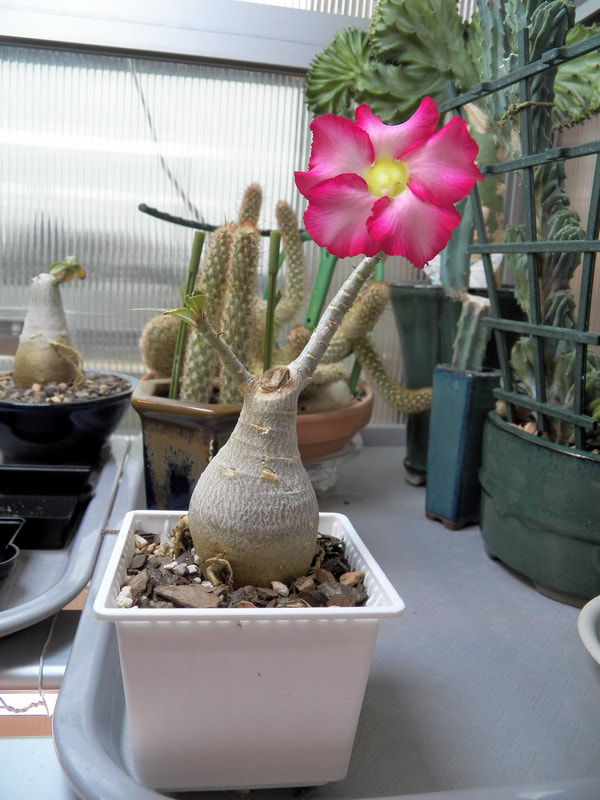
The first time I noticed my Adenium obesum was struggling, I honestly didn’t know what to think. Those yellow spots and sticky patches on its thick leaves? I figured sunburn or maybe a minor nutrient glitch. Nope. That innocent assumption nearly killed it. Turns out, those subtle signs were early warnings of spider mites and mealybugs already taking hold—and my well-meaning but misguided watering only invited root rot to the party. Classic rookie mistake. (If you’ve been there, I feel you.) If you want to dive deeper into the care essentials, check out this comprehensive guide to Adenium obesum care.
.JPG)
Here’s the blunt truth: Adenium obesum doesn’t forgive guesswork—especially when it comes to watering and pest control. It’s not enough to slap on neem oil or cut back watering here and there. You’ve got to understand the pests’ sneaky habits, how this plant ticks, and how tiny errors can spiral into disaster. For a more detailed look at these factors, see the complete overview of Adenium obesum care.
Why You Can Easily Miss Pests Early On
Most guides mention spider mites, mealybugs, aphids—and yes, they’re the usual suspects. But here’s what no one warns you about: these pests are experts at hiding on Adenium’s thick, waxy leaves.
-
Spider Mites: Seriously tiny—microscopic even. They spin silk webs so fine you might think your plant is just dusty unless you get close with a magnifier or loupe. I remember thinking mine was dirty for days until I spotted those faint webs under leaves—about 10 days after first noticing symptoms.
-
Mealybugs: Look like little cotton balls hiding in leaf axils and stem joints—places we often overlook unless inspecting carefully. Their honeydew (sticky stuff) gets mistaken for sap or dew by many beginners.
-
Aphids: Slightly easier to spot if you check new growth and flower buds closely.
Biggest slip-up? Only looking at top leaf surfaces during checks. One time, I helped an office where the caretaker swore their Adenium was pest-free because they only scanned the tops of leaves once a month. By the time I carefully flipped some leaves over, it was a mealybug invasion ready to wreck the plant.
Why Neem Oil or Insecticidal Soap Alone Often Don’t Cut It
Everyone loves recommending neem oil or insecticidal soap every few days—and sure, they help—but if you stop there without thinking about pest life cycles, you’re setting yourself up for frustration.
Here’s what I learned from dozens of treatments:
- Pests lay eggs deep in crevices where sprays barely reach.
- A one-off spray kills adults but does nothing to eggs or hatchlings.
- Spraying at midday sun burns leaves; spraying in shade wastes product.
What finally worked for me was pairing gentle wiping with a soft cloth soaked in a neem-soap mix (1.5 teaspoons neem oil + insecticidal soap per liter water) with consistent application every 3–5 days for about three weeks. This physically removes pests while letting the treatment reach hidden spots.
And here’s a tip most guides miss: avoid spraying under blazing sun by treating late afternoon or early morning when light is gentler.
The Watering Mistake That Kills More Adeniums Than Any Bug
When I started growing Adeniums, someone telling me to water less would have sounded nuts—especially when my plant looked stressed! But overwatering is hands-down the biggest killer.
These desert roses thrive in dry soil; their succulent roots rot fast if soil stays wet more than 48 hours on average. The tricky part? Root rot symptoms mimic underwatering—yellow leaves, drooping—but watering more just feeds fungal pathogens underground.
I once lost 15 seedlings because I kept watering daily when their yellowing was actually rot setting in beneath soil. Within 10 days — all gone.
How To Check for Root Rot Without Killing Your Plant
Root rot can sneak up quietly until it’s too late. Here’s my go-to method that saved my current plant multiple times:
- Gently remove your Adenium from its pot.
- Find good light and inspect roots carefully:
- Healthy roots = firm & whitish
- Rotten roots = slimy & dark brown or black
- Sniff near roots; sour or musty smells mean trouble.
- Use sterilized pruning shears (clean them with rubbing alcohol) to cut away all mushy tissue.
- Let your plant rest out of soil for at least 2 full days in shaded air before repotting into fresh dry soil.
That drying step feels counterintuitive (I wanted to “rehydrate” mine immediately), but trust me—it’s crucial to prevent rot from coming back.
Quick checklist for root rot rescue:
- Remove gently
- Inspect roots + smell soil
- Prune mushy parts with sterile tool
- Air-dry plant 48 hours before repotting
If any of this feels overwhelming, don’t hesitate to reach out to a local nursery expert—they’re lifesavers!
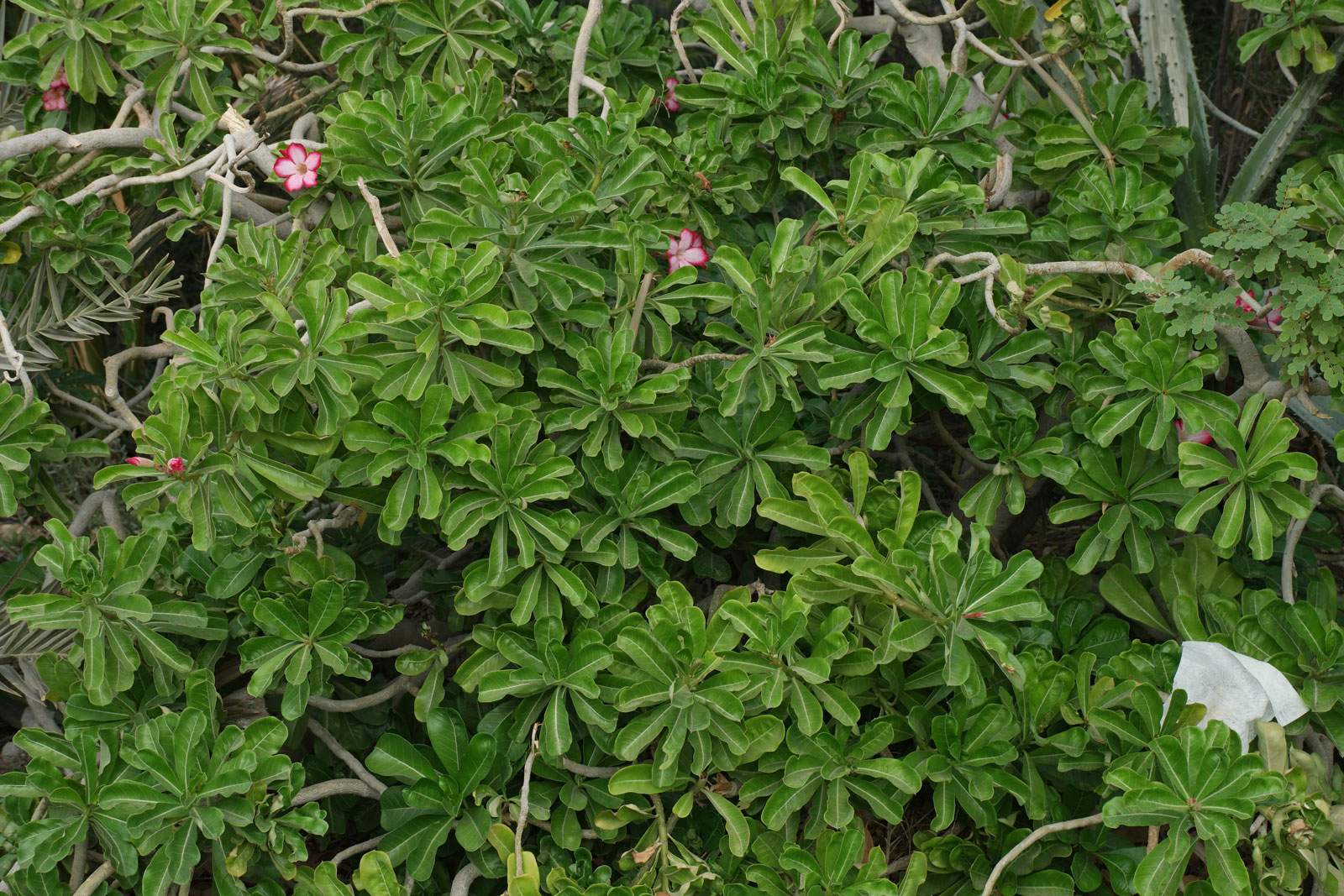
Why Humidity and Airflow Matter More Than You Think
You might assume tropical succulents love humidity—but Adeniums hate damp air like fire ants hate water! High humidity encourages fungal spores and pests thrive in stagnant air too.
Once, I kept mine in a mist-heavy terrarium hoping for “controlled” conditions—it backfired spectacularly with a massive mealybug outbreak within two weeks that spread like wildfire because air wasn’t moving.
Opening windows daily and placing a small fan nearby (low speed is enough) made an incredible difference without any chemicals over months afterward.
The Most Overlooked Step: Quarantine New Plants
Please take this one seriously: quarantine every new Adenium away from your other plants for at least two weeks. Watch closely before introducing it to your garden or collection.
I once saw a single infected cutting bring spider mites into an entire office garden within six weeks—and nobody noticed until plants were badly damaged.
Early detection means smaller problems later on!
What I'd Tell My Past Self (And You)
If you remember just one thing from my years battling pests and disease on Adeniums—it’s this:
Stop guessing your watering schedule based on “plant looks thirsty.” Get a moisture meter!
I use the Dr.meter soil moisture sensor—it takes all the guesswork away by showing real dryness levels before watering again.
Also:
- Inspect leaf undersides weekly with bright LED light or headlamp
- Commit to at least three full treatment cycles of pesticide wipes—don’t expect one spray miracle
- Keep a simple log of symptoms, treatments, weather conditions—that turns guesswork into smart care
Trust me, these small steps make all the difference between killing your plant accidentally and growing something stunning year after year.
Quick Actions You Can Take Right Now
- Grab a magnifying glass or phone macro lens; check every leaf underside carefully.
- Mix neem oil + insecticidal soap exactly: 1.5 tsp neem oil + 1.5 tsp insecticidal soap per liter water.
- Dip soft microfiber cloth in solution; gently wipe leaf surfaces instead of spraying directly at midday.
- Use a moisture meter before watering; only water when top 2 inches are bone dry.
- If root rot is suspected, remove plant within 24 hours; prune mushy roots; let dry before repotting.
- Improve airflow around your plant—open windows or use low-speed fans.
- Quarantine new plants away from others for at least two weeks under close inspection.
- Start tracking everything in a notebook or app like Notion dedicated solely to your plants’ health history.
Growing healthy Adenium obesum is part art, part science—and yes, sometimes pure stubborn trial-and-error! But once you crack its code—not rushing things—you’ll be rewarded with gorgeous blooms year after year that make all those early struggles worth it.
You’ve got this—even if it feels tricky now! Just take it slow, watch closely, and learn as you go (I’m still learning myself). And hey—if you mess up? No big deal—it happens to all of us passionate growers eventually!
For those interested in expanding their knowledge on how to multiply these beauties, exploring propagation techniques for Adenium obesum can be a great next step.


