Common Pests and Diseases Affecting Adiantum Laevigatum: Guide
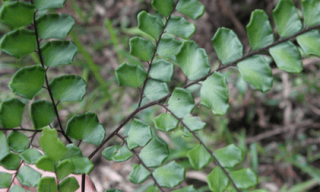
I still remember the sinking feeling when my Adiantum laevigatum first showed tiny yellow spots on its delicate fronds—and then I spotted a faint, almost invisible webbing underneath. That was the moment spider mites had already moved in for good. Honestly, it felt like losing the battle before I even started. Spider mites are sneaky and multiply insanely fast; if you catch just a few, chances are they’ve been there longer than you think. For a comprehensive guide to Adiantum laevigatum plant care, including ideal humidity and watering tips, be sure to check out the main article.

The pests that really cause trouble—and how to spot them early
If you want to save your maidenhair fern, these three critters deserve your full attention: spider mites, scale insects, and mealybugs. Most guides mention them but don’t explain how tricky they can be to detect—especially spider mites.
- Spider mites: Look closely for tiny yellow speckles or stippling on fronds. If you have a magnifying glass handy, check the undersides of leaves for fine silk-like webs—almost invisible unless you squint. They reproduce so rapidly that waiting until you see webbing means treating is urgent.
- Scale insects: These look like little brown or tan bumps stuck on stems or leaf joints. At first glance, I thought they were dirt or dried sap. But when you gently scrape one off, you’ll see a waxy shell and maybe tiny legs underneath.
- Mealybugs: Those fuzzy white cottony patches hiding in the crooks where fronds meet stems are unmistakable once you know what to look for—but they love to stay out of plain sight.
What actually worked for me—and what might save your fern too
I’ll admit, at first I was skeptical about misting twice daily—it felt like a chore—but raising humidity consistently is honestly the biggest game changer against spider mites. They hate moisture.
Here’s my go-to pest-fighting routine that finally turned things around:
- Misting twice daily: Morning and evening with room temperature water using a fine mist sprayer (one with adjustable nozzles helps). Don’t soak the soil—just coat the leaves lightly.
- Neem oil spray every 7 days: Spray every surface thoroughly, especially under leaves and stem joints where pests hide. I used cold-pressed neem oil diluted at about 0.5% (roughly 1 teaspoon per quart of water). Stick with this for at least three weeks—that’s usually enough to break infestations.
- Insecticidal soap backup: If neem oil alone isn’t enough and your fern looks sturdy (no wilting or browning), insecticidal soap like Safer Brand can help knock down stubborn bugs.
One thing I learned the hard way: avoid harsh chemical pesticides unless absolutely necessary—they bruise the delicate fronds easily and can upset helpful microbes in your indoor garden.
Fungal diseases sneak in when watering goes wrong
Root rot hit me unexpectedly once during winter when I thought I was being careful with watering. The soil “felt” damp but wasn’t soggy…or so I thought. When repotting, seeing black mushy roots instead of firm white ones was heartbreaking.
My mistake? Using a peat-heavy soil mix without enough perlite for drainage—peat holds water like crazy if not balanced right.
Switching to a 50/50 peat-perlite mix made all the difference in keeping roots healthy.
Leaf spot is another sneaky fungus problem: starting as tiny brown patches that spread quickly if air circulation is poor. One cold snap shut down airflow in my room for days—and bam! Leaf spot exploded overnight.
Prevention tips that actually stick—and feel doable
“Good air circulation” sounds simple but can be vague advice if you’re new to ferns. Here’s what helped me:
- Use a small oscillating fan set on low near your fern—but don’t point it directly at the plant.
- Open a window nearby for at least 30 minutes daily—even in winter (just avoid cold drafts).
- Water only when the top inch of soil feels dry; test this by sticking your finger in or using an inexpensive moisture meter ($10 on Amazon). For me indoors, this meant watering roughly every 5–7 days.
- Avoid misting late afternoon or evening—moisture sitting overnight encourages fungal spores.
- Immediately snip off any spotted or yellowing fronds at their base and throw them away far from other plants (never compost).
When things look bad—don’t give up too soon
I once lost nearly half my fern’s fronds and felt sure it was doomed—but after trimming all damaged leaves and dialing in humidity around 60%, new growth showed up within three weeks. It gave me hope when I needed it most.
With root rot, repot immediately into fresh soil after trimming blackened roots with sterilized scissors (hydrogen peroxide diluted to 3% works well to sanitize tools between cuts). Skipping this step risks reinfection faster than you’d expect.
How to keep other plants safe while fighting pests
This part tripped me up more than once: spider mites crawl and hitch rides on wind currents indoors; fungal spores stick to tools or water splashes easily.
Now, I isolate any infected fern in a separate room until treatments finish—which usually takes about three weeks with inspections every other day.
Also, wiping pruning shears with rubbing alcohol before moving between plants has saved me from accidentally spreading scale insects from one fern to another more times than I care to admit!
My personal checklist for keeping Adiantum laevigatum pest- and disease-free:
- Inspect weekly under bright light using a magnifier for webs, bumps, or fuzz.
- Mist twice daily during dry months—morning and evening.
- Spray neem oil weekly at 0.5% dilution for three weeks straight.
- Water only when top inch of soil dries out; use peat-perlite mix with drainage holes.
- Keep airflow steady with a small oscillating fan plus daily fresh air exposure (avoid direct drafts).
- Remove discolored or spotted fronds immediately; discard them away from other plants.
- Isolate infected plants until fully cleared (~3 weeks).
- Sterilize pruning tools between uses with rubbing alcohol.
- Repot promptly if root rot appears—trim bad roots carefully and use fresh soil. For more on soil and repotting techniques, see Propagation Techniques for Adiantum Laevigatum.
Quick troubleshooting: What if neem oil doesn’t work?
If after three weeks of consistent neem oil sprays pests persist:
- Double-check humidity levels—you want around 60% relative humidity.
- Increase misting frequency temporarily (up to three times daily).
- Switch to insecticidal soap as backup—but only if your fern looks healthy enough.
- Consider repotting if root rot symptoms appear alongside pests—it’s hard for plants to recover otherwise.
Top 3 things you can do today:
- Take five minutes right now to inspect your fern closely—look under leaves with a magnifier if possible.
- Start misting twice daily if you haven’t already—even just morning and evening water sprays make a big difference.
- Order some cold-pressed neem oil online or pick some up locally—you’ll want it ready just in case.
At times it felt overwhelming—like fighting an invisible army attacking my fragile fern—but sticking with these steps brought mine back from near death more than once.
Remember: It’s not just about killing bugs; it’s about creating an environment where your Adiantum laevigatum feels strong enough to fight back itself.
So yes, pests can be brutal—but steady care routines focused on humidity, airflow, and gentle monitoring will tip the scales back in your favor faster than you expect.
Your patience will pay off—and soon enough those lush green fronds will be waving back at you looking healthier than ever! For a complete overview of Adiantum laevigatum plant care, including soil and humidity preferences, be sure to visit the main guide.


