Common Pests and Diseases That Threaten Your African Milk Plant

When I first brought home my African Milk Plant—a spiky, milky-sapped shrub with leaves that gleamed like emerald glass—I thought I was ready for anything. After all, this plant is known for being tough and a bit toxic, so how bad could pests or diseases really get? Well, within a couple of weeks, I noticed something strange: tiny webs shimmering in the sunlight and a sticky residue on the leaves that felt almost like syrup. That’s when my “easy-care” fantasy started to crack. If you’re new to this plant, you might find this comprehensive guide to African Milk Plant uses and benefits helpful to understand its unique characteristics better.
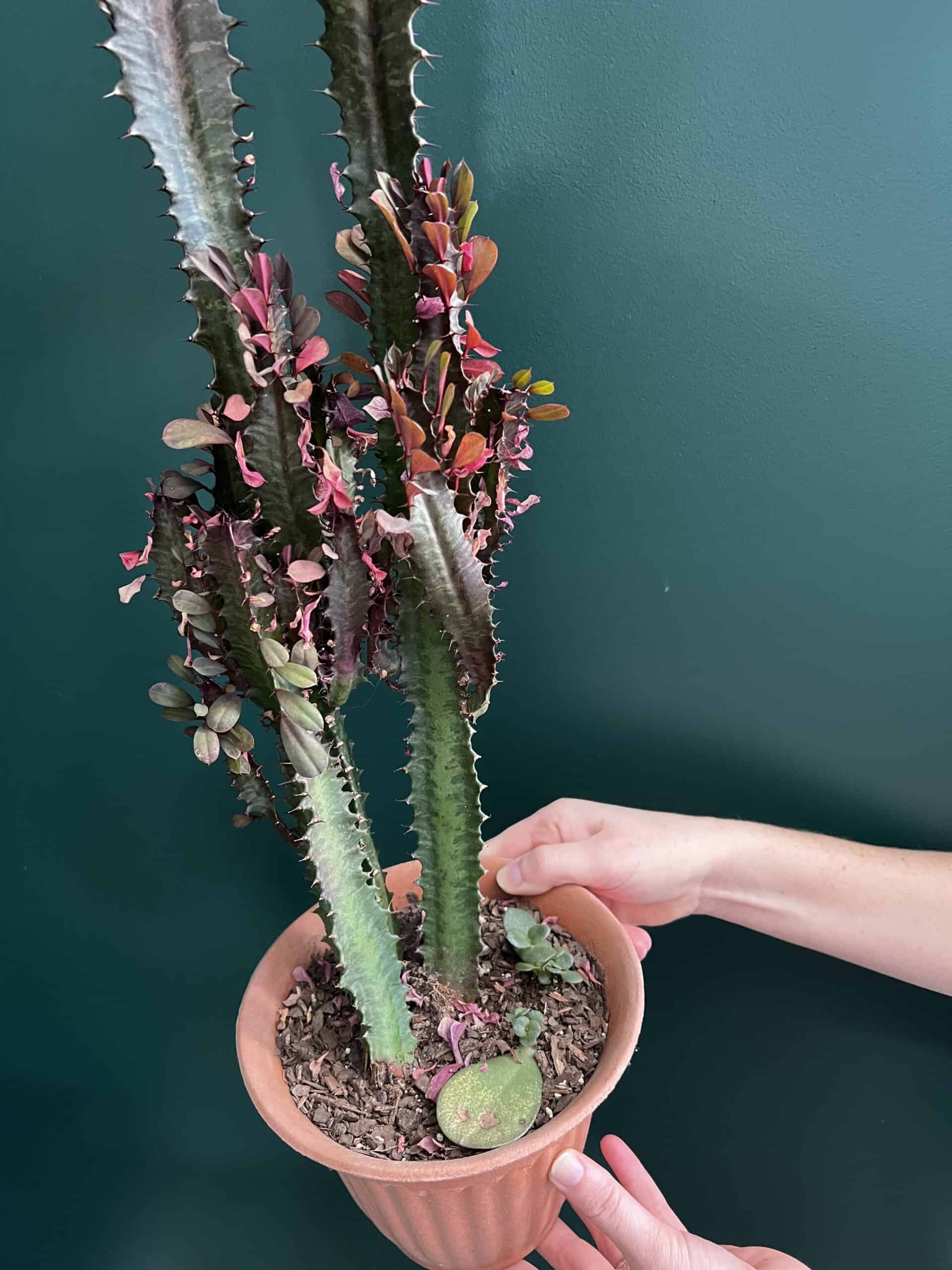
Here’s what I quickly learned: pests and diseases don’t politely avoid plants just because they ooze latex sap. Aphids, mealybugs, and spider mites have a way of sneaking in when your plant is stressed or sitting in dry, warm air. But spotting them is only half the battle—knowing what to do next can trip up even seasoned growers.
Common Pests on Your African Milk Plant (And How to Spot Them)
-
Aphids: These tiny green or black bugs love the tender new growth. They secrete a sticky honeydew that turns leaves syrupy and invites sooty mold—a nasty black fungus that makes your plant look dirty and weak. If you see curling leaves or sticky patches, aphids are often to blame.
-
Mealybugs: Those white, fuzzy cotton-like blobs clinging to stems and leaf joints caught me off guard more than once. They’re tricky because they blend right in with the plant’s natural texture. When you spot them, it usually means an infestation has been brewing quietly.
-
Spider Mites: The fine webs are your giveaway here—tiny silk threads glistening in sunlight, often with minuscule red or brown dots moving underneath if you look closely (a magnifying glass helps!). These pests suck sap relentlessly and can cause leaves to yellow or fall off.
One time, I spent nearly an hour wiping mealybugs off with cotton swabs dipped in rubbing alcohol—tedious but effective when combined with sprays.
Quick Tip: Check under leaves and at stem junctions weekly—you’ll catch infestations early before they spiral out of control.
Diseases That Can Surprise You
- Root Rot: This one blindsided me despite using well-draining soil mixed with perlite and elevating pots on bricks to avoid standing water. One careless week of daily watering turned my African Milk Plant limp and sad-looking. Digging into the roots revealed blackened mush—a classic root rot sign caused by overwatering.
Lesson learned: Water only when the top 2 inches of soil feel dry. No exceptions. Even if your plant looks thirsty, too much water invites disaster.
- Powdery Mildew: At first, it’s subtle—a dulling of leaf surfaces—but powdery mildew can explode into white powdery patches seemingly overnight. It loves humid spots with poor airflow—think stuffy rooms or shaded outdoor corners.
To prevent it: prune dense growth regularly to improve airflow; avoid overhead watering so leaves stay dry; spray weekly with potassium bicarbonate or neem oil during humid months.
Why Pests Love Your African Milk Plant (And What I Wish I Knew Sooner)
Despite its reputation for toughness and toxic sap, your African Milk Plant can be a magnet for pests if conditions are just right—or wrong! Dry air, heat stress, and overcrowding invite infestations faster than you’d think.
And here’s a little twist: sometimes ants are actually farming your aphids or mealybugs for their sweet honeydew secretions. One summer I kept battling pests no matter what I sprayed—until I spotted ants marching up the stems. Controlling ants nearby broke that cycle and finally let natural predators keep pests in check.
How I Learned to Fight Back (Without Waging War)
My first reaction was to grab whatever pesticide was cheapest at the garden center—and boy did that backfire! Broad-spectrum sprays wiped out beneficial insects that were my plant’s natural pest police. Within days, things got worse.


