Common Pests and Diseases in Alfalfa and How to Manage Them
I still remember the exact day I first stepped into my alfalfa field and felt that sinking feeling—that mix of hope and dread. The green wasn’t as vibrant as I’d hoped; some spots were wilting, and tiny bugs swarmed leaves in clusters I couldn’t quite name. It hit me then: managing alfalfa pests and diseases isn’t just about knowing what they are—it’s about reading the signs early, understanding what really matters, and timing your response just right before things spiral out of control. For a comprehensive guide to growing and thriving with alfalfa, understanding the basics of the plant itself is just as important as managing its pests and diseases.
Why Managing Alfalfa Pests and Diseases Is More About the Mindset Than Just Biology
Alfalfa looks tough—deep roots, thick stems—but it’s surprisingly fragile if you miss early warnings. The hardest part? Fighting your own instinct to either freak out or ignore the problem until it gets bad. I used to spray insecticides at the first bug sighting—thinking “strike fast.” Guess what? That often backfired. Beneficial insects like lady beetles got wiped out, and aphids bounced back stronger.
Here’s what changed everything: I committed to a simple weekly scouting routine. Spending just 20–30 minutes walking through different sections, counting aphids on 10 random stems using a $7 hand lens, checking leaves for chew marks or yellow spots. Over time, my brain learned to tell the difference between normal “noise” and real trouble. That “field intuition” is worth its weight in gold because it stops you from reacting out of fear or misinformation. If you’re new to alfalfa, be sure to check out this complete overview of the alfalfa plant to better understand its growth habits and vulnerabilities.
What I Learned Through Trial (and Some Costly Errors)
Year one with a 4-acre patch? I ignored small yellow spots on leaves thinking they were nothing. Turns out those were early aphid infestations. By the time sticky honeydew dripped down stems and canopies curled, I’d lost nearly 25% of my yield that season.
Later seasons brought other challenges: root rot sneaked in after a heavy rainfall when poor drainage kept soil soggy for days. Whole rows wilted overnight. Lesson: no matter how tempting, planting alfalfa year after year on the same land invites disease buildup. Rotating with corn or small grains for at least one season gave the soil a much-needed reset. For more on how to handle your crop after harvest, see harvesting and storage techniques for alfalfa hay.
Common Pests & Diseases: What To Watch For and How To Manage Them
Aphids
- What to look for: Small greenish or yellow insects clustered mostly on young stems and leaves, sometimes covered in sticky honeydew.
- How I scout: Count aphids on 10 randomly picked stems per field section using a hand lens (under $10). If counts stay below 50 aphids per stem, I hold off treatment—beneficial insects usually keep them in check naturally.
- When to act: Treat if counts exceed 50 aphids per stem consistently over two weeks or if beneficials decline significantly.
- Treatment: Insecticidal soaps or neem oil work well for light infestations; reserve pyrethroids (chemical insecticides) only for heavy outbreaks—timed carefully to avoid killing predators.
Alfalfa Weevil
- Signs: Larvae chew leaves into lace-like patterns—often hidden low down on plants early spring before pupation.
- Scouting tip: Look closely at lower leaves for small greenish larvae in early spring (March–April).
- Management: Pyrethroids applied early reduce damage significantly; otherwise, larvae can cause serious defoliation.
Spider Mites
- Symptoms: Fine stippling on leaf surfaces under bright sun; look closely for tiny webs especially during hot dry periods or drought stress.
- How to manage: Increase irrigation frequency during heatwaves; introducing predatory mites can help naturally reduce populations without chemicals.
Diseases You Can’t Ignore
Root Rot (Fusarium Wilt)
- Shows up as wilting rows after heavy rain or poor drainage; roots turn brown and mushy underneath healthy-looking tops sometimes.
What worked for me:
- Crop rotation—never plant alfalfa more than three years in a row without rotating (corn or small grains reset soil health).
- Drainage improvements—installing subsurface tile drainage cost about $1500/acre but cut root rot by nearly 70%. Worth every penny when you consider yield savings.
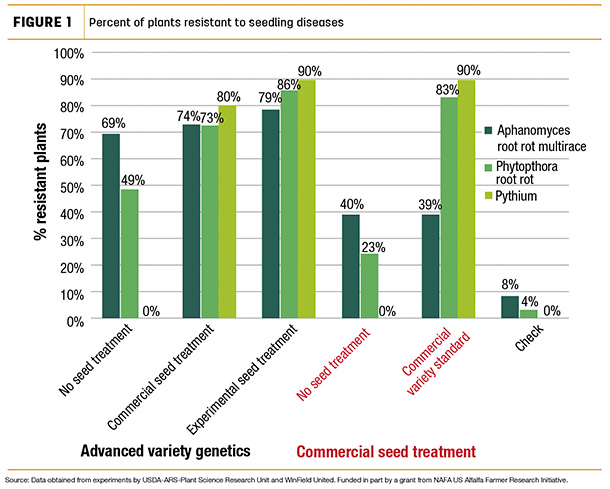
- Resistant varieties—ask your seed supplier specifically about varieties bred for resistance to fusarium wilt and leaf spot diseases.
Leaf Spot Diseases
Brown or purple spots appear on older leaves mainly during wet weather seasons.
Pro tip: Don’t rush fungicides at first sign! Sometimes symptoms are nutrient deficiencies mimicking disease—like magnesium deficiency causing yellowing/browning edges—which testing soil can reveal.
Some Hard Lessons
I once sprayed fungicides three times over six weeks chasing brown leaf spots only to learn later those were nutrient-related stresses compounded by dry soil conditions—not fungal infection at all! Not only was that an expensive mistake ($180+ in sprays plus labor), but it also disrupted beneficial fungi helping my plants’ health.
Another time, spraying pyrethroids too early wiped out lady beetles controlling aphids naturally—and guess what followed? A massive aphid explosion forcing me into heavier chemical use and delayed harvest by two weeks! That taught me patience is sometimes the best pesticide.

Simple Steps You Can Start Today
- Scout weekly — Pick 5–10 spots randomly across your field; count pests with a hand lens if possible.
- Know your thresholds — Don’t spray unless you see more than ~50 aphids per stem or >40% infestation for weevils.
- Test soil annually — Prevent confusion between disease symptoms and deficiencies.
- Rotate crops — Avoid planting alfalfa on the same land more than three years consecutively.
- Improve drainage — Even minor changes help keep root diseases at bay.
- Choose resistant varieties — Ask suppliers directly about resistance ratings.
- Practice sanitation — Burn infected debris instead of composting unless you’re sure compost temps exceed 140°F.
- Use targeted treatments — Favor organic options like neem oil when possible; reserve harsher chemicals for confirmed outbreaks.
Why This Approach Works
Pest and disease management isn’t about trying to eliminate all problems—that’s impossible anyway—it’s about balance: keeping pest populations below damaging levels while protecting beneficial organisms that help your crop thrive naturally.
Think of yourself less like a firefighter rushing into flames, more like a detective gathering clues patiently over time—learning when to act and when to wait makes all the difference in saving time, money, and crop health over years.
Before You Go: My Personal Favorite Tip
Get comfortable spending just half an hour each week walking your field with notebook (or phone app). Jot down pest counts, leaf symptoms, weather notes—even small observations add up fast into valuable insights that help you anticipate problems rather than chase them blindly.
And hey—if something feels off but you aren’t sure what it is yet? That’s okay too. Farming is full of surprises! Share your questions or stories with fellow growers—they helped me more times than I can count—and your experience will build alongside theirs.
You’ve got this because managing pests isn’t just about fighting bugs—it’s about learning their story before making your move.
If you want, here’s a quick checklist for easy reference:
Quick Pest & Disease Management Checklist for Alfalfa
- [ ] Scout weekly: Count aphids on 10 stems/section using hand lens
- [ ] Spray only if >50 aphids/stem sustained over two weeks or >40% weevil larvae observed
- [ ] Identify spider mite damage during hot/dry spells; increase irrigation accordingly
- [ ] Rotate crops every 3 years minimum; avoid continuous alfalfa planting
- [ ] Test soil yearly to distinguish nutrient issues from disease symptoms
- [ ] Improve field drainage where waterlogging occurs (consider tile drainage)
- [ ] Use disease-resistant seed varieties recommended by trusted suppliers
- [ ] Burn infected plant residue instead of composting unless compost reaches >140°F
Remember: Patience + observation + targeted action = healthier fields with fewer headaches down the road.
Got questions? Drop them anytime—I’m rooting for your success out there!


