Common Pests and Diseases Affecting Amaranth Plants: Key Insights

I still remember the morning I stepped out to check on my amaranth patch, expecting nothing but bright green leaves—and instead found them riddled with holes and sticky spots. At first, I shrugged it off. “A few bugs won’t hurt,” I thought. But within days, my seedlings looked like someone had thrown a tiny chew party right on their leaves. That week was a crash course in pests and diseases, and frankly, it kicked my gardening confidence a bit. If you’re new to this plant, you might want to start with a comprehensive guide to amaranth plant care before diving into pest control. Now, after trial and error (and a handful of “what on earth is that?!” moments), I want to pass along the real scoop—the pests and diseases that love amaranth as much as you do, and how to fight back without losing your mind.
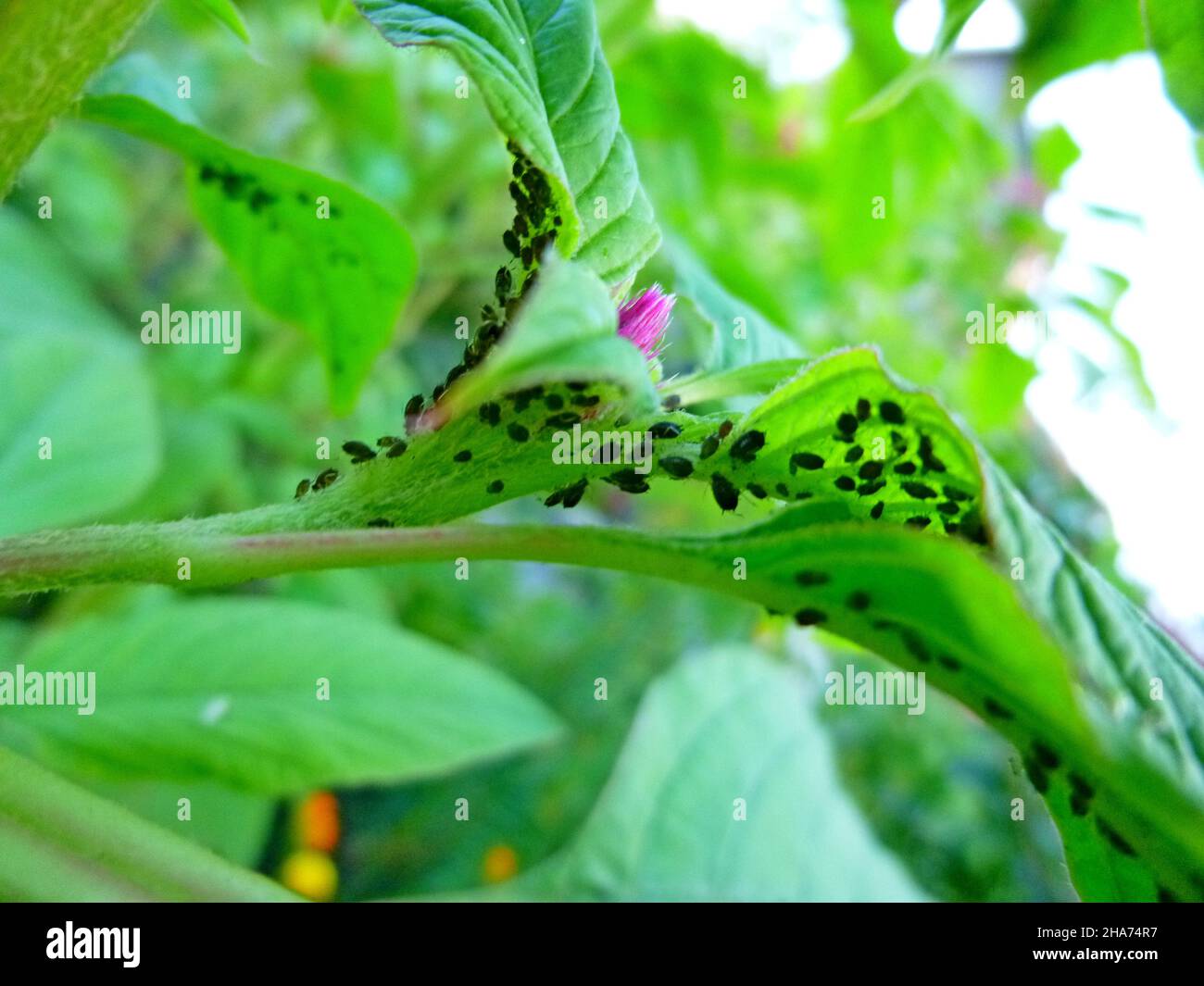
When Bugs Go Bad: The Usual Suspects in Your Amaranth Garden
If your amaranth leaves look like Swiss cheese or are gleaming with weird sticky stuff, here’s who’s probably behind it:
Aphids: These tiny green or black blobs cluster like grape bunches under leaves and along stems. I first spotted them sucking sap from my youngest shoots. The worst part? The honeydew they leave behind—sticky droplets that attract ants and encourage sooty mold, making your leaves look grimy. After fumbling with sprays that barely made a dent, I switched to spraying just the infested leaves with neem oil twice a week for about 10 minutes each time. It wasn’t instant—it took nearly a week—but aphid numbers dropped by around 80%. Patience and precision did the trick.
Flea Beetles: These little jumpers are relentless nibblers of young leaves, leaving tiny round holes everywhere. My seedlings were shredded within three days of planting outside without any protection. Everyone advised insecticides or neem oil right away, but honestly? Floating row covers saved me here—they act like invisible shields if you put them up immediately after sowing. When flea beetle numbers got too high, ladybugs helped with aphids but did zilch against these flea beetles. Moral: don’t expect beneficial insects alone to solve this one.
Leafminers: The sneakiest pests I dealt with—at first you just see squiggly trails inside the leaves before the larvae even show up. They really tested my patience because spraying neem oil only slowed them down slightly. What finally worked was cutting off heavily mined leaves early and tossing them far from the garden bed to interrupt their life cycle.
Sneaky Diseases That Can Shut Down Your Crop Quietly
Pests make noise; diseases sometimes just sneak in and wreck things from behind the scenes:
Damping-Off: This one crushed about 30% of my seedlings during a soggy spring when I didn’t space seeds well and over-watered by misting overhead constantly. Seedlings looked fine for a week then suddenly collapsed at soil level—the classic watery collar collapse. After switching to a well-draining seed-start mix (Espoma Organic Seed Starter worked great), spacing seeds at least 1 inch apart, and watering from below (setting trays in water instead of spraying), my survival jumped from 70% to over 90%.
Root Rot: My clay soil held water like a sponge, turning roots mushy over time despite regular watering schedules. Plants would yellow and wilt no matter what I did. Compost alone wasn’t enough; building raised beds filled with 50% compost mixed with 50% coarse sand gave roots room to breathe—and mulch kept moisture steady without drowning everything.
Leaf Spot: Dark spots ringed with yellow popped up after mornings thick with dew combined with overhead watering from an old sprinkler system. Switching to drip irrigation early in the morning (watering only at the base) plus promptly snipping out spotted leaves made a huge difference—cutting leaf spot problems by more than half in one season.

Tools & Tricks That Actually Worked for Me
Here’s where most guides stop—but these practical steps saved me after years of frustration:
-
Check Your Plants Often: Every 2-3 days I grabbed my magnifying glass and flashlight (especially early morning or late evening) to inspect every leaf underside and stem tip closely. Catch pests when there are fewer than 10 per plant—that’s the sweet spot for easy control.
-
Neem Oil > Insecticidal Soap: Sure, soaps worked okay on aphids but neem oil was more reliable overall—it messes with insect hormones so they stop feeding or reproducing altogether. Twice weekly sprays during pest peaks became my go-to routine.
-
Raised Beds & Right Soil Mix: After five years fighting root rot in flat rows, raised beds became non-negotiable for me—and mixing half compost, half coarse sand gave roots exactly what they needed.
-
Water at Soil Level Only: Switching from sprinklers to drip irrigation cut leaf spot disease dramatically because wet foliage is like candy for fungi.
-
Cut & Carry Away Diseased Leaves Promptly: No second chances here—remove any suspicious or heavily infested leaves immediately and either burn or toss them far from your garden bed (safety first—avoid burning near dry brush or homes).
-
Rotate Crops Annually: I avoid planting amaranth in the same spot more than once a year—instead rotating with beans or brassicas keeps pest populations low by starving out those eggs hiding in soil.
-
Bring In Beneficial Insects as Helpers: Ladybugs helped control aphids but weren’t silver bullets—combined with neem oil treatments though, they kept pest pressure balanced.
When Things Went Sideways
One memorable season? Flea beetles overwhelmed me fast because I hesitated too long on row covers and skipped early barriers altogether—I cursed those little jumpers more than once! Lesson learned: don’t underestimate small damage or delay action—it only gets worse quickly.
Also, watch out for relying on just one treatment method—rotating between approaches like neem oil sprays and physical barriers kept plants healthier long-term.
Worried about pollinators? Me too! Spraying at dawn or dusk minimizes risks since bees aren’t active then—always consider timing carefully.
The Most Important Takeaway?
Don’t wait until your amaranth looks defeated before stepping in—early detection plus consistent layered tactics wins every time. Pests and diseases aren’t enemies you knock out once; they’re challenges you manage season after season—with patience and persistence as your best tools.
For a complete overview of amaranth plant care and troubleshooting, including soil preferences and growth habits, be sure to check out that resource as well. To better understand the value of protecting your crop, consider exploring the nutritional benefits of amaranth leaves and seeds which highlight why maintaining healthy plants is so rewarding.
Your Simple Action Plan: What You Can Do Today
- Set reminders: check plants every 2-3 days.
- Get quality organic neem oil (I liked Garden Safe brand) plus a fine spray bottle.
- Build or improve raised beds—even one small bed makes a difference.
- Change watering habits: use drip irrigation or water directly at roots early morning.
- Prune suspicious leaves immediately; don’t hesitate.
- Keep notes on pests seen and treatments tried—to learn what works best.
- Introduce ladybugs early as backup allies—not magic bullets but helpful friends.
Within two months of following these steps faithfully last season, my amaranth went from vulnerable seedlings to tough plants that shrugged off minor nibbling without panic attacks on my part!
Amaranth is truly rewarding—nutrient-dense beauty that gives back—but it demands respect for its tiny foes lurking nearby. From sticky aphids covered in honeydew to sudden flea beetle raids shredding seedlings overnight—I learned success isn’t about perfection; it’s about vigilance, quick action, and learning as you go (and yes, sometimes swearing quietly when things get ugly).
Every healthy leaf tells your garden’s story—a tale of sweat earned through battle scars turned triumphs. You’ve got everything you need right now to protect your crop like a seasoned gardener ready for whatever bugs come next.
Happy growing—and may your amaranth always stay lush!


