Common Varieties of Allium Plants and How to Identify Them
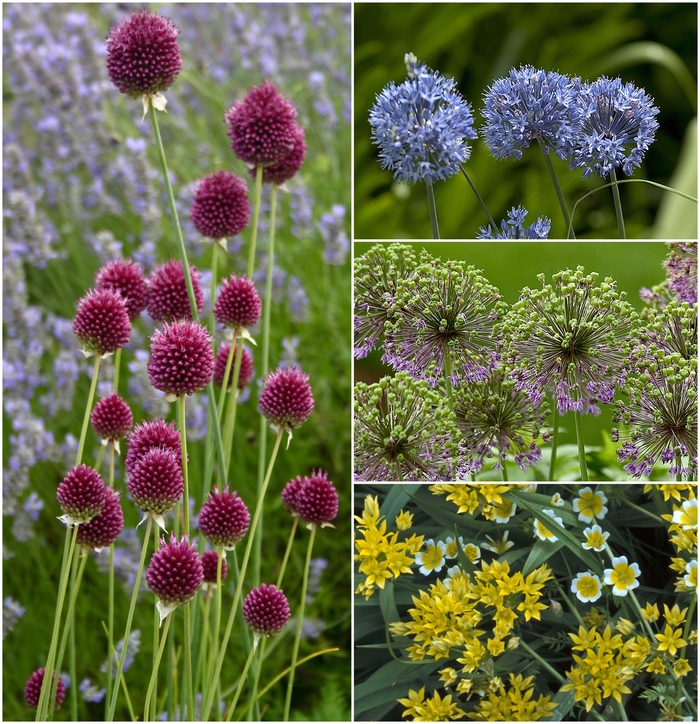
When I first started growing Alliums, I thought, “They’re all just big onion flowers, right? How hard can it be?” Spoiler alert: that mindset led to a season full of confusion, wasted bulbs, and some seriously scrunched-up eyebrows from my gardening friends. The truth is, the Allium genus is surprisingly diverse. Beneath those globe-shaped purple blooms hides a whole world of quirks that nearly every gardener trips over but rarely talks about. For a more detailed understanding, check out this comprehensive guide to Allium plant growth tips.
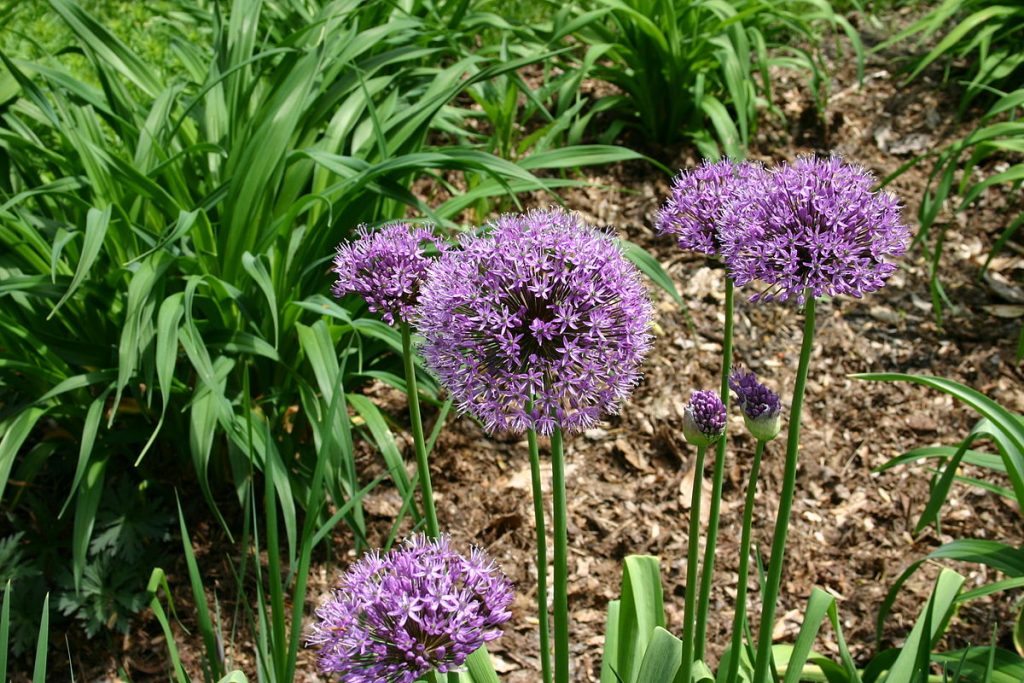
Here’s what I’ve learned—sometimes the hard way—about the most common Allium varieties and how to avoid the usual pitfalls. For more on their background and cultural importance, see the history and cultural significance of Allium plants worldwide.
Mistake #1: Thinking All Alliums Are Basically the Same Plant
It’s so tempting to see those iconic purple spheres and assume all Alliums are interchangeable. But lumping Allium giganteum, Allium schoenoprasum (chives), and Allium aflatunense together is a recipe for frustration.
- Allium giganteum can shoot up to 4 feet tall with massive flower heads 6–8 inches wide. It’s a real showstopper meant for dramatic garden borders.
- Chives (A. schoenoprasum) barely reach 18 inches and have thin, hollow leaves you can snip fresh for cooking.
- Allium aflatunense sits in between at about 3 feet tall, sporting dense, pom-pom-like blooms perfect for bouquets.
My rookie mistake? Planting giganteum bulbs expecting tasty chive leaves. Weeks later: towering stalks with zero kitchen harvest. Lesson learned: just because they look alike doesn’t mean they act alike. Know your species before you plant.
Mistake #2: Ignoring Specific Soil and Sunlight Needs
“Just toss them in soil somewhere” is the worst advice you can give an Allium lover. While most prefer well-drained soil and plenty of sun, each species has its own quirks:
- Giganteum demands at least 6 hours of direct sun daily and absolutely hates soggy soil—the bulbs will rot fast if it’s too wet.
- Chives are surprisingly adaptable; partial shade and richer soils won’t faze them.
- Aflatunense needs sandy or loamy soil with excellent drainage—too much moisture makes it sulk or worse.
I learned this the hard way when I planted giganteum bulbs in a shady corner with heavy clay soil. They barely poked through all summer—not a single flower in sight. After moving them to my sunniest spot and amending the soil with sand, suddenly I had vibrant 4-foot-tall flower spikes everywhere. Night and day difference!
Mistake #3: Overlooking Bloom Times
If you want a summer-long parade of purple onion flowers, mixing varieties without considering bloom times is like throwing a party where everyone shows up on different days.
- Chives bloom early summer (May–June) with delicate pale purple clusters.
- Giganteum waits until mid to late summer (June–July) to steal the spotlight.
- Aflatunense blooms in between but overlaps enough to cause crowding if planted too tightly.
Once, I planted giganteum and aflatunense side by side hoping for synchronized color bursts but ended up with a strange month-long gap where nothing bloomed. Bloom timing matters—a lot!
Mistake #4: Assuming All Alliums Are Edible
Because garlic and chives are kitchen staples, I assumed all alliums were edible without issue. Nope! Ornamental types like giganteum or aflatunense have tougher textures and stronger sulfur compounds that aren’t exactly delicious—and can upset your stomach if eaten carelessly.
If you want edible leaves or bulbs, stick with culinary favorites like chives or garlic (Allium sativum). Using ornamentals for cooking risks wasting your harvest—or worse. For ideas on edible varieties and recipes, explore the culinary uses of Allium plants around the world.
Mistake #5: Squeezing Bulbs Too Close Together
I’ll admit it—I tried cramming giant allium bulbs just 3 inches apart because garden space was tight. The result? Puny flowers competing fiercely for nutrients with weak stems that needed staking constantly.

Here’s what works better:
- Give large alliums like giganteum or aflatunense 6–8 inches apart.
- Smaller species like chives can handle closer spacing around 4 inches.
Giving each bulb breathing room isn’t just about looks—it directly affects flower size, stem strength, and overall plant health.
Real-Life Lessons That Stuck With Me
-
Botanical Garden Inspiration: At a local public garden, they layered giganteum and aflatunense spaced properly at 8 inches apart—giant globes towering over dense pom-poms created an amazing vertical rhythm all summer long.
-
Kitchen Garden Win: A friend grows chives next to her parsley beds; she snips fresh leaves weekly for salads even when sunlight is patchy. Chives really do thrive almost anywhere.
-
Soil Disaster: My impatience planted giganteum in heavy clay produced nothing but bulb rot one spring. Fixing it required heavy soil amendment with sand and compost plus relocating plants into full sun—cost me almost $40 in wasted bulbs but taught me not to cut corners again.
Troubleshooting Tips You Don’t Hear Often
- Sparse or missing flowers? Check sunlight first—less than 6 hours daily sunlight kills giant alliums’ chances.
- Bulb rot usually means poor drainage; raised beds or grit-enriched soil often save your crop.
- Not sure which allium you’ve got? Look at leaves—thin tubular ones mean chives; strap-like leaves point to ornamental types.
- Watch out for onion maggots if growing edible varieties—they’re sneaky pests that silently ruin crops unless caught early.
What I Wish Someone Had Told Me Before Starting With Alliums
Don’t rush into planting every variety at once hoping they’ll behave similarly. Start small—with maybe two or three species—and spend six months living alongside them learning their quirks (sunlight needs, bloom times, growth habits). After that period, patterns start clicking in ways no article can teach you—that’s when gardening stops feeling like guesswork.
Alliums are tough survivors once established—but only if you respect their differences instead of assuming one-size-fits-all. For a complete overview of Allium plant growth tips, you can dive deeper into species-specific advice and care techniques.
Quick Checklist Before You Plant Your Next Batch of Alliums
- Choose varieties based on your space: tall giants need room; chives can cozy up.
- Match planting spots to species’ sun & soil preferences:
- Giganteum = full sun + well-drained sandy/loamy soil
- Chives = partial shade okay + richer soils tolerated
- Aflatunense = full sun + excellent drainage
- Plan bloom succession if you want continuous color:
- Early summer = chives
- Mid-summer = aflatunense
- Late summer = giganteum
- Don’t assume ornamentals are edible—stick with known culinary types if you want food.
- Space bulbs properly (6–8 inches for large types; ~4 inches for chives).
- Watch out for pests like onion maggots on edibles.
Take it slow—observe how your plants grow before expanding your collection—and remember: every Allium has its own personality waiting to reveal itself in your garden.
Getting these little details right saved me countless headaches (and dollars). Now my garden feels less like a random patchwork and more like an evolving tapestry where each Allium plays its unique part beautifully—from bold shapes to delicate flavors.
If there’s one thing I hope sticks with you today: don’t let those pretty purple globes fool you—they’re as different as onions are from garlic beneath the surface. Treat each variety like its own quirky character—not just “that purple flower”—and watch your garden reward you year after year with unforgettable blooms.
Happy planting! And hey—if something goes wrong (because it probably will at some point), consider it part of the adventure rather than failure. Gardening’s messy like that—and better for it!


