The Culinary Uses of Allium Plants: Global Insights and Benefits
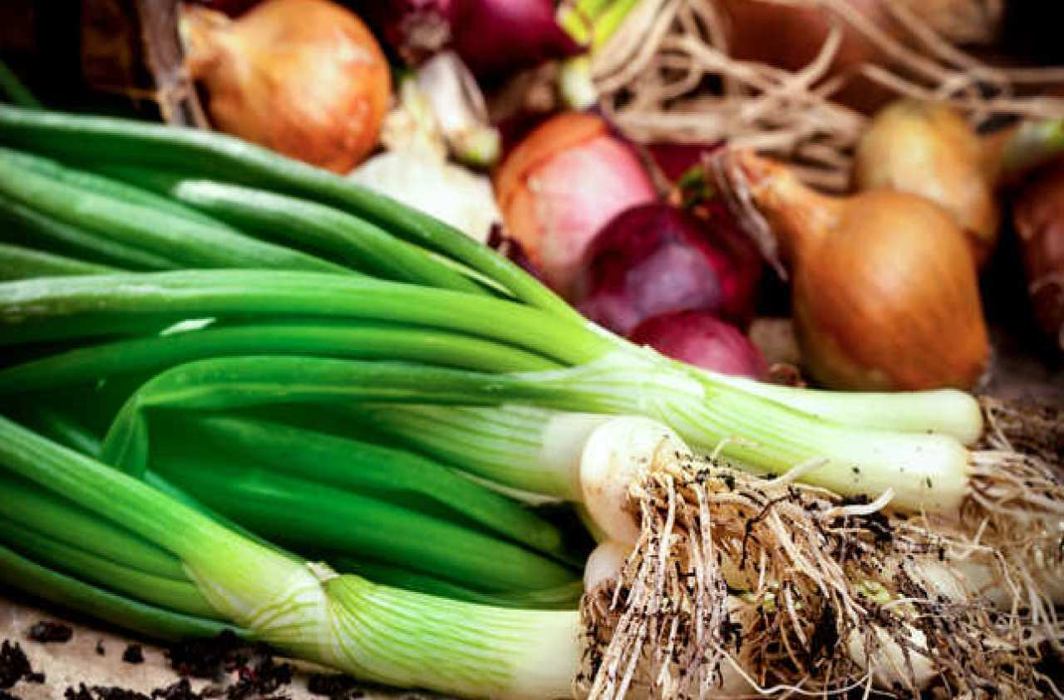
There was a time early in my cooking journey when alliums—garlic, onions, leeks, chives—felt like the “background noise” of flavor. You know, that thing you toss in because recipes say so, never really questioning why or how. It took a few burnt dinners and a lot of patience before I realized just how misunderstood these humble plants are—and why they behave so differently depending on culture, technique, and timing. For a more detailed understanding, check out this comprehensive guide to Allium plant growth and care.
Alliums aren’t just ingredients; they’re living lessons in transformation. Let me share what I’ve learned—not from textbooks, but from trial, error, and some tasty breakthroughs.
Why Alliums Often Seem Like Dead Ends (And How That Blocks Creativity)
When you first chop garlic or onions, you might think it’s just sharpness or sweetness—and that’s it. But here’s the catch: our brains want quick rewards. Raw garlic can be harsh; burnt onions bitter; leeks gritty if you’re careless. Most cooks give up too soon or treat alliums as mere seasoning crutches.
But alliums are slow-burn performers. Their sugars and sulfur compounds unfold gradually. Imagine watching raw onions sweat on low heat for 30 minutes until golden—what feels like boring patience actually transforms them into something sweet and complex. I remember rushing onion browning for an Indian curry once—it tasted flat and harsh. Only after forcing myself to slow down did the magic happen.
That slow transformation? It’s not just chemistry—it’s how we build confidence with new skills: uncomfortable at first but richly rewarding over time.
Around the World with Alliums: Simple Uses That Pack Punch
The fascinating part? The same allium species show up everywhere—but their roles change dramatically:
-
Southern Italy: Garlic isn’t quickly tossed in. Instead, cloves are slowly confited in olive oil at about 90°C (195°F) for 40-45 minutes until soft and buttery. This mellows garlic’s punch into a deep richness that makes even simple pasta sing.
-
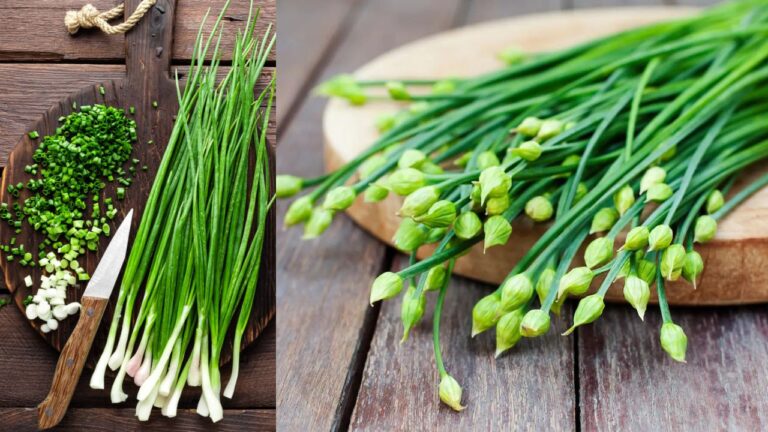
Korea: Fresh chives aren’t cooked at all—they’re sprinkled raw on pajeon (scallion pancakes), adding bright herbal crunch without heat. This contrast brings a lively texture and freshness to the dish.
-
France: The classic leek soup vichyssoise uses only white leek parts and requires careful washing and straining to avoid grit—details small but essential for that silky smooth finish.
-
Nordic countries: Pickled red onions are more than preservation—they provide sharp acidity to cut through rich oily fish common in colder climates. This tangy crunch wakes up your palate like nothing else.
Each culture tweaks the same plants differently based on climate, tradition, and available resources—which shows how versatile alliums really are. For a deeper dive into their cultural roles, see understanding the history and cultural significance of Allium plants worldwide.
Counterintuitive Truth: What Feels “Wrong” Often Works Best
You’ve probably heard garlic is best raw for boldness or fried quickly for aroma—but here’s what I found: roasting or confiting garlic unlocks deep sweetness by mellowing its sulfur bite. It becomes a flavor glue rather than a flashbang.
Similarly, chopping chives before cooking destroys their delicate aroma—so add them fresh at the very end for brightness. It feels odd because we want to infuse flavor at every stage—but sometimes less is more.
My Garlic Confit Saga: Lessons from Failure
My first garlic confit attempt? A total disaster—too hot, too long; cloves turned bitter and stringy. I nearly quit right there.
But try number three was different: keeping oil temperature steady around 90°C for about 45 minutes made cloves melt buttery on my tongue without burning the oil. The kitchen smelled amazing—not like raw garlic fire anymore but gentle sweetness.
Two big takeaways:
- Mastery means failing enough times to find that fragile edge where things flip from bad to beautiful.
- Sensory patience beats instant gratification—the kitchen becomes a lab where slow observation pays off.
Practical Tips You Can Try Today
Here are some concrete steps that work:
- Roast whole heads of garlic (wrap in foil at 180°C/350°F for ~40 minutes) instead of mincing raw—it softens flavors beautifully.
- Wash leeks layer by layer under running water; grit hides stubbornly between layers.
- Add chives last to finished dishes to preserve their fresh punch.
- Slow-cook onions on low heat (~110°C/230°F) for 30+ minutes; this develops complex sweetness without bitterness.
- Try fermenting garlic into black garlic (a few weeks at ~60°C/140°F)—this turns harshness into umami-rich softness perfect as a spread or flavor booster.
- Pickle red onions Nordic-style: slice thinly, soak in vinegar brine with sugar/salt for a few hours to overnight—adds tangy crunch great with fish or sandwiches.
Even if you mess up timings or temperatures slightly? Don’t worry—that’s part of learning! Cooking is as much about feeling as formulas.
Why Alliums Are More Than “Just Flavor”
Alliums embody transformation—a process our brains find deeply satisfying. Watching raw materials morph through time mirrors personal growth stories we relate to emotionally.
When you wash leeks carefully or slow-cook onions patiently, you’re practicing mindful craftsmanship that rewards your attention with layered flavors most cooks miss out on. Chefs worldwide see alliums not as background seasoning but as cultural storytellers wrapped in plants. For more on their growth and care, see this complete overview of Allium plant cultivation. You can also explore common varieties of Allium plants and their characteristics to better understand the differences that affect cooking techniques.
Your First Challenge: Pick One Allium & Try a New Culture’s Technique
For example:
- Make an Indian-style onion curry base by slow sautéing onions over low heat for 30+ minutes until golden.
- Confite garlic cloves gently in olive oil like Italians do (keep below 95°C/200°F).
- Sprinkle fresh chopped chives Korean-style over salads or pancakes.
- Pickle red onions Nordic-style using vinegar brine (vinegar + sugar + salt).
Pay attention not only to taste but how taking your time changes your experience—and maybe even how patient you feel yourself!
This rewires cooking from reactive seasoning to thoughtful flavor crafting—and suddenly these familiar plants become stars of your kitchen stage.
Embracing alliums means embracing patience, curiosity, and respect across cultures—they’re not just ingredients but living lessons in transformation that feed both body and mind. After years fumbling through burnt onions and bitter garlic attempts myself, I promise: your willingness to explore beyond quick fixes will unlock hidden depths—not only in your cooking but also in how you connect with food as an art alive with history and human stories.
So go ahead—grab that onion or clove of garlic today—and get ready for some delicious surprises.


