Decorative Uses of Allium Flowers for Effective Garden Design

When I first planted Alliums in my garden, I thought, “Great—tall stems with big round flowers will just add some interesting texture.” I tucked a few ‘Purple Sensation’ bulbs next to smaller perennials, imagining a subtle pop of color. Instead, those globe-shaped blooms took over—towering above everything else like they owned the place. It was like inviting a guest who insists on being the center of every conversation. For a comprehensive guide to Allium plant growth and care, I found it helpful to understand their full potential before planting.
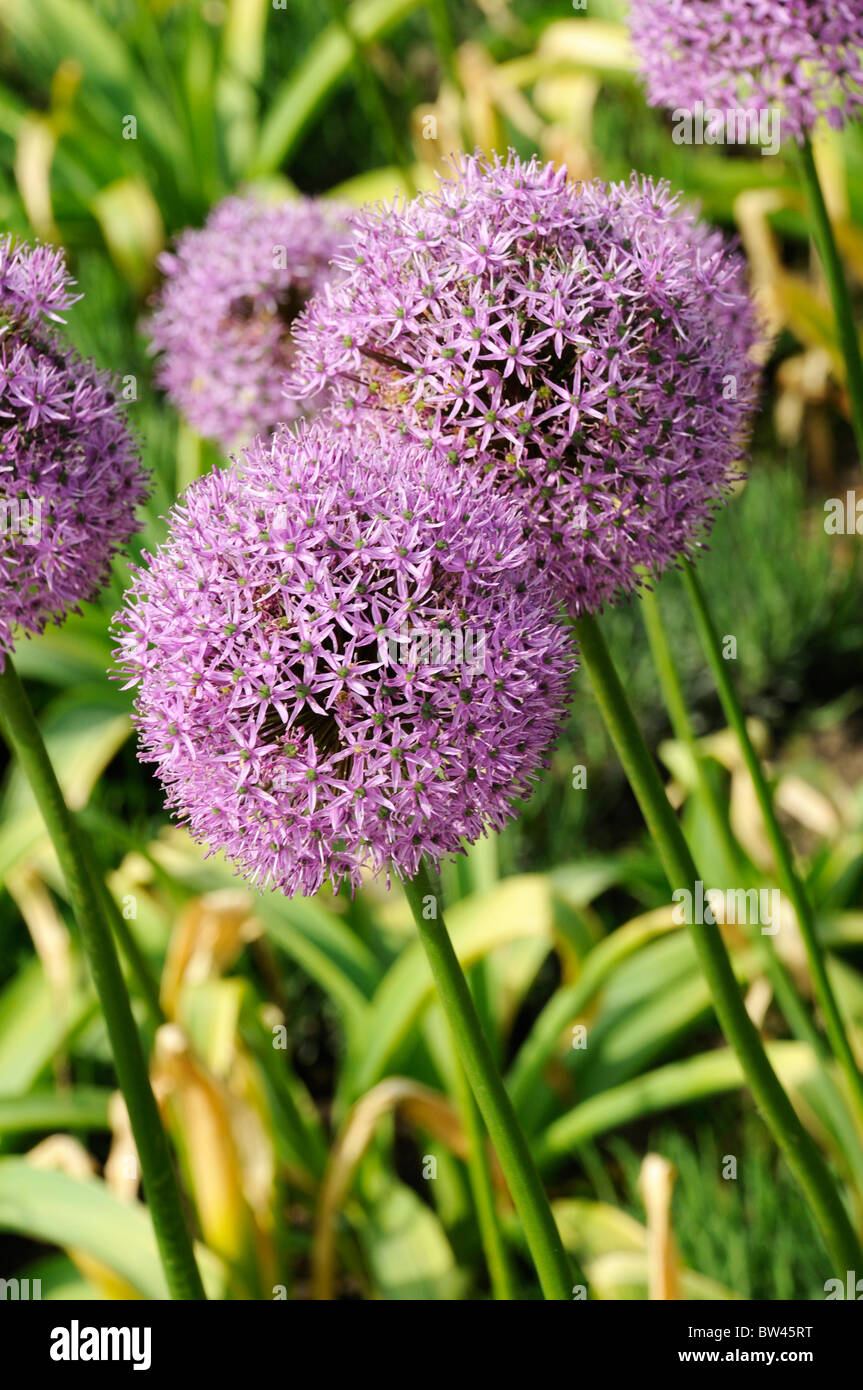
That early misstep taught me something important: Alliums aren’t just pretty flowers you sprinkle around—they’re architectural features that demand space and respect. Forget vague advice about “adding height” or “mixing textures.” The real challenge is learning how to work with their boldness instead of trying to hide it. For insights into their broader cultural role, exploring the history and cultural significance of Allium plants worldwide can add depth to your appreciation.
Why People Often Overthink Using Alliums
I’ve seen this pattern again and again: gardeners or florists either cram Alliums too close together or scatter them randomly, hoping they’ll blend in quietly. Expert jargon like “rhythmic spacing” or “color harmony” can sound intimidating and overcomplicate things.
Here’s a simpler way:
Treat Alliums as vertical sculptures first—not just flowers. Their stems can reach 2 to 4 feet, capped by large spherical blooms that act like natural exclamation points. They need breathing room and quieter companions. For a complete overview of Allium plant characteristics and growth tips, you can find detailed advice that complements these design ideas.
How I Learned to Design with Alliums (And What Actually Works)
After some trial and error, here’s my go-to method:
-
Plant in odd-numbered clusters—3 to 7 bulbs spaced about 10 inches (25 cm) apart
This spacing isn’t random! Too close (say 4 inches/10 cm) and the flowers crowd each other, flattening out mid-season. Giving each bloom enough elbow room lets those spheres stand tall and proud. -
Pair with soft, low-growing plants for contrast
Instead of layering Alliums with other tall or flashy plants, I use ground covers like creeping thyme or lamb’s ear. Their soft foliage creates a tactile carpet that makes the rigid Allium globes really pop without competing. -
Use Alliums as vertical anchors in garden borders
For example, in one small office courtyard I worked on, ‘Globemaster’ purple Alliums stood behind lavender and catmint beds. The tall purple spheres drew eyes upward while lavender added fragrance and a calming mid-level texture. It created rhythm without chaos—a kind of visual music. -
In floral arrangements, let Alliums be bold but balanced by greenery
At a florist shop where I consulted for weddings, we paired Allium stems mainly with eucalyptus leaves and soft ferns—not too many other bold flowers. That breathing space made bouquets feel modern and fresh rather than overcrowded.
A Less Talked-About Tip: Bloom Timing
Everyone says plant Alliums in full sun for best growth—and that’s true—but their bloom time is fairly short (usually about 3 weeks). If your garden or floral design needs longer-lasting color, stagger plantings across different varieties or species.

For example: plant ‘Purple Sensation’ alongside white ‘Mount Everest’ and yellow ‘Millenium’ bulbs in sequence to stretch visual interest from late spring into early summer. Plus, mixing colors breaks up the heavy purple look many designers default to.
Troubleshooting Common Problems From My Experience
- Overcrowding: Jammed bulbs lead to floppy stems by season’s end—and unhappy clients.
- Timing mismatch: Using pre-cut alliums harvested too early means buds never fully open; vase life tanks.
- Color overload: Pairing purple Alliums with bright red flowers can feel aggressive—adding pale pink peonies helps soften the effect.
Quick Tips to Get You Started
- Plant clusters of 3–7 bulbs spaced about 10 inches (25 cm) apart.
- Use low-growing soft foliage plants nearby for contrast.
- Reserve space for Alliums—they need room to stand tall.
- Stagger bloom times by mixing varieties (‘Purple Sensation’, ‘Mount Everest’, ‘Millenium’).
- In bouquets, pair with greenery like eucalyptus rather than other showy blooms.
- Remember: less is more when it comes to Allium arrangements.
Final Thoughts — Give Them Room to Shine
If you’re new to using Alliums, don’t treat them like filler—they’re bold natural sculptures demanding respect for scale and timing. Start small: maybe five bulbs spaced generously in the garden or two stems in a bouquet with supportive greenery.
Watch how they interact over weeks—not just hours—and adjust as needed. It’s not always easy; I’ve had my share of floppy stems and awkward color clashes too. But once you embrace their architectural nature instead of fighting it, your designs will gain effortless sophistication—looking anything but complicated.
So next time you see those tall stems topped with perfect purple spheres, remember my early rookie mistake: don’t squeeze them in like filler. Give them space to be themselves—and watch your garden or bouquet come alive with unexpected elegance. For practical advice on cultivating these striking plants, see our guide on how to grow and care for Allium plants in your garden.
Gardening is part art, part experiment—don’t be afraid to make mistakes along the way! After all, what’s more satisfying than seeing those bold Allium globes sway confidently above your carefully planned layers?


