Design Ideas Using Adenium Plants to Elevate Your Garden Space
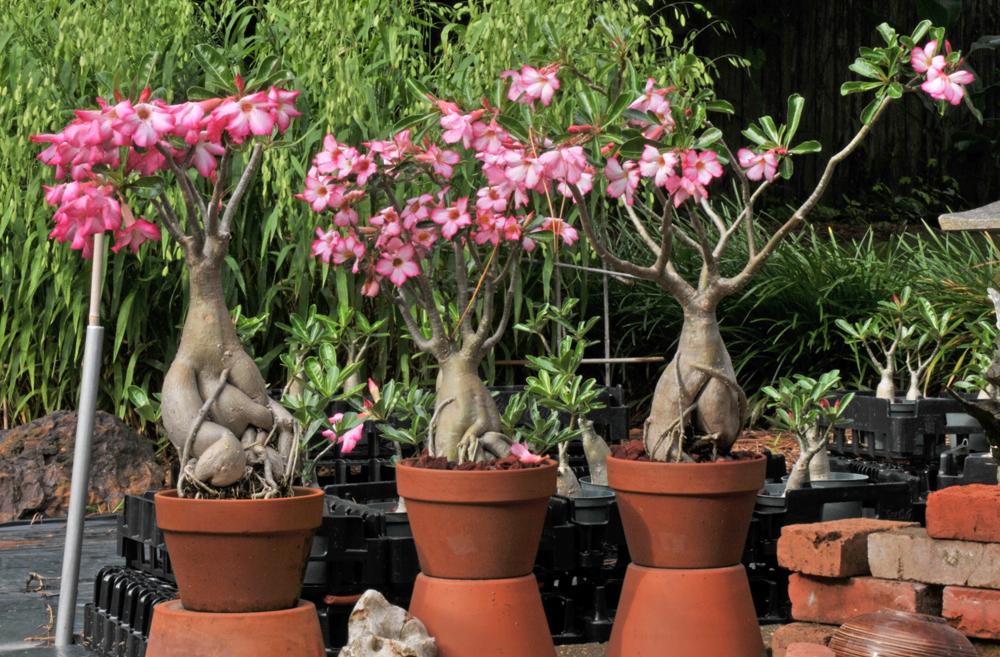
I still remember the day I brought home my very first Adenium—this quirky little plant with a bulbous, knobby trunk and neon-pink blooms that looked almost unreal. At first, I just wanted it to stand out without drowning it in the chaos of my garden. But trust me, it took a few scrapes and stumbles before I cracked the code on making Adeniums not just survive, but truly shine as showstoppers. If you’re new to these desert beauties, I highly recommend checking out this comprehensive guide to Adenium plant care to get a solid foundation before diving into the details. Let me pull back the curtain on what I’ve learned after years of trying (and sometimes failing) to integrate these desert gems into my outdoor spaces.
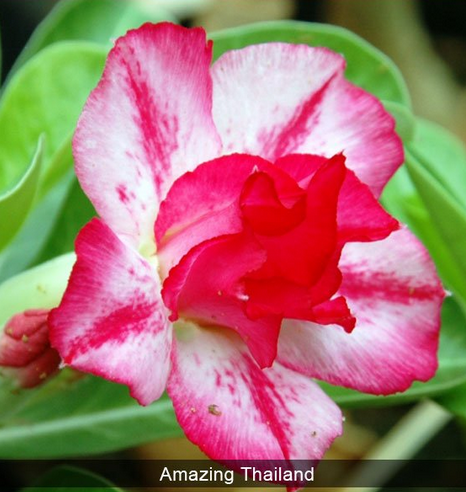
Secret #1: Place It Like You Mean It — Sunlight Isn’t Just a Suggestion
I made the rookie mistake of planting my Adenium in a shady corner with rich, loamy soil. The plant sulked for nearly a month—droopy leaves, no flowers, nothing. It took me about three weeks of trial and error before I realized: Adeniums are desert natives. They thrive on bright sunlight and bone-dry conditions.
Here’s the insider trick: Think like a desert architect. Locate the sunniest spot you have, ideally where the plant gets at least 6 solid hours of direct sun each day. Around here, that meant reshuffling some other plants and clearing out a patch where gravel and stones already created natural drainage.
Secret #2: Build a Mini Desertscape — Not Just A Pot or Patch
One of my more rewarding projects was creating a 4x6 foot mini desert garden in my backyard. Instead of just dumping the Adeniums into regular soil, I layered coarse beige gravel with pockets of sand and scattered smooth river rocks. Then I planted two Adeniums about 18 inches apart—far enough to let their trunks breathe visually.
To make it pop, I surrounded them with small echeverias and agaves which added texture without stealing attention. Within three months, those bright pink flowers became the magnet of every neighborhood stroll. The key? Mimicking their native habitat—not just for aesthetics but for health.
Secret #3: Pots Are Your Portable Art Gallery — But Choose Them Wisely
When space is tight or you want instant impact, don’t underestimate the power of pots. My favorite moment was setting an Adenium into a vibrant cobalt blue ceramic pot on my porch last spring. The contrast was electric—the fuchsia blooms against that intense blue glaze—it stopped me mid-morning stroll.
Here’s what most people miss: Pots need drainage holes and you must use gritty cactus soil mix (I swear by Miracle-Gro Cactus, Palm & Citrus Mix). Also, elevate your pots on small stands or bricks to improve airflow underneath—this often prevents root rot far better than watering habits alone. For more on keeping your Adenium healthy indoors, see how to care for Adenium plants indoors.
Secret #4: Bonsai? Absolutely! But with Patience (And Wire)
A friend once handed me her tiny Adenium bonsai after years of careful pruning and wiring. Its twisted trunk looked like something out of a miniature fantasy world—delicate pink flowers perched atop hard wood. Inspired, I started one myself from a 10-inch seedling.
Over 18 months, with careful wiring and selective pruning every few weeks, it grew into a compact tree about 16 inches tall with a thick caudex base that stole the show on my kitchen windowsill during dinner parties.
Here’s the catch that threw me off at first: Adenium bonsais need intense light indoors—regular windowsill sunshine isn’t enough unless you supplement with grow lights (I use an LED panel set at 6500K for 6 hours daily). Watering must be monitored closely—deep but infrequent—and never let water pool in the tray beneath.

Secret #5: Play Matchmaker — Let Your Adenium Flirt With Other Plants
Pairing an Adenium with companions is an art form. Early on, I crammed mine next to taller shrubs; the poor thing got overshadowed and sulked again. Later, I experimented lining a garden path with alternating Adeniums and clumps of blue fescue grass. Not only did the colors contrast beautifully—the spiky grass versus the smooth thick trunks—but it created rhythm and flow through the space.
Another twist: surround your potted Adeniums with fragrant low-growers like lavender or thyme—not only do they fill empty gaps without crowding roots, but they also add sensory layers through scent and texture.
What Most People Get Wrong About Watering (Including Me!)
Everyone says “water sparingly,” but here’s what years of mistakes taught me: don’t just water less—water deeply. Shallow watering encourages weak roots near the surface; deep watering forces roots to grow strong and deep into your gritty mix.
My rule of thumb? After watering thoroughly, wait for the soil to be completely dry—check by sticking your finger at least 2 inches deep—before watering again. In summer heat here, that often means once every 10 days when outdoors; less indoors.
Troubleshooting From Experience
- Leggy growth? Move it to brighter sun or prune nearby plants blocking light.
- No blooms or flower drop? Cut back on nitrogen-heavy fertilizers and dial down watering frequency.
- Root-bound pots? Don’t wait until your Adenium looks unhappy; repot every 2-3 years with fresh soil and just one size bigger container.
One time I ignored this until leaves yellowed—that repotting was like giving it new life. If you notice unusual spots or pests, it’s worth reviewing common pests and diseases affecting Adenium plants to catch problems early.
The biggest lesson I’d tell any friend starting out: Start simple but plan for patience. You can’t rush an Adenium’s natural charm—it takes time to coax out its sculptural beauty. But once you get its needs right (hello sun, drainage, deep water), it rewards you with bold color and architectural drama unlike any other garden plant.
So survey your sunny spots today; grab some gritty soil mix; pick a pot or rock garden corner; then let those thick trunks burst into vibrant life as your personal desert jewel.
Trust me—you’ll find yourself smiling every time you walk by it.


