Discover Aloe Plants: Types and Uses That Boost Your Wellbeing
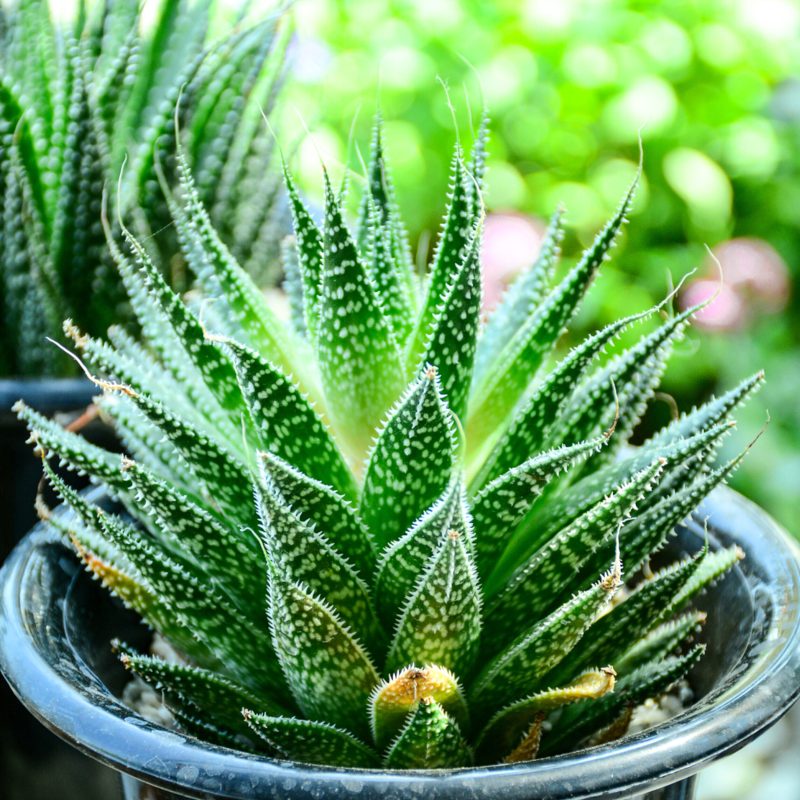
When I first got into aloe plants, I thought I’d hit the jackpot—a single, unassuming green leaf that could fix everything from sunburns to digestion issues. Everyone talks about Aloe vera like it’s some miracle plant, right? But after a few painful experiments (including one where my skin flared up worse than before), I learned something most people don’t: lumping all aloe plants together is not just lazy advice—it can be downright harmful. For a comprehensive guide to aloe plants, including how to grow and care for them, check out this detailed resource.

Here’s what really happened. I bought a plant labeled simply “aloe” at a garden center. It looked like Aloe vera but was actually Aloe ferox, or Cape aloe. Excited, I sliced open a leaf and slathered the gel on a minor sunburn. Instead of relief, my skin got irritated. That’s when I dove deep—literally and figuratively—and uncovered how wildly different these aloes are beneath their prickly exteriors.
Why thinking “all aloe is equal” is your first mistake
The truth is: Aloe vera, Aloe arborescens, and Aloe ferox aren’t interchangeable remedies. They’re like distant cousins with very different personalities—and chemical profiles—that affect how you should use them.
-
Aloe vera is the gentle giant here. Thick, fleshy leaves hold a clear gel mostly made of water and soothing compounds perfect for burns, cuts, and dry skin. I’ve kept one by my kitchen window for years; when my toddler scraped his elbow last summer, cutting open a leaf and applying the gel was faster—and frankly more effective—than any store-bought cream. Just beware the yellow sap under the skin—that latex can cause stomach cramps if swallowed. For tips on safely using Aloe vera gel at home, see Aloe Vera Skin Care Recipes You Can Make at Home.
-
Aloe arborescens, sometimes called Krantz aloe, looks less like your typical houseplant—thinner leaves arranged in a bushy rosette. This one packs more punch both inside and out for immune support and wound healing but isn’t as forgiving as Aloe vera. For example, a wellness agency I consulted for uses Aloe arborescens extracts in supplements but had to nail dosing exactly—too much triggers digestive upset.
-
Aloe ferox is the wild card. It has spiny leaves with reddish tips and tastes bitter—definitely not for soothing your skin. Its power lies in digestive health because it contains aloin and anthraquinones, strong laxatives that can detoxify but become dangerous if misused. After almost making juice from fresh leaves (don’t try that at home!), I learned you should only consume commercially prepared extracts where those compounds are carefully measured.
What most “aloe guides” won’t tell you:
-
Don’t use Aloe ferox gel on burns! The laxative compounds irritate skin instead of soothing it—it’s no substitute for Aloe vera.
-
Eating aloe? Even Aloe vera needs prep! You must remove that bitter latex layer or risk cramps or diarrhea.
-
Growing all types indoors? Not so simple.
- Aloe vera loves bright indirect light—easy indoors with minimal fuss.
- Aloe arborescens prefers outdoors but survives inside if conditions are perfect (think bright light plus good airflow).
- Aloe ferox needs full sun and room to grow tall; indoors usually doesn’t cut it. For more on this, check out Ideal Soil and Watering Tips for Aloe Plants.
- Beware pets! Cats and dogs find these plants tasty—but many aloes are toxic to them if nibbled.
What I recommend if you want to start right now
Start small with Aloe vera for topical skincare because it’s forgiving and effective without complicated risks or dosing hassles. When my friend got into Aloe arborescens hoping to boost her family’s immunity naturally, she quickly realized it demands precise preparation—not something to jump into without guidance.
If you want digestive benefits or detox support? Skip DIY juices or raw leaves—buy properly formulated Aloe ferox supplements from reputable sources only.
How to tell your aloe plants apart
People ask me this all the time:
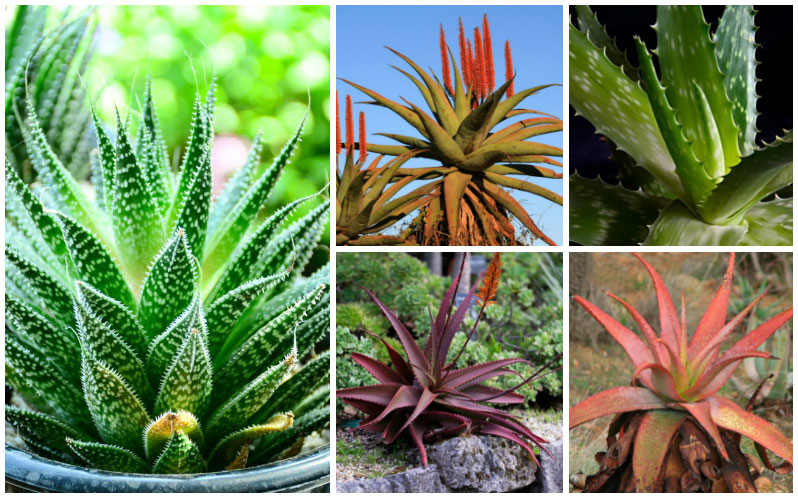
- Thick, fleshy pale green leaves with soft white teeth on edges? That’s classic Aloe vera.
- Narrower leaves forming a bushy rosette with thinner texture? Probably Aloe arborescens.
- Tall spiny leaves tipped with red? Definitely Aloe ferox.
This isn’t just plant nerd trivia—it directly affects how safe and effective your use will be.
My biggest lesson after years of trial and error
Don’t treat aloe like one-size-fits-all magic goo. Each species demands respect for its unique chemistry and uses—and ignoring that can backfire badly (trust me).
If I could give my past self one tip before slicing open any leaf again:
Start simple with Aloe vera for topical use; cut mature leaves near their base, rinse thoroughly, avoid scraping off any yellow latex (trust me on this), then apply the gel directly to your skin. For a complete overview of aloe plant care and benefits, this resource helped me understand the nuances.
Only once you’re comfortable should you explore other species—and only then with proper knowledge or professional advice if considering internal use.
A quick pro tip:
When harvesting Aloe vera gel at home, remember: always slice away from yourself (those knife slips hurt), rinse off the green outer layer thoroughly so no latex sticks around, and test on a small patch of skin first to check sensitivity before slathering large areas.
So next time someone tells you “aloe is aloe,” think about my burned arm or upset stomach stories—green leaves do not bring equal relief or benefits.
Choose your aloe plant with purpose; treat each species like its own medicine cabinet drawer.
That way, you won’t just have an aloe plant—you’ll have the right aloe plant exactly when you need it.
Quick Takeaways:
- Aloe vera: Best for burns/cuts/skin care; safe & easy with proper prep
- Aloe arborescens: Powerful immune & wound aid; needs careful dosing
- Aloe ferox: Strong laxative; only take standardized supplements
- Avoid raw ingestion without prep—latex can cause cramps & diarrhea
- Don’t swap species blindly—they work differently & sometimes dangerously
- Grow Aloe vera indoors easily; others prefer outdoors/full sun
- Keep pets away—they often find aloes toxic
Got questions about growing or using your specific aloe? Drop me a line—I’ve been through the wringer so you don’t have to!
At the end of the day, those prickly green friends pack serious power—but only when treated right. So respect their quirks—and they’ll return plenty of healing goodness in kind.


