Discover Alligator Plant Varieties and Their Unique Traits
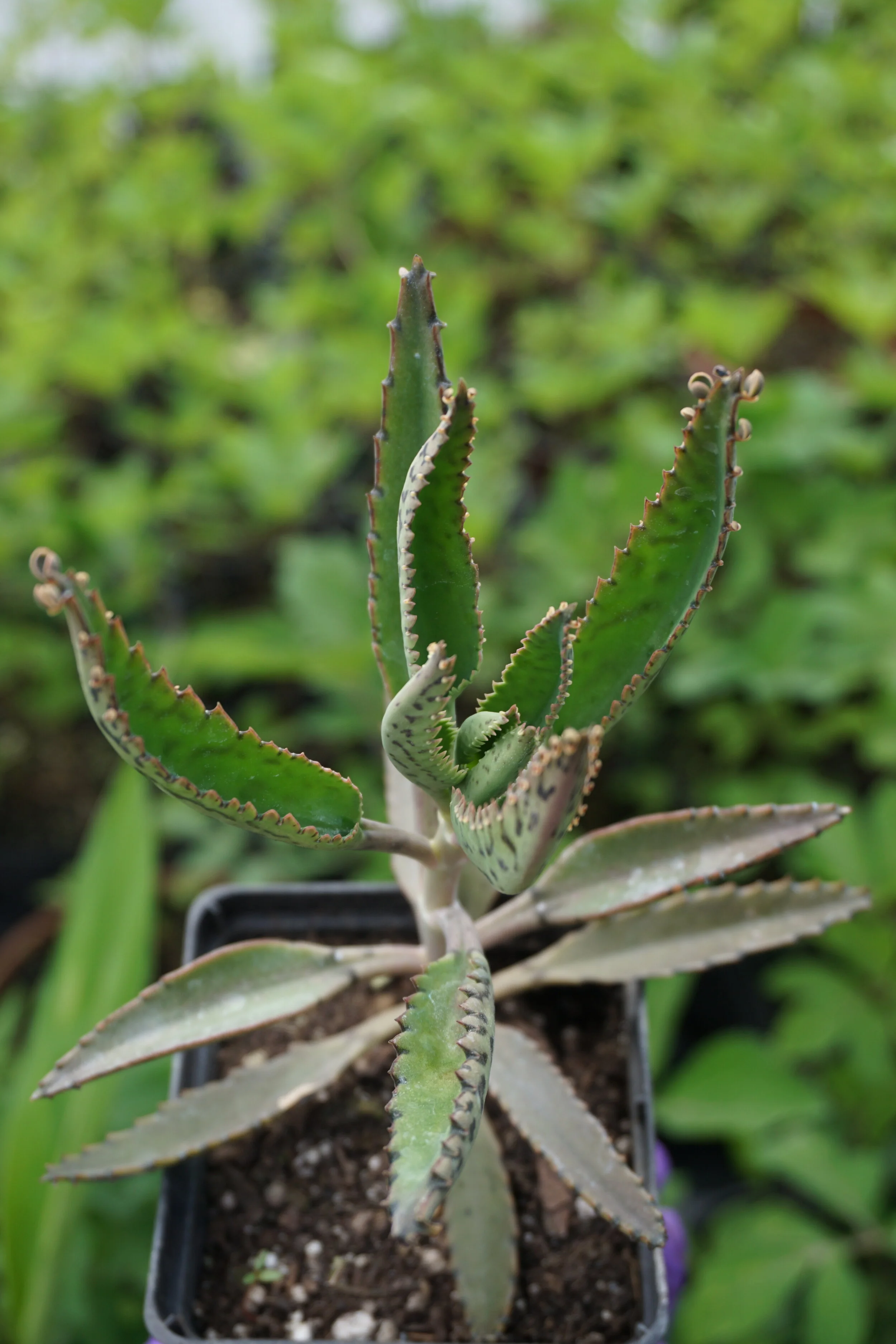
When I first brought home my very first alligator plant, I thought, “How hard can it be?” I picked an Alocasia that looked like a jungle gem in the nursery photo—deep green, dramatic veins, the whole nine yards. But within weeks, its leaves started curling at the edges and yellowing. I was watering faithfully and giving it bright indirect light—or so I thought. After multiple rounds of frustration (and a near-plant funeral—I really considered tossing it), I learned the hard truth: not all alligator plants are created equal. For a comprehensive guide to alligator plant care, understanding these differences is key.
Here’s what experience hammered home for me: each alligator plant variety lives by its own rulebook. Their differences aren’t just cosmetic—they dictate how much light they crave, their humidity tolerance, and even how much space they need to thrive. Once I keyed into this, everything changed—from constant worry to real enjoyment watching these plants glow. For tips on integrating these unique plants into your living space, check out using alligator plants in indoor and outdoor landscaping.
The Alligator Plant Varieties I’ve Lived With (and Learned From)
1. Alocasia Polly — The Reliable Roommate
Polly was my gateway into this world because it promised to be a “compact beauty.” And it really is! It tops out around 1.5 feet tall—perfect for shelves or coffee tables without taking over your living room. Its dark green leaves with crisp white veins look like someone painted them by hand.
What worked for me? Polly tolerated my northeast-facing bedroom’s moderate light surprisingly well. But here’s the catch: when humidity dropped below about 50%, those leaf edges browned fast. Winter heating season was brutal for her. My fix? A $20 ultrasonic humidifier running on low right beside her. That little gadget saved her life and taught me just how picky Polly is about moist air—even though she looks tough.
Takeaway: Don’t assume “hardy” means low-maintenance. Polly wants humidity above half—and if you ignore that, she’ll sulk quietly.
2. Alocasia Amazonica — The Showstopper That Needs Attention
Next up was Amazonica—the flashy one with broad leaves and that plastic-like shine screaming tropical luxury. I put mine in a south-facing window in the living room where the sun pours in.
People say Amazonica is easy if you keep watering consistent and give indirect light—but here’s what tripped me up: neglecting humidity. Just watering wasn’t enough; after two months of ignoring dry air, leaf tips got crispy and those signature veins dulled.
What turned it around? Not just adding a humidifier (again), but changing its soil to an aroid-specific mix: 60% orchid bark, 20% perlite, 20% peat moss. This mix breathes better and keeps roots from drowning—a game-changer for this diva. Plus, switching from guessing soil moisture to using a moisture meter helped me avoid overwatering disasters.
Why care? Amazonica grows bigger than Polly and demands better care—but get it right, and those glossy leaves become your living art piece.
3. Alocasia Frydek — The Diva That Demands Her Spotlight
Frydek was my holy grail: velvety deep green leaves with lightning-bright white veins—not your average houseplant wow factor! So naturally, I put one by my kitchen window to catch morning sun.
Big mistake.
Within three weeks: curling brown tips everywhere; stressed-out vibes all around.
I blamed watering at first but realized Frydek is way more sensitive to dry air than any of my other Alocasias. Morning kitchen steam wasn’t cutting it—it was too inconsistent.
What finally saved Frydek was relocating her to my bathroom corner where indirect light spills through a frosted window, and morning showers provide steady humidity above 60%. Suddenly she flourished—the leaves grew larger than ever and kept that silky velvet feel under perfect lighting conditions.

Counterintuitive but true: Frydek needs brighter light than Polly or Amazonica and constant high humidity—miss either one, and she throws a fit no matter how well you water her.
4. Alocasia Cucullata — The Tall Gentle Giant
Cucullata was a surprise addition to my collection—it can reach up to 4 feet indoors with large heart-shaped leaves softer than many others. Not as flashy as Frydek but impressive for height and structure alone.
I placed mine near east-facing windows where it gets bright indirect light most mornings. Unlike Frydek or Amazonica, Cucullata handled drier air better—probably thanks to thinner leaves that lose moisture slower—but still wanted frequent watering during growing seasons.
A key thing about Cucullata: it needs space! If you’re in a small apartment, beware—it’s not shy about stretching upward and might scrape your ceiling if left unchecked.
What Most Guides Miss—and What Took Me Months to Figure Out
Most care guides group alligator plants under one neat umbrella: bright indirect light, high humidity, water when soil dries out… sounds simple enough until you see one thriving next to another looking pitiful.
Here’s the secret:
- Light:
- Frydek demands very bright indirect light (think filtered sunlight through sheer curtains).
- Polly tolerates moderate light (your northeast window is fine).
- Cucullata likes consistent brightness but is more forgiving on intensity.
- Humidity:
Anything below 50% risks browning leaf edges for most varieties; Frydek thrives above 60%. Without supplemental humidity—humidifiers or pebble trays—you’ll see stress signs fast. - Size & Space:
If you live cozy-style (hello tiny apartments!), skip Cucullata unless you want an indoor jungle gym. - Soil & Water:
Generic potting soil can suffocate roots leading to rot—switching to an aroid-specific mix keeps roots breathing happily and cuts down yellowing leaves caused by soggy soil.
For a complete overview of alligator plant care, these nuances are essential to keep in mind.
How My Real-World Care Routine Finally Made Alligator Plants Work
Here’s exactly what I do every week now (because guesswork burned me before):
- Use a free “Light Meter” app on my phone to check actual brightness—subjective “bright” varies wildly.
- Keep a cheap digital hygrometer nearby so I know when humidity dips below comfort levels.
- Water only when top inch of soil feels dry; verify with a $15 soil moisture meter (seriously saves guessing).
- Mist lightly every other day if humidity dips under 50%.
- Run an ultrasonic humidifier for at least six hours daily during dry winter months.
- Fertilize monthly during growing season with diluted balanced fertilizer.
- Rotate plants weekly so they grow evenly instead of leaning toward the sun like desperate gym rats.
This routine transformed my once-struggling collection into vibrant greenery that draws compliments from friends who can’t believe how healthy everything looks indoors now.
A Quick Troubleshooting Cheat Sheet
If you’re just starting out or nursing sick-looking leaves:
- Brown leaf edges? Check humidity first—dry air is usually culprit #1. For more on this, see common pests and diseases affecting alligator plants.
- Curling or drooping leaves? Light might be too intense or too low; adjust location accordingly.
- Yellowing lower leaves? Could be overwatering or poor drainage—switch soil mix if needed.
- Slow growth? Try feeding monthly during spring/summer with diluted fertilizer.
- Leaves losing their signature veins’ brightness? Time to boost both humidity and check soil moisture carefully—dry roots dull leaf color fast!
Final Advice From Someone Who's Been There
If I were chatting with a friend about starting their own alligator plant journey:
“Know your variety before bringing one home—that alone will save loads of frustration.”
Don’t just pick an alligator plant because it looks cool on Instagram:
- Honestly assess your home’s lighting situation (north-facing rooms won’t love Frydek).
- Get simple tools—a hygrometer and moisture meter—to take guesswork out of care.
- Invest in a humidifier instead of relying solely on misting (it actually works!).
- Use proper soil mixes designed for aroids—not any random potting soil.
- Be patient—the plants will tell you what they need through subtle signs once you learn their language.
Get these basics right, and suddenly your alligator plants don’t just survive—they thrive as living art pieces that transform your space with exotic flair.
If you’re eyeing your next alligator plant purchase or struggling with finicky ones—remember this took me months (and many browning leaves!) to figure out—but now every new leaf feels like victory proof it’s worth sticking with these tropical wonders.
Your perfect alligator plant is waiting; match it well to your home’s quirks and watch the magic happen!


