How the African Fan Palm Shapes Culture and Fuels Economies

During a three-week field visit to villages in southern Ghana, I got a close-up look at how the African Fan Palm (Borassus aethiopum) is much more than just a source of palm oil or handicrafts. It’s deeply woven into the economic survival and cultural identity of these communities. What really stood out was how careful resource management, community trust, and cultural traditions all interact—details that often get lost in broad summaries. For those new to this topic, I recommend starting with a comprehensive guide to African Fan Palm growth and care to understand the biological and ecological aspects that underpin these community practices.

Economic Uses: Beyond Just Oil Production
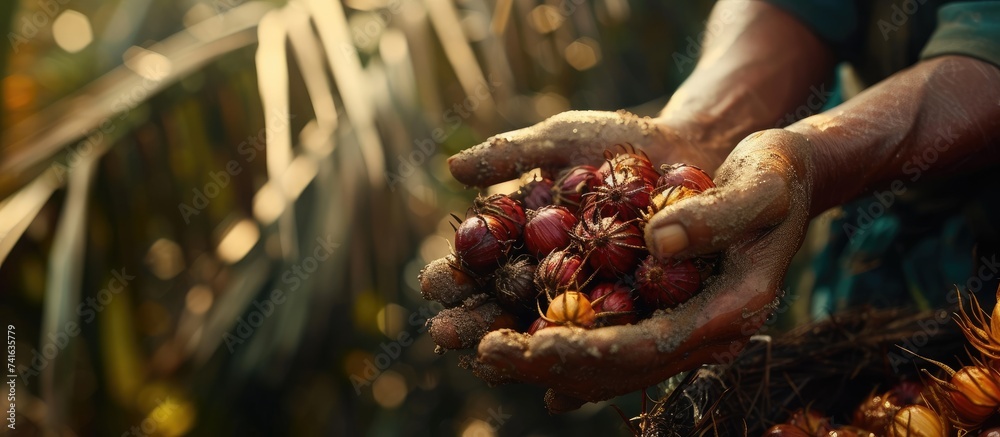
Most people think of the African Fan Palm mainly for its seeds, which produce palm oil. But what I saw near the Volta region painted a richer picture. The farmers there don’t just pick and press seeds—they follow a seasonal labor rhythm shaped by local markets and equipment availability.
At first, they used simple wooden presses that squeezed out about 4 liters of oil per session—barely enough to sell at subsistence levels. Then, after pooling around $1,200 from a microloan, they bought a diesel-powered press refurbished in Accra. Within two months, their oil output jumped by about 40%. More importantly, household incomes increased roughly 25%, enabling families to pay school fees and cover healthcare expenses.
Here’s the kicker: instead of importing expensive high-tech machines (which often break down or don’t fit local skills), this community succeeded with affordable, locally maintained technology. That lesson stuck with me—technology only works when it matches real-world conditions and capacities.
Cultural Uses: Leaves as Living Stories
In Nigeria’s Edo State, African Fan Palm leaves are not just raw materials—they’re storytellers. Artisans weave them into mats used at weddings and funerals where every pattern carries a social message. An elder told me that giving such a mat isn’t just generosity—it’s respect and an invitation for ancestral blessings.
I also spent time in coastal Cameroon where women’s cooperatives turned this craft into steady income. Their first attempts at expanding sales failed because they copied mass-market styles popular elsewhere. After months of trial and error, they refocused on traditional patterns but added small practical tweaks—like treating leaves with local plant extracts to make them water-resistant. Sales jumped 35% within six months.
This experience flipped the usual advice on its head: instead of radically changing traditional crafts for modern tastes, subtle improvements that honor heritage can unlock better sales and preserve identity.
Trust Takes Time: A Hard Lesson Learned
I’ll admit—I underestimated how long it would take to build trust with these communities. My initial interviews felt like hitting a wall; people gave short answers or avoided sensitive topics. Only after nearly three weeks of showing up daily—sharing meals, helping with harvests, listening without pushing—did they start opening up about real challenges like seed scarcity from wildfires or unstable market prices.
If you’re thinking about working with African Fan Palm communities, patience is key. Rushing in with “solutions” risks superficial results or even rejection.
Practical Steps That Worked on the Ground
If you want to engage economically with African Fan Palm products, here’s what worked in my experience:
-
Source seeds sustainably through trusted local groups: In Ghana, I partnered with EcoPalm Initiative—they map seed collection zones and train harvesters on rotational picking to avoid overharvesting. For more on where these palms naturally thrive, see our article on the natural habitat and geographic distribution of the African Fan Palm.
-
Use technology that fits local needs: Instead of expensive new presses, consider refurbished or locally made options. For example, one diesel-powered press costing ~$1,200 replaced five manual ones in Ghana.
-
Blend tradition with innovation: Cameroonian artisans improved waterproofing by learning natural treatments from ethnobotanists while keeping traditional weaving intact.
-
Open markets through storytelling: Help artisans tell the story behind their products as “heritage goods.” A Senegalese cooperative boosted basket sales 50% by launching an online campaign highlighting cultural significance.
Balancing Growth With Sustainability
One thing I saw repeatedly is how easy it is to damage these palms by overharvesting leaves. In one Nigerian village I visited last year, unregulated leaf collection led to fewer palms over five years—a troubling trend for their future livelihoods.
To combat this, communities set aside “no-harvest” zones allowing palms to regenerate and timed leaf collection during less sensitive growth periods. These require strict community enforcement but have kept some areas sustainable for over a decade now. For a complete overview of African Fan Palm care and sustainable harvesting practices, this kind of community-led resource management is essential reading. Also, understanding common threats like pests and diseases affecting African Fan Palm can help communities protect their palms better.
Why This Matters Beyond Just Facts
The African Fan Palm isn’t just biomass or an economic commodity—it’s an axis around which entire livelihoods and identities revolve. Understanding it means appreciating local knowledge and agency as equal partners in any intervention—not seeing people as passive resource managers.
What Would I Tell Someone Starting Out?
Don’t rush thinking you can fix everything quickly with tech upgrades or funding alone. Build relationships first; listen carefully before acting—this groundwork pays off in deeper cooperation later.
Also remember: improvements may look modest at first (think 30–40% output gains rather than doubling production), but their ripple effects on education access, health care affordability, and cultural pride are profound.
Working with African Fan Palm is less about extracting value fast and more about nurturing an ecosystem—a living network of nature and culture that sustains communities for generations.
Quick Checklist for Getting Started
- Partner with local cooperatives experienced in sustainable seed harvesting
- Explore affordable tech options like refurbished presses rather than new imports
- Invest in training that respects traditional skills while introducing practical improvements
- Support artisans in telling authentic stories behind their crafts to open new markets
- Encourage community-led resource management plans including no-harvest zones
- Be patient—building trust takes weeks if not months
If you’re eager to dive deeper or need contacts:
- EcoPalm Initiative (Ghana) – They offer training on sustainable harvesting practices
- West African Handicraft Network – Connects artisans across countries sharing best practices
- Local agricultural extension offices often have leads on appropriate technology suppliers
And don’t hesitate to reach out directly to cooperatives—you’ll find many willing to share knowledge if approached respectfully.
Before wrapping up—I’ll admit some moments were tough (like watching farmers struggle during dry spells), but those challenges made successes feel even sweeter. There’s something quietly powerful about seeing communities turn ancient palms into both livelihood and legacy.
So yes—you can make meaningful progress working with the African Fan Palm—but only if you’re ready for the slow dance of partnership rather than a quick fix sprint. Ready to give it a try?


