Environmental Impact and Sustainability of Alfalfa Farming Explained

When I first started digging into alfalfa farming’s environmental footprint, I thought I had it all figured out. Water use was the obvious villain, right? And since alfalfa fixes its own nitrogen, surely it’s a soil-friendly champ? Turns out, I was walking into a minefield of oversimplifications — mistakes almost nobody admits to making. For a more detailed understanding, check out this comprehensive guide to alfalfa plant growth and care.
The Water Mirage: Why Saying “Alfalfa Wastes Water” Is Half the Story
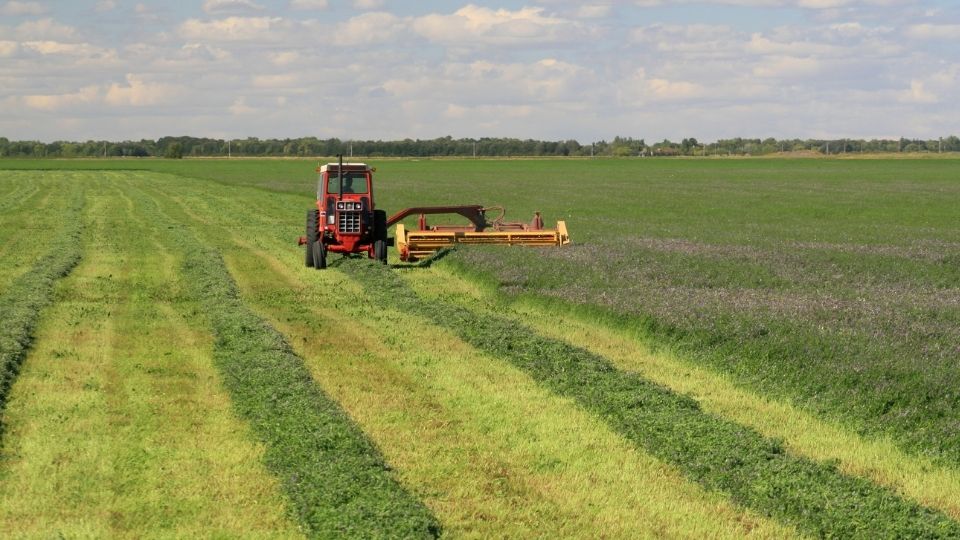
The first time I visited a big alfalfa farm in California’s Central Valley, I was struck by how blue those irrigation canals looked under the scorching sun. The farmer told me they were using about 4.5 acre-feet of water per acre annually — nearly twice what nearby wheat fields needed. My gut reaction: “There it is, alfalfa’s a water hog.”
But then he showed me their drip irrigation system they’d installed over three years. Instead of flooding fields, water now trickled directly at the roots in tiny drips. This cut water use by roughly 30%, and yields stayed steady. That moment flipped my thinking: water use isn’t just about what you grow but how you water it.
Before that visit, I lumped all alfalfa farms into one category — assuming flood irrigation was the only option and that meant waste. But efficient irrigation tech like drip lines or laser-leveled fields can make a huge difference. So if you’re still thinking “alfalfa = waste,” you’re only seeing half the picture.
What can you do?
- If your farm uses flood irrigation, look into simple upgrades like laser leveling—it can reduce water loss by 10-15% without expensive equipment.
- Drip irrigation retrofits aren’t cheap but are worth exploring; some farms cut water use by up to a third without hurting yields.
- Contact your local extension service—they often offer guidance or cost-share programs for irrigation improvements.
Assuming Nitrogen Fixation Solves Everything — A Silent Soil Killer
Here’s another trap I fell into: thinking that because alfalfa is a legume and fixes nitrogen from the air, soil health basically takes care of itself. Early on, I saw nitrogen numbers looking great on paper and breathed easy.
Then I saw soil tests from a Midwest farm growing continuous alfalfa for five years with zero rotation or organic inputs. Phosphorus dropped by 20-25%, potassium tanked too, and yields started slipping despite plenty of nitrogen.
Nobody talks about this upfront: nitrogen fixation only covers one nutrient—nitrogen. Alfalfa’s deep roots pull calcium, sulfur, phosphorus, and potassium from soil layers that don’t get naturally replenished unless you rotate crops or add organic matter regularly. This nutrient mining quietly degrades soil over time.
I remember thinking: “If nitrogen fixation is so great, why is my soil declining?” That question pushed me to realize sustainability means managing all nutrients—not just N.
What does this mean for you?
- Don’t skip regular soil testing beyond just NPK; phosphorus and potassium often get overlooked but are critical for long-term productivity.
- Plan crop rotations or apply organic amendments to replenish these nutrients (more on this below).
- Talk to agronomists or your extension office about balanced fertility plans tailored to your region. For more on the importance of maintaining soil health and nutrient balance, see nutritional benefits of alfalfa for humans and livestock.
The Black-and-White Trap: Sustainable or Not?
For months, I hunted studies trying to slap an “environmentally sustainable” or “unsustainable” label on alfalfa farming. Felt like forcing round pegs into square holes.
Some farms with rotations and organic inputs thrived; monoculture farms struggled—but there were always exceptions.
What finally clicked: sustainability isn’t an on/off switch for alfalfa; it’s about balance and context.
Take a mid-sized Idaho farm I worked with: they’d been using sprinkler irrigation and continuous alfalfa cropping for years. Yields plateaued; pests became more frequent. They switched gradually to drip irrigation over three years and introduced crop rotations—three years of alfalfa followed by barley and peas with composted manure after every cycle.
Five years later? Soil organic carbon climbed 10%, pest outbreaks dropped without pesticides, and yields held firm even in dry seasons.
No magic bullet—just careful integration of better irrigation with ecological know-how that many overlook because it doesn’t make flashy headlines.
So what’s the takeaway?
- Don’t expect quick fixes—sustainability is a slow build involving multiple small changes working together over time.
- Look at your whole system: irrigation method, crop rotation schedule, soil amendments—not just one factor alone.
What Nobody Tells You About Crop Rotations
I used to think crop rotation was only about pest control or giving soil a rest. On that Idaho farm, what struck me was how rotation helped replenish nutrients beyond nitrogen—something most guides barely mention.
Instead of waiting for pests then spraying chemicals, rotating alfalfa with grains like barley interrupts pest life cycles naturally while rebuilding phosphorus and potassium stocks through different root structures and added organic matter. For a complete overview of alfalfa’s growth and nutrient needs, see this complete overview of the alfalfa plant.

Here’s the tough part though—crop rotation means fewer alfalfa harvests some years, which hits short-term income hard. Farmers rarely talk openly about this trade-off outside trusted circles—and that keeps many stuck in continuous cropping despite knowing better.
How can you start?
- Even a simple two-year rotation (alfalfa one year, barley/peas the next) can help break pest cycles and improve soil health over time.
- Plan financially for temporary dips in income; consider off-season cover crops or alternative income sources during non-alfalfa years if possible.
- Reach out to local farmer networks who’ve tried rotations—they often have practical tips on balancing economics with ecology. For more on managing pests in alfalfa, check out common pests and diseases affecting alfalfa and how to manage them.
When Organic Inputs Aren’t Optional — But Are Often Ignored
One painful lesson came when I saw a pilot field relying solely on synthetic fertilizers for five years develop compaction issues and falling soil structure—even though nutrient levels looked fine on paper.
The missing piece? Organic matter—compost or manure—which maintains healthy soil microbes and physical properties like porosity and infiltration.
Farmers often assume synthetic fertilizers are enough because they boost immediate nutrient availability fast—but long-term degradation creeps in silently until yields suffer or irrigation efficiency tanks due to poor infiltration.
If you’re skipping organics because they feel complicated or costly—you’re not alone! But adding compost even once every couple of years can pay off big time down the line by keeping soils alive and resilient.
Real Talk: What You Can Change Right Now
I know farmers face tight budgets and endless challenges—that’s why small steps matter:
-
Don’t assume your water use can’t be improved: Start with basic upgrades like laser-leveling fields or fixing leaks in your irrigation system—these often cost little but save lots of water.
-
Rotate crops thoughtfully: Even if cash flow tightens temporarily, rotating with barley or peas interrupts pests naturally and replenishes nutrients.
-
Test soil beyond NPK: Check phosphorus, potassium, calcium regularly (at least once every 2–3 years). Local extension services often offer affordable testing kits.
-
Add organics whenever possible: Compost isn’t just fertilizer—it rebuilds soil structure and microbiomes essential for healthy crops.
-
Keep detailed records: Track your yields, water use, fertilizer inputs—even small data sets help spot problems early instead of scrambling during crises.
If all this sounds overwhelming (been there!), start with one thing—maybe soil testing or talking to your local extension agent—and build from there slowly over seasons.
The Single Most Important Truth About Alfalfa Sustainability
After visiting farms across wildly different climates—from Arizona deserts to Minnesota plains—I realized this:
Sustainability isn’t about eliminating all negative impacts; it’s about managing trade-offs wisely without pretending problems don’t exist.
If someone asked me what advice I’d give starting today? It’d be this:
Don’t chase absolutes. Instead of asking “Is alfalfa bad for the environment?” ask yourself “How can I tweak management here to optimize water use and nutrient balance?” Because every farm faces unique constraints—and admitting where you’re struggling is step one toward real progress.
Alfalfa farming is messy, nuanced, sometimes frustrating—but also full of opportunity if you’re willing to look past headlines and experiment patiently across several seasons.
Having stumbled through those mistakes myself (and still learning), believe me—the insights you gain are worth every trial-and-error moment along the way.
Quick-start checklist:
- Assess your irrigation: Can you fix leaks? Level fields? Consider drip systems?
- Get a thorough soil test: Know your phosphorus & potassium status as well as nitrogen!
- Plan crop rotations: Start small if needed—try alternating alfalfa with barley/peas every few years.
- Add organic matter: Compost or manure applications at least once every 2–3 years help keep soils alive.
- Track everything: Record inputs/outputs yearly so you catch trends early before problems snowball.
If you want help finding resources near you—for example extension offices offering free/low-cost soil tests or irrigation workshops—I’m happy to point you in the right direction! Just reach out anytime.
Keep experimenting patiently—it pays off more than any quick fix ever will!


