How Aluminum Plants Turn Environmental Impact Into Green Wins
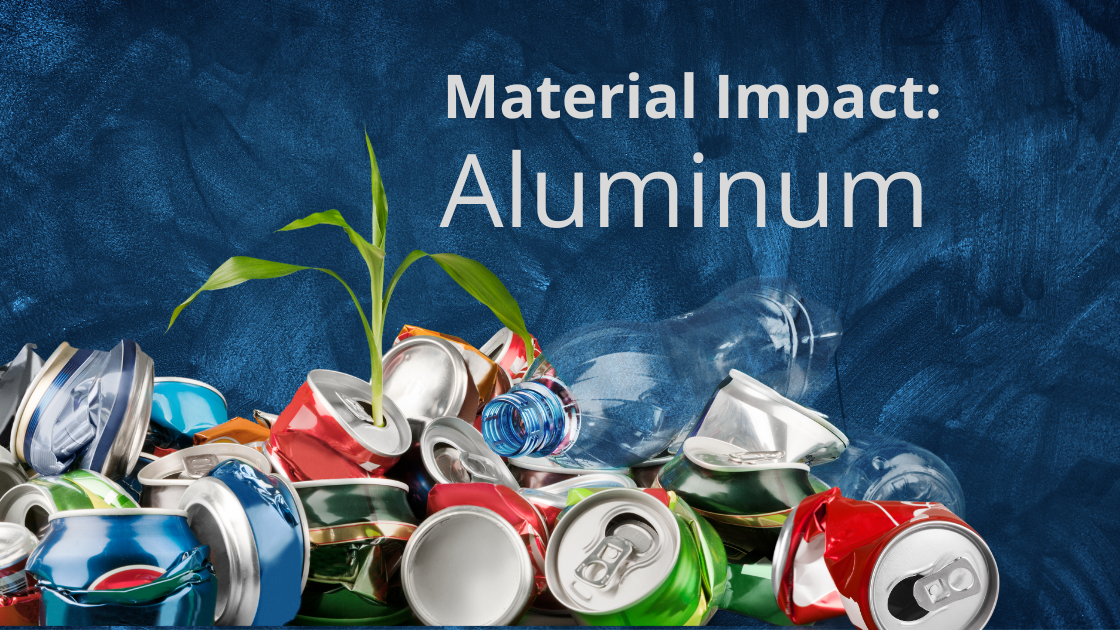
Walking into an aluminum plant, I expected the usual industrial chaos: thick smoke stacks, nonstop noise, and a landscape marked by pollution. Instead, I found something quieter and cleaner than I’d imagined—machines humming smoothly, air surprisingly fresh. That moment challenged everything I thought I knew. Aluminum production isn’t simply an environmental villain anymore; it’s a complex arena where old pollution problems clash with new sustainability efforts. But here’s the catch: the common advice to “just recycle more” or “switch to renewables” only scratches the surface. The real story is far messier—and more interesting. For a comprehensive guide to aluminum plant operations and efficiency, this article will provide valuable context.

Why Aluminum’s Environmental Impact Is More Complicated Than You Think
Aluminum’s reputation as a recyclable metal is well-deserved—but only if you’re talking about secondary aluminum made from scrap. The bigger challenge lies in primary production, where raw bauxite ore transforms into pure aluminum. This process emits over 12 tons of CO2 equivalent per ton of aluminum produced. That figure isn’t just a number—it haunted me during a consulting project advising manufacturers on sustainability strategy.
What most people don’t realize is much of this carbon comes not from electricity use but from the chemical reactions themselves. The Hall-Héroult smelting process burns carbon anodes in electrolysis, releasing CO2 as a byproduct. So even if you powered the plant with 100% renewable electricity, these “process emissions” would remain unless the technology itself changes. For a deeper dive into the steps involved, see how aluminum is extracted and processed in plants.
Common Fixes Aren’t One-Size-Fits-All (And Sometimes Misleading)
You’ve heard that recycling scrap aluminum uses just 5% of the energy compared to primary production—and that’s true! But many plants still rely heavily on virgin bauxite because scrap quality varies and supply chains can be unreliable. For example, during a visit to a German recycling-focused plant, they proudly reached 85% scrap input—but admitted that globally such levels are rare due to inconsistent scrap availability.
Switching to renewables sounds straightforward—but it rarely is. Many plants sit near coal-heavy grids or remote mining sites where upgrading infrastructure takes years or costs too much upfront. Iceland’s aluminum industry is often held up as a shining example—powered by geothermal and hydropower, their emissions are below 4 tons CO2 per ton aluminum—but this model is an outlier rather than standard.
What Really Moves the Needle: Real-World Lessons
Here’s something rarely highlighted: inert anode technology could drastically cut emissions by eliminating carbon consumption in smelting—but scaling it is tough. Alcoa’s ELYSIS project targets commercialization around 2025 and promises to halve carbon footprints per ton produced. Yet initial trials revealed durability issues that disrupted production schedules—showing how tricky industrial rollouts can be.
That said, smaller steps also count big time. At an Australian plant owned by Rio Tinto where I worked alongside a tiny consulting team, we focused on improving pot relining—a maintenance procedure that reduced hazardous waste significantly—and installed solar farms to offset part of grid electricity demand. These incremental wins didn’t make headlines but cut emissions noticeably without massive capital outlays.
Waste heat recovery is another underused lever. Norsk Hydro’s Norwegian plant captures excess heat from operations to warm nearby homes—improving overall efficiency by roughly 15%. Most plants overlook this option because initial investments seem steep or because operators underestimate how much heat goes unused every day.

Why Big Innovations Take Time
Why aren’t inert anodes or full renewable grids everywhere yet? The answer boils down to economics and complexity:
- Capital intensity: Switching carbon anodes for inert ones means redesigning cells, retraining staff, and investing tens of millions upfront.
- Grid constraints: Coal-dependent regions have rigid grids; green energy contracts can be complex or unavailable.
- Feedstock purity demands: Some high-end sectors require ultra-pure aluminum grades hard to guarantee with recycled scrap alone.
- Technical growing pains: Inert anode materials degrade faster than expected under industrial conditions, causing downtime.
Plant managers have told me bluntly: “We’d rather optimize what we have now than wait years chasing tech that might disrupt operations.” That pragmatic mindset often wins out over idealism. For more on maintaining worker safety during such transitions, see safety protocols and worker health in aluminum plants.
When Sustainability Meets Profitability: Seeing Through the Numbers
The common narrative paints sustainability as costly sacrifice—but companies like Novelis in the U.S. prove otherwise. By sourcing nearly 80% recycled aluminum and pairing that with solar power purchases, they’ve slashed emissions by about 45% since 2010 while accessing premium markets eager for green aluminum.
This isn’t charity—it’s smart business positioning. Early adopters gain carbon credits, avoid future penalties, and build loyalty in automotive and aerospace sectors demanding low-carbon materials.
Clear Steps for Someone Starting Sustainability Efforts Today
If you’re looking at making your aluminum plant greener but feel overwhelmed—start small and focused:
- Run detailed energy audits using tools like Siemens’ EnergyIP or Schneider Electric EcoStruxure; these platforms help pinpoint inefficiencies clearly.
- Increase recycled content realistically—even raising it by 10–20% can lower emissions measurably without risking feedstock shortages.
- Negotiate green tariffs with your utility—partial renewable sourcing beats zero at first.
- Pilot waste heat recovery systems on smaller units before scaling up.
- Stay informed on emerging tech like inert anodes but don’t hinge your entire roadmap on uncertain breakthroughs yet.
I once thought only revolutionary changes mattered—but spending six months embedded in operations taught me otherwise: steady incremental improvements add up and keep plants running smoothly without costly disruptions. For a complete overview of aluminum plant efficiency and production methods, this approach aligns well with best practices.
Wrapping It Up
Sustainability in aluminum plants isn’t about magic bullets—it’s a slow grind filled with trade-offs, setbacks, and small wins stacked over time. The plants that succeed blend innovation with pragmatism—balancing environmental ambition against economic realities.
Want tailored advice or case studies from specific regions? Reach out—I’ve gathered detailed data across continents through boots-on-the-ground projects.
In this industry, waiting for perfect green miracles won’t get us there faster; making every watt count today while preparing smartly for tomorrow’s breakthroughs will.
If there’s one thing I’ve learned firsthand: being patient but proactive beats holding out for perfection every time—even when progress feels frustratingly slow.


