How to Grow and Care for Abelia Plants with Ease and Success

I’ve spent years wrestling with Abelia plants that just wouldn’t behave—some barely grew, others looked sickly or flowered so sparsely it was frustrating. What I’ve learned is that growing Abelia isn’t about ticking off generic care boxes. It’s about paying close attention to how things like soil texture, watering patterns, and pruning timing interact in your garden’s particular conditions. For a more detailed look at these basics, check out this comprehensive guide to Abelia plant growth and care. Here’s the real deal, from my trial-and-error lab.
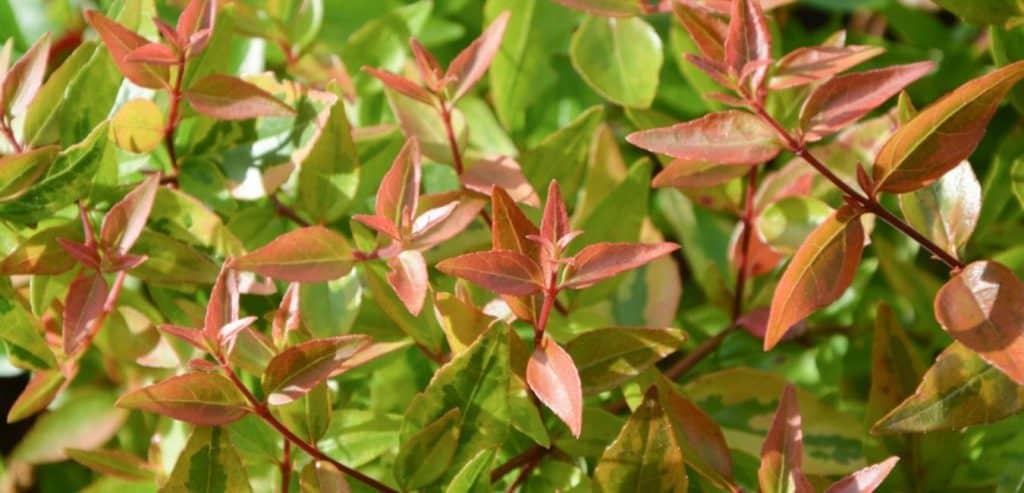
Why your Abelia might be struggling (and how to fix it)
Early on, I thought “full sun all day” was best for Abelia. Nope. I planted them in blazing afternoon sun and watched them wilt or drop leaves. The truth is, Abelia wants 4–6 hours of morning or filtered sunlight, not harsh afternoon rays—especially in hot climates where the afternoon sun can scorch those tender new leaves.
One time, after noticing a weak plant under west-facing sun, I moved it to an east-facing spot with dappled shade. Within six weeks? It perked up dramatically—more growth, healthier leaves, and better blooms.
Now about soil: I once stuck Abelias straight into heavy clay without fixing the soil first. Root rot showed up fast, and flowers were few and far between. Mixing in coarse sand and aged compost—roughly two parts native soil to one part amendment—made all the difference. This simple change turned struggling shrubs into bloom machines the next season. For a complete overview of Abelia plant care, including soil preparation tips, this resource is invaluable.
Watering: Finding the sweet spot
Watering gave me headaches at first too. My rookie mistake: daily watering during summer heat thinking more water = happier plants. Instead? Yellow leaves and limp branches within 10 days—a classic sign of overwatering suffocating roots.
What worked better was deep watering every 4-5 days during that first growing season, then adjusting depending on rain and soil moisture. The trick: check the top 2 inches of soil before watering; if it’s still moist, hold off. This lets roots dig deeper instead of staying shallow and vulnerable.
Honestly, this took patience—getting used to waiting even when the heat made me nervous—but it paid off.
Pruning: Don’t overdo it
I used to go hard with winter pruning thinking “cut deep now for tidy shape later.” Wrong move. Abelias bloom on current season’s wood, so cutting back too much in winter means fewer flowers next year.
Switching to light pruning right after flowering ends (late August to early September for me) was a game changer. Just remove dead or weak stems but keep most growth intact. This encourages strong flowering next season without stressing the shrub. For tips on timing and techniques, see pruning and shaping your Abelia for best growth.
Trust me—it feels weird at first not hacking back heavily, but your plants will thank you with more blooms rather than fewer.
Fertilizing: Less is more
You might think feeding often helps growth—that’s what I thought too! A friend tried monthly high-nitrogen fertilizer and ended up with thick leafy bushes but hardly any flowers.
Better approach? Apply a balanced fertilizer like 10-10-10 once each spring before new growth starts and leave it at that. Overdoing nitrogen encourages leaf growth at flower expense—or worse—it can stress your plant.
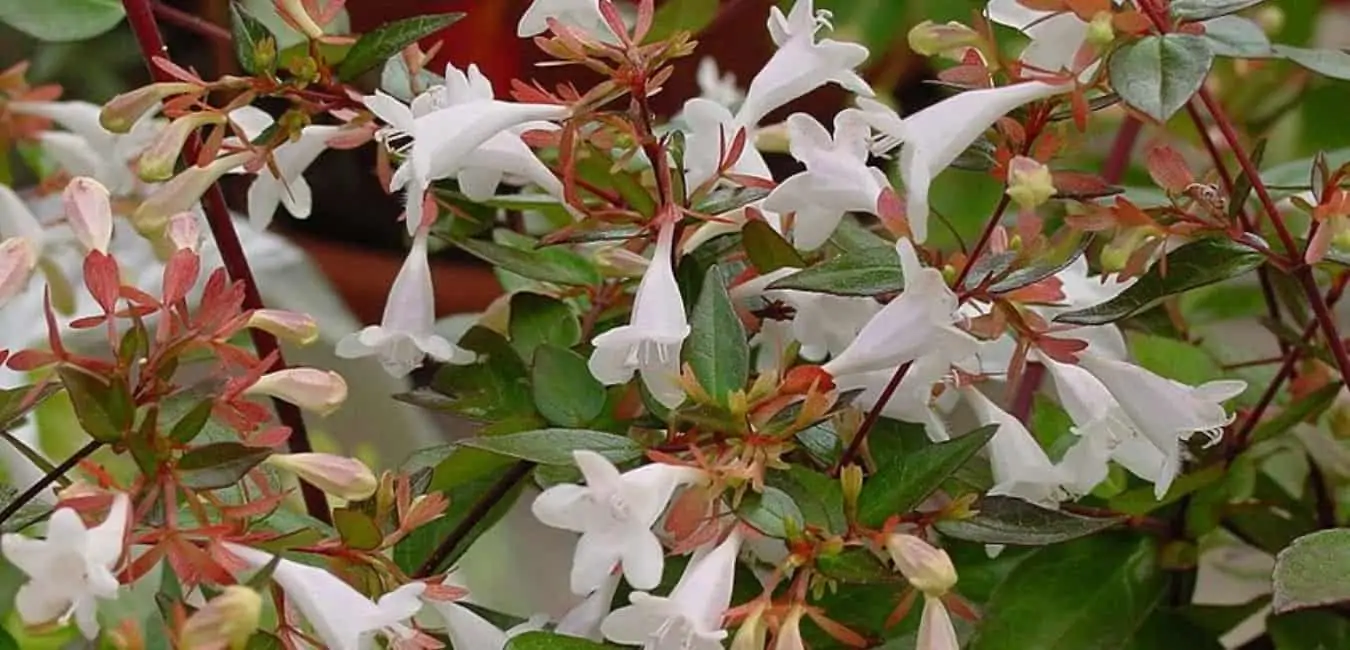
Getting through cold weather
Abelias generally thrive in USDA zones 6–9 but can survive colder spots with some tricks:
- Pick hardy varieties like Abelia x grandiflora ‘Kaleidoscope’ for better cold tolerance.
- Mulch heavily (3–4 inches of wood chips or straw) by late November to insulate roots.
- Plant near south- or west-facing walls that radiate warmth and block harsh winds.
In zone 5 gardens I've helped with, Abelias sometimes die back after frost but bounce back from their roots if well mulched—so don’t give up if your shrub looks rough after winter!
Pest control: Stay alert but stay calm
Abelias are tough but can attract aphids or spider mites during hot dry spells. Watch for sticky residue or tiny moving specks on leaf undersides.
I made the mistake of ignoring aphids until half my shrub was infested within two weeks—not fun! Now I check weekly during summer and spray insecticidal soap at first pest sighting. Avoid broad-spectrum pesticides because they kill helpful insects too.
Powdery mildew can also pop up in humid places if air circulation is poor or if you water overhead late in the day—both avoidable problems once you know what to watch for. For more on managing these issues, see common pests and diseases affecting Abelia plants.
Real examples that prove these tips work
-
A community garden planted Abelias directly into unamended clay with erratic watering; after two years, plants were stunted with few blooms. Once they amended soil properly and switched to weekly deep watering for the first season only, bloom counts tripled within a year.
-
A landscaping company pruned Abelias hard every winter; clients complained about poor flowering year after year. Changing to light pruning right after bloom boosted flower density by over 50% in just one season.
-
In my own patch, switching from daily watering young Abelias to every-four-day deep watering during hot months stopped yellowing leaf damage within three weeks—a clear lesson that less can be more sometimes!
Quick troubleshooting checklist
- Yellow leaves? Check drainage by digging down 8 inches after rain; if soil stays wet longer than 24 hours, amend soil and cut back watering.
- Sparse flowers? Look at sunlight exposure and pruning schedule—moving plants to sunnier spots or pruning right after bloom usually helps.
- Leggy growth? Means not enough light; move plants or prune stems hard early spring to encourage bushier shoots.
- Pests? Inspect weekly during warm months; treat early with insecticidal soap or neem oil before infestations explode.
The single most important thing I’ve learned
If you’re new to Abelia care, focus first on establishing healthy roots through proper soil prep and smart watering during those crucial first six months. Everything else—pruning, fertilizing, pest control—depends on getting this foundation right.
Skip this step or rush it, and you’ll end up chasing problems forever instead of enjoying beautiful flowering shrubs.
When your Abelia finally bursts into bloom because you did these basics well—it’s a quiet kind of victory earned through patience and observation rather than guesswork.
How you can start improving your Abelia care today
- After rain, dig down at your planting site to test drainage over 48 hours.
- If needed, mix coarse sand and aged compost into heavy soils before planting (about two parts native soil to one part amendment).
- Set reminders for deep watering every 4–5 days this growing season for new plants.
- Mark late August as your pruning window—right after flowering ends.
- Buy balanced fertilizer (10-10-10) and use only once in early spring.
- Schedule weekly pest checks starting mid-summer — catch bugs early!
By taking these steady steps—even if some feel slow—you’ll build confidence watching your Abelias grow stronger every year.
Growing Abelias isn’t rocket science—but it does take patience tuned by real observation (and a bit of trial-and-error). When you get these details right—and trust me they matter—you’ll turn struggling shrubs into reliable floral gems in your garden too.
Have you noticed which tip sounds like something you could try this week? Sometimes small changes feel tricky but make huge differences down the line—and that’s where gardening gets really rewarding!


