Grow and Care for Abutilon Indoors: Your Vibrant Success Guide
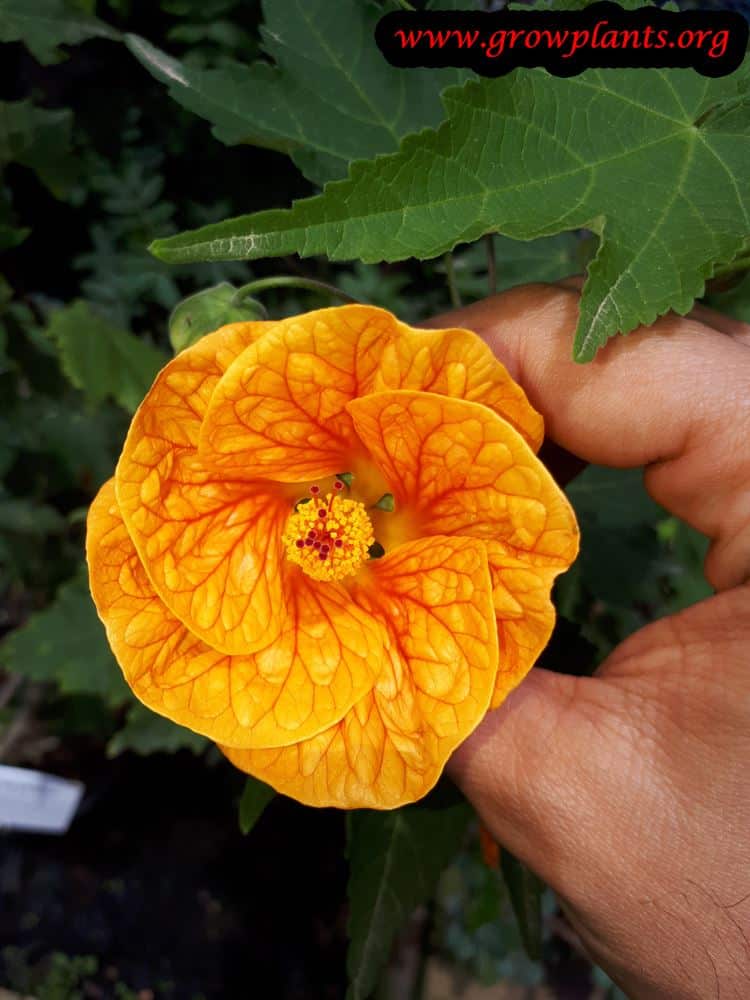
Growing Abutilon indoors is a rewarding challenge that’s more about learning to listen and adapt than following rigid rules. If you’ve ever felt frustrated watching your “flowering maple” droop or refuse to bloom despite your best efforts, you’re not alone—I’ve been there many times. But once you tune into the little signals your plant sends, you start to get a feel for what it really needs. Here’s what I’ve learned from years of trial, error, and quiet victories. For a more detailed understanding, check out this comprehensive guide to Abutilon plant growth.

Why Abutilon Can Be Tricky Indoors (But Totally Worth It)
Abutilon looks easy—bright flowers, maple-like leaves—but indoors it can act like a bit of a drama queen. Early on, I thought, “It thrives outside with hardly any care. How hard can indoor growing be?” Turns out, indoor life is a different story. Your home is missing the filtered light, gentle humidity, and steady warmth this plant loves in its native habitat.
So instead of just watering and hoping for blooms, think of growing Abutilon as building a friendship: you learn its personality by watching closely how it reacts to your care. Is the leaf texture dull? Are stems stretching too long? Are flowers fewer than expected? Each clue helps you adjust care—and that’s where the magic happens. For a complete overview of Abutilon plant care indoors, you can dive deeper into these nuances. For ideas on how to incorporate Abutilon into your living space, see tips on using Abutilon plants in garden design and landscaping.
Light: The Single Most Important Puzzle Piece
“Bright indirect light” is often tossed around like advice you can’t mess up with—but let me tell you, not all light is created equal. I once placed an Abutilon on my north-facing window sill thinking it was fine because “it gets some daylight.” Nope—within weeks it got leggy and weak.
Using a light meter app (I like Lux Light Meter Pro—it’s free and easy), I measured the actual brightness: 90 foot-candles. That’s way too low for flowering indoors! Abutilon needs around 300-500 foot-candles to bloom happily inside.
Moving it closer to an east-facing window with sheer curtains made all the difference. Leaves bounced back to a rich green and flower numbers doubled in about six weeks.
If natural sunlight is limited where you live (like in winter or apartments with small windows), don’t hesitate to get a full-spectrum LED grow light—something like the Spider Farmer SF-1000 for $40-$60 works great for Abutilon. Run it 10-12 hours daily—you’ll see buds pop up faster than you expect.
Watering: Forget Schedules—Watch Your Soil Instead
Watering by the calendar? That was my rookie mistake too. I used to water every 7 days exactly—and my plant’s leaves turned yellow and dropped off.
Here’s the trick: check soil moisture before watering. Stick your finger about an inch deep or get an inexpensive soil moisture meter like the XLUX T10 (~$15). If soil feels moist, wait another day or two even if your timer says “water.”
One stubborn Abutilon refused to perk up until I switched to watering only when the meter read below 30% moisture—that change brought firmer leaves and new growth within two weeks.
Remember: overwatering drowns roots leading to stress signals like yellow leaves or drooping; underwatering makes leaves fall off as the plant tries to protect itself. It really pays off to treat watering as reading your plant’s mood rather than following a strict timetable.
Temperature & Humidity: Create a Cozy Home
Abutilon hates sudden temperature swings and dry air—especially in winter when heaters crank up and humidity drops below 30%. Brown leaf edges started showing on mine despite good watering, which was frustrating.
I found success by placing a humidity tray under the pot (just pebbles plus water) that raised local humidity by 10-15%. For winter months, adding a small ultrasonic humidifier like the Levoit LV600HH (~$70) stabilized leaf health dramatically.
Also, avoid putting your plant near drafty windows or heating vents where temps jump around—it stresses those delicate stomata on leaves that need to stay open for photosynthesis.
Creating this stable microclimate isn’t glamorous but trust me—it makes blooming possible indoors during dry seasons.
Feeding: Slow and Steady Wins
Fertilizer can make or break your Abutilon’s health indoors. Too much and you'll get burnt leaf tips; too little and growth stalls.
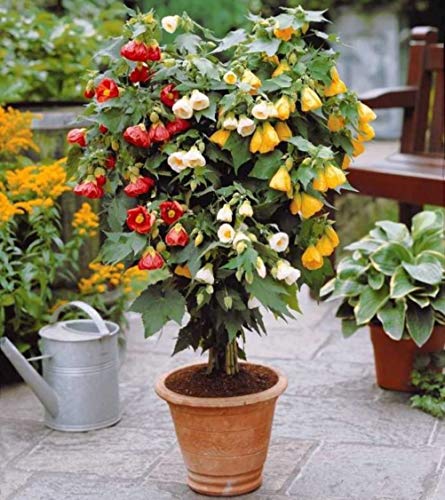
Start feeding monthly in spring through early fall with a balanced liquid fertilizer diluted to half strength (something like Schultz All Purpose Liquid Plant Food 10-15-10). Watch how your plant reacts before increasing doses.
I once overfed mine at full strength and saw weak stems within days—a painful lesson! One friend juggling work feeds her single Abutilon monthly at half strength with no fuss—and her plant flowers consistently all year round indoors.
Remember: patience is key here—plants process nutrients slowly indoors because light intensity is lower than outdoors.
Pruning: Don’t Fear Cutting Back
I used to hesitate pruning because snipping healthy branches feels counterintuitive—we want our plants to stay “whole,” right? But with Abutilon, regular pruning encourages denser growth and more flowers instead of legginess.
My first indoor plant went four months without pruning—big mistake! When I finally cut it back hard (about one-third of stem length), it took almost as long again for new growth to fill out fully.
Now I prune lightly every six weeks: remove spent flowers immediately and trim any overly long stems by about one-third length. This keeps my plants compact and blooming steadily indoors where space and light are limited compared to outdoors. For more detailed advice, see pruning and propagation techniques for healthy Abutilon growth.
Pest Patrol: Stay Ahead of Trouble
Spider mites and aphids love stressed plants in dry indoor air—they sneak up quietly but quickly cause damage if unchecked.
Early signs include tiny speckles on leaves or faint webbing—you might miss them if you don’t look closely!
Get into the habit of flipping over leaves under bright light once a week for inspection—it takes just minutes but saves tons of headaches later.
At first sign of pests, treat promptly with Safer Brand Insecticidal Soap Spray ($8-$12) every 5 days until pests disappear completely. Catching infestations early protects both your nerves and your plant's health long-term. For more on this, check out common pests and diseases affecting Abutilon plants and how to treat them.
Quick Care Checklist for Indoor Abutilon Success
If you want something simple to keep nearby as you care for yours:
- Light: Provide 300-500 foot-candles near east or south-facing windows; supplement with full-spectrum LED grow lights if needed (10-12 hours/day).
- Water: Check soil moisture before watering; water only when below ~30% moisture; avoid fixed schedules.
- Humidity: Keep humidity above 40% if possible; use pebble trays or humidifiers especially in winter; avoid drafts/heating vents.
- Temperature: Maintain consistent temps around 65–75°F (18–24°C); avoid cold drafts or sudden changes.
- Feeding: Fertilize monthly in growing season at half-strength balanced liquid fertilizer (e.g., 10-15-10).
- Pruning: Trim spent flowers immediately; prune leggy stems every 6 weeks cutting back ~1/3 length.
- Pest Checks: Inspect leaves weekly; treat early with insecticidal soap if pests appear.
What I’d Tell You Over Coffee About Growing Indoor Abutilon
Don’t expect perfection overnight—or even year-round flowering right away! This isn’t a quick-fix kind of plant; it takes time and attention to build that connection where you know exactly what it needs before problems arise.
You’re going to have some misses—brown leaves, leggy stems, maybe pest scares—and that’s totally normal. The important thing? Keep observing patiently, adjusting gently, pruning confidently, and celebrating each new bloom like a tiny victory dance (yes, really).
When you stop treating your Abutilon like an appliance that just “should work” on autopilot—and start tuning into its little whispers—you’ll find yourself rewarded with lush foliage and cheerful blossoms that brighten your home…and mood—in ways generic advice never prepared you for.
So take a deep breath—you’ve got this! And remember: every gardener has those moments where they wonder if their plants hate them…until suddenly they don’t anymore.
Happy growing!
If you want me to help with any specific problem next—like pest control recipes or troubleshooting leggy growth—I’m here anytime!


