How to Grow and Care for Acacia Plants at Home Successfully

When I first brought an Acacia home, I thought I had it figured out—after all, I’ve kept plenty of plants alive before. But within two weeks, my “sun-loving desert beauty” looked like it had survived a hurricane: yellow leaves drooping over the pot and roots smelling suspiciously swampy. Turns out, I’d stumbled into every classic trap nobody warns you about. For a more detailed introduction, check out this comprehensive guide to Acacia plant care.
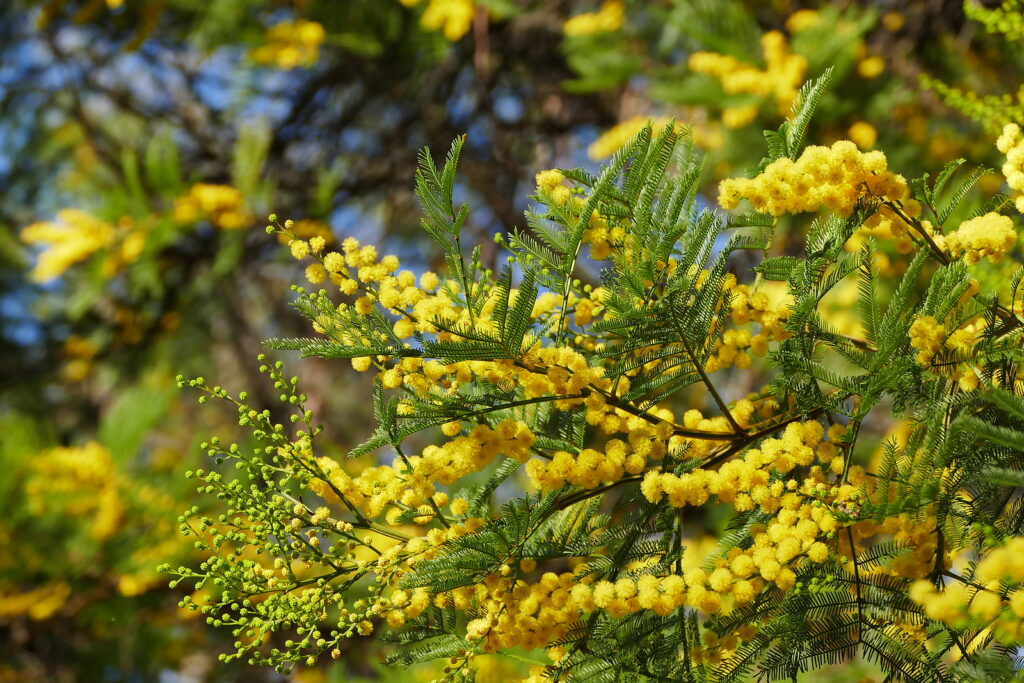
Acacias aren’t your average houseplants. They don’t thrive on neglect, but they also hate being babied too much. Most guides gloss over the subtle signs that decide whether your Acacia flourishes or flops. Let me share what I learned the hard way—so you don’t have to waste weeks guessing.
The Biggest Mistakes Almost Everyone Makes When Growing Acacia at Home
Mistake #1: Overwatering disguised as “care”
Everyone says “water moderately,” but here’s the truth: Acacia roots are super sensitive—they start rotting after just 3 days in soggy soil. My first potting mix was basically mud with no drainage—I watered every 3 days religiously thinking I was being attentive. Result? Silent root rot before any leaf trouble showed up.
What helped: Switch to a gritty, fast-draining soil (more on that soon), and only water when the top 2 inches of soil feel dry. If you’re unsure, stick your finger in—if it feels moist below that depth, hold off watering.
Mistake #2: Settling for “bright indirect light” indoors
I put my Acacia near an east-facing window thinking morning sun would suffice. Nope. These plants want full sun—around 6 hours of direct sunlight daily. Indoors, that usually means a south-facing window (in the northern hemisphere) or a spot outdoors where they can soak up real rays.
Without enough sun, your plant will stretch thin and look leggy—mine took about a month to show this sad sign.
Mistake #3: Using generic potting soil
I naively mixed standard potting soil with compost and called it good. Big mistake. Acacias prefer gritty, well-draining soils—think cactus mix or sandy loam with perlite added for airflow.
My breakthrough came after repotting into this homemade blend: 60% regular potting soil + 40% coarse sand + a handful of perlite for extra drainage. Within two weeks, droopy leaves perked up noticeably. For a deeper understanding of how Acacia plants thrive in challenging conditions, see how Acacia plants adapt to arid and semi-arid environments.
For a complete overview of the ideal soil and growing conditions, see this complete overview of Acacia plant care.
Mistake #4: Overfertilizing early on
Eager to help growth, I fed mine every month with high-nitrogen fertilizer—and ended up with weak, lanky shoots snapping off easily. Switching to one balanced feeding (10-10-10) early in spring solved this; no need to fuss more than once a year.
Mistake #5: Ignoring pruning timing
I skipped pruning after flowering because “it looked okay.” Next season? Sparse branches and leggy growth made my plant look neglected and sad.
Lesson learned: prune lightly right after flowering fades to encourage fuller, bushier growth that holds up through summer heat.
My Balcony Experiment — What Really Works
I keep an Acacia sapling in a 12-inch terracotta pot on my city balcony blasted by afternoon sun (not ideal for everyone—mine’s lucky). Summer watering is every 5 days max—and less if rain shows up.
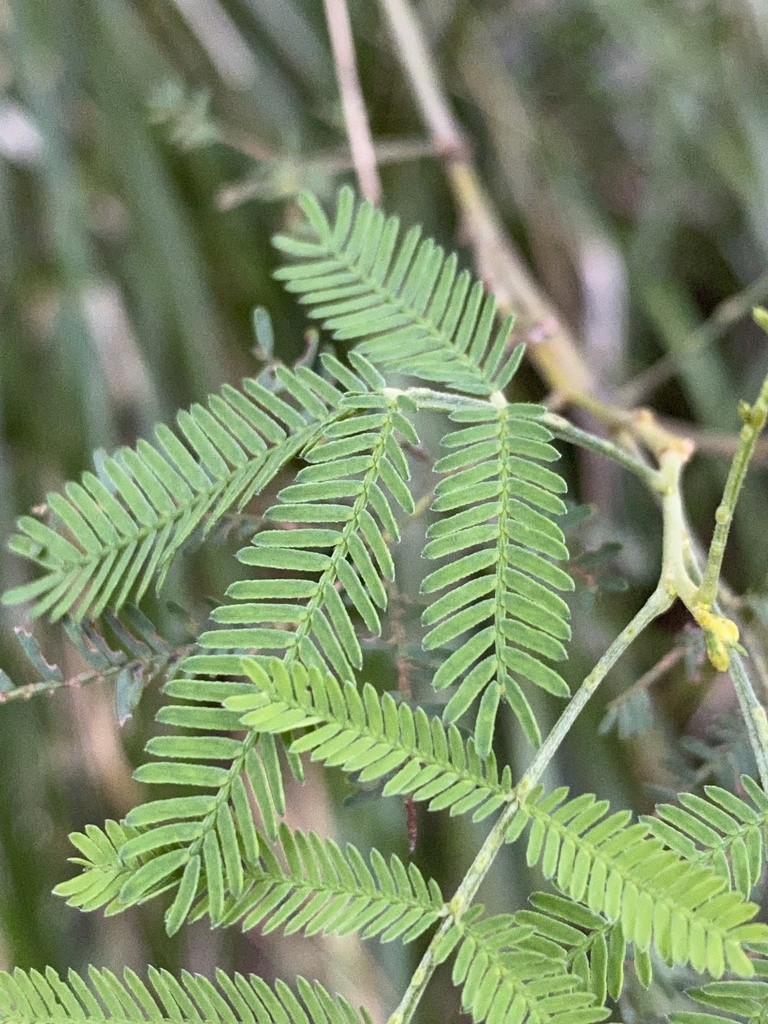
After three months following this routine—with gritty soil and only one light spring feed—I started seeing dense new shoots and tiny flower buds at last.
Here’s the kicker: this plant is sensitive to change. One day of overwatering or a cloudy week without sun meant yellowing leaves fast. It’s not as tough as it looks! If you think Acacias are desert superheroes who shrug off mistakes—you’ll be surprised how quickly they react.
What No One Tells You About Pest Protection
Acacias attract aphids and scale insects fast—especially if stressed by wrong watering or poor light conditions. Once I caught aphids too late; leaves curled badly with sticky residue overnight.
Instead of harsh chemicals, I used insecticidal soap diluted exactly as per instructions (not stronger—that only stresses the plant). Then rinsed leaves gently but thoroughly and repeated treatment twice weekly for three weeks.
The plant bounced back fully without damage—a gentle fix most people overlook but works wonders if caught early.
If you prefer natural options, ladybugs love munching aphids and can be introduced outside safely—just another trick worth trying!
Frost Is Your Plant’s Silent Killer
Temperatures below 40°F (4°C) cause young Acacias to shut down internally long before visible wilting appears. Once, leaving mine outside during an unexpected cold snap cost half its leaves overnight.
Now I move mine inside or under cover when nights approach freezing—even if days remain warm—and trust me, it makes all the difference.
What I'd Tell a Friend Starting Out With Acacia
Forget micromanaging with constant watering and feeding—that’s how most people kill these plants faster than neglect does. Instead:
- Soil: Use fast-draining mix like 60% potting soil + 40% coarse sand + perlite.
- Light: Give at least 6 hours of direct sun daily (south-facing window or outdoors).
- Water: Only water when top 2 inches of soil feel dry; use your finger or moisture meter.
- Fertilizer: Feed once early spring with balanced 10-10-10 fertilizer; no extras.
- Pruning: Cut back lightly right after flowering fades.
- Cold protection: Bring indoors when nights drop near freezing (40°F/4°C).
- Pests: Check weekly for aphids/scale; treat ASAP with insecticidal soap or introduce ladybugs outdoors.
Acacias aren’t beginner plants in the usual sense—they demand respect for their quirks and patience while they recover from your mistakes (and believe me, mistakes happen!). But once you get these basics down, watching your scraggly experiment become a thriving shrub feels like winning a secret gardening challenge few ever talk about. For more on the diversity you might encounter, see different species of Acacia plants and their characteristics.
Quick Checklist To Fix Your Struggling Acacia Today
- Soil check: Is soil heavy or still soggy days after watering? Repot using 60% potting soil + 40% coarse sand + perlite.
- Light check: Move near south-facing window or outside where it gets minimum 6 hours direct sun.
- Watering routine: Water only when top 2 inches dry; mark calendar reminders if needed.
- Fertilizer timing: Feed once in early spring with balanced formula; avoid extra feedings.
- Prune timing: Cut back lightly right after flowering fades.
- Pest inspection: Look weekly for aphids/scale; treat quickly with diluted insecticidal soap or ladybugs outdoors.
- Frost protection: Move indoors when temps approach 40°F (4°C).
A Final Thought
Growing Acacia is less about perfect conditions and more about learning quickly from missteps no one talks openly about—and adapting smartly as you go along.
Have you noticed your Acacia showing any of these signs yet? Don’t be discouraged if it looks sad at first—that’s normal! With patience and these tweaks, you’ll soon see fresh shoots unfurling and maybe even those golden blooms everyone loves—a win totally worth those initial headaches.
Trust me—I almost gave up on mine twice before persistence paid off in ways no generic guide ever prepared me for. Now? It’s hands down one of my favorite plants to care for—even on tricky city balconies like mine!


